How To Buy Bank Of China Stock (3988)
How to buy, sell or trade Bank of China 3988 stocks and shares.
Steps To Buying Or Selling Bank of China Stocks and Shares
- Decide how you want to buy, sell or trade Bank of China 3988 stocks and shares.
Do you want to to trade in Bank of China CFD Stocks, Fractional Bank of China shares or traditional Bank of China Stocks. - Register with an Bank of China 3988 broker that suits your needs. Register with multiple to see which you prefer.
- Research Bank of China financial reports. Use brokerage research tools and resources.
- Decide your budget for Bank of China stock and how many Bank of China 3988 shares you want to buy.
- Buy or Sell your Bank of China shares with your broker by placing an order.
The content on a page is not intended for the residents and users in the USA.

Buy or Sell Bank of China (3988) Stock for 2.78 HKD
Bank of China (3988) in Detail
The highest price Bank of China stock has been at in the last year is 3.45 HKD and its lowest price the last year was 2.51 HKD.
Looking to buy or sell Bank of China shares? You have options! Consider the following brokers based on your preferred type of trading:
- eToro: This broker offers commission-free stock trading in the UK and Europe, making it a great choice for buying shares. Plus, with eToro, clients can buy fractional shares (where available).
- XTB: If you're interested in trading Bank of China CFDs, XTB is a good option to consider.
Keep in mind that eToro offers some unique benefits for buying Bank of China shares. For example, clients can buy the underlying stock with zero commission and trade with leverage. Additionally, eToro allows for fractional shares and has a minimum trade of $10 and a minimum deposit in the UK of $50. These perks make eToro one of the cheapest places to buy stocks like Bank of China, especially for small investors.
| Broker |
IC Markets

|
Roboforex

|
eToro

|
XTB
|
XM

|
Pepperstone

|
|---|---|---|---|---|---|---|
| Rating | ||||||
| Used By | 200,000+ | 730,000+ | 40,000,000+ | 2,000,000+ | 15,000,000+ | 830,000+ |
| Share Dealing |
USA stocks : UK shares : CFD trading : |
USA stocks : UK shares : CFD trading : |
USA stocks : UK shares : CFD trading : |
USA stocks : UK shares : CFD trading : |
USA stocks : UK shares : CFD trading : |
USA stocks : UK shares : CFD trading : |
When trading Bank of China stock CFDs, it's important to understand the risks involved. While there is potential for profits, there is also a high risk of losing money. Losses can sometimes exceed deposits, so it's crucial to proceed cautiously. CFDs (Contract for Difference) are complex instruments that use leverage to amplify gains and losses based on up or down Bank of China price. No real Bank of China stock assets are exchanged with Bank of China CFD trading. Even small fluctuations in the stock's price can lead to significant profits or losses. Up to 80% of retail investor accounts are estimated to lose money when trading CFDs. If you're considering trading Bank of China stock CFDs, it's essential to assess your risk tolerance and financial situation carefully. Ensure you fully understand how CFDs work and the potential risks involved before investing any money. If you're unsure about any aspect of CFD trading, consider seeking advice from a financial professional. Remember, while there is potential for profits, there is also a real possibility of losing your investment. Scroll down to read our in-depth article on How To Buy Bank Of China Stock. What you should know, Types of Bank of China stock trading. Pros and Cons, everything is explained below.
How To Buy Or Sell Bank of China 3988 Stocks & Shares
You can purchase Bank of China shares directly through a brokerage account or one of the various investment applications available. These systems allow you to buy, trade, and keep Bank of China stocks from your home or smartphone. The primary distinctions between different Bank of China stock trading brokers are primarily in fees and resources supplied. Many of the best Bank of China stock trading platforms offer zero commission trading. Ensure you only buy Bank of China stock with a well-financially regulated Bank of China stock broker. It would be best if you also spent some time conducting quantitative research (analyse the revenue of Bank of China, their net income and earnings) and qualitative research (find out what the Bank of China management is like, the competition they face, and how they make money).
Choosing An Bank of China Stock Broker
When choosing a Bank of China stock broker, make sure you consider the variety of exchanges that the broker offers through which to buy and sell individual Bank of China stocks and securities, the commissions and fees charged by the broker for conducting trading in Bank of China, and what margin rates the broker offers. You will also need to check that you can open a brokerage account with the broker considering your citizenship status.
Several brokers can be extremely expensive for certain types of citizens if they wish to buy Bank of China shares once in a while, whereas other brokers offer their services for free. Not every broker you find online will allow you to buy shares of Bank of China; this is because they do not have access to the all stock exchanges like NASDAQ, S&P, FTSE and others.
You will need a 3988 stock broker that provides you with access to 3988 stock exchanges. In addition, you should consider the types of research, educational materials, and account types the online broker offers to help you meet your 3988 stock investing goals.
If you are hoping to invest in fulfilling long-term goals, such as a child's college education or your retirement, you may want to buy 3988 through a tax-advantaged account, such as an individual retirement account (IRA), 529 or pension. On the other hand, if you require money for larger short-term purposes, such as investment property, a taxable investment account may be a more suitable choice.
Finally, consider the broker's reputation and safety features, which are highly important when buying and selling 3988 related financial instruments. Choose a broker with good reviews, or one trusted and regulated by a financial regulator.
Full Service Bank of China Stock Broker
Full-service Bank of China stock brokers personalise their recommendations and charge extra fees, service fees, and commissions. Because of the research and tools that these companies give, most investors are ready to pay these higher costs.
Bank of China Discount Broker
With a Bank of China stock discount broker, the investor is responsible for the majority of their own Bank of China 3988 research. The broker only provides a trading platform and customer support when necessary.
Steps to Trading Bank of China 3988 Stocks & Shares
How To Buy Sell Or Trade Bank of China Stock Guide
How to buy Bank of China Stocks & Shares Risks Trading Bank of China 3988
Investing in Bank of China stocks can be risky, as there is always a potential for your investment not to perform as expected, resulting in lower returns or even loss of your original investment. Risk is increased, especially for leveraged trades on Bank of China stock, which can result in losses exceeding your initial deposit.
Before investing in Bank of China, it is important to conduct proper research on the company and its stock price history. Stocks are exposed to credit risk and fluctuations in the value of their investment portfolio, which can be influenced by factors such as Bank of China credit deterioration, liquidity, political risk, financial results, interest rate fluctuations, market and economic conditions, and sovereign risk.
To mitigate some of these risks, it is recommended to review the documents that Bank of China is required to file regularly, such as the annual reports (Form 10-K) and quarterly reports (Form 10-Q), which disclose detailed financial information. Monitoring your investments by following your established investment strategy and reviewing your Bank of China position is also important.
If you plan on holding Bank of China shares for the long term, attending the Bank of China company's annual meeting and analyzing any news and information about the company can help you make informed decisions regarding your investment.
Bank of China 3988 Trading Fees
Investors looking to trade Bank of China stocks may be interested in taking advantage of current promotional offers from certain stock brokers. These Bank of China stock brokers may offer low or no trading fees and may not require an account minimum. It's important to note that these offers can vary between brokers offering various Bank of China financial instruments and may be subject to specific terms and conditions.
For example, eToro is currently offering commission-free Bank of China stock trading for new users who sign up for a trading account. It's always a good idea to carefully review promotional offers and their terms before investing in Bank of China stock or any other financial instrument.
How much does it cost to buy or sell Bank of China 3988 Stock
At the time of writing 3988 is worth 2.78 HKD per share.
How can I buy or sell Bank of China 3988 Stock
If you want to buy or sell Bank of China shares, you have two options available: placing a 3988 market order or a 3988 limit order. A 3988 market order is executed immediately at the prevailing market price, while a 3988 limit order allows you to specify the maximum price you are willing to pay.
Deciding how many Bank of China shares to buy can be a challenging task, and will depend on various factors such as your Bank of China investment strategy and budget. It is important to carefully consider these factors before placing a live Bank of China stock order.
Trade Real Bank of China Shares
Buying real Bank of China shares means you are buy a 100% of each single Bank of China 3988 share you buy. When you buy a real Bank of China stock you own the Bank of China stock in your name as an underlying asset. You will have to make sure your trading account has adequete funding to for your Bank of China stock bid price.
When you purchase a share of stock in Bank of China, you are effectively becoming a part owner of that company. Depending on the volume of Bank of China shares you own it may entitle you to certain benefits offered by Bank of China. Some companies may choose to pay dividends to shareholders or reinvest income in order to expand further.
Trade Bank of China Fractional Shares
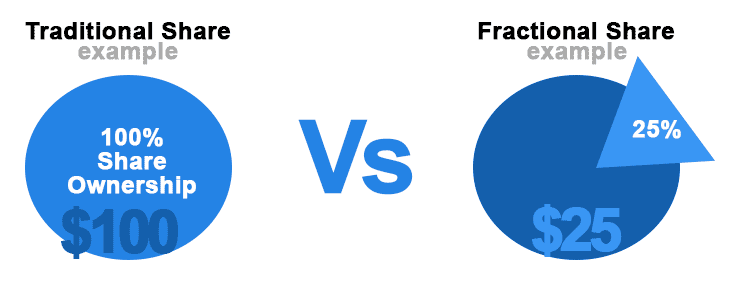
When you buy real Bank of China shares, you become a direct owner of the underlying asset. Trading real Bank of China stock means that you own 100% of each Bank of China 3988 share that you purchase, and it is held in your name. To buy the shares, you will need adequate funds in your trading account to cover the stock's bid price.
Owning a share of Bank of China stock means you become a part-owner of the company. Depending on the number of shares you own, you may be entitled to certain benefits offered by Bank of China. For example, some companies like Bank of China may pay shareholders dividends to share profits, while others may reinvest income to expand their business further.
Pros and Cons of Investing in Bank of China Fractional Shares
When considering investing in Bank of China, fractional shares offer both advantages and disadvantages to investors.
Disadvantages of Bank of China Fractional Shares
One potential disadvantage of buying Bank of China fractional shares is that they can be more difficult to sell. Bank of China fractional shares can only be sold within the same brokerage account they were purchased from, and demand for them may not always be high. Additionally, fractional shares come in various increments, which may make it harder to find a buyer for a specific fraction of Bank of China stock.
Advantages of Bank of China Fractional Shares
On the other hand, fractional shares offer investors increased control over their portfolios. By allowing investors to buy a portion of a stock based on a dollar amount rather than a whole share, fractional shares enable investors to diversify their portfolio even with small amounts of money. Affordability can help investors achieve the balance of different stocks, including Bank of China and create a more diversified portfolio.
Fractional shares also offer the advantage of proportionate dividends. If you own a percentage of a Bank of China share, you will receive a proportionate percentage of the dividends paid by the company. Finally, some brokers allow investors to start investing in Bank of China with as little as $5 when using a fractional share investing strategy.
Additionally, fractional shares can also help investors to invest in high-priced stocks such as Bank of China, which may otherwise be unaffordable. Fractional Bank of China shares allow investors to benefit from these stocks' growth potential without committing to buying a full share. Fractional shares also provide flexibility, as investors can purchase or sell any amount they wish without being restricted to whole numbers of shares. Bank of China, stock accessibility enables investors to fine-tune their portfolios and make smaller adjustments without committing to buying or selling whole shares.
Considerations When Investing in Bank of China Fractional Shares
While Bank of China, fractional shares can offer several advantages to investors, it's important to understand the potential downsides of trading Bank of China as fractional shares as well. In addition to the difficulty in selling Bank of China fractional shares, some brokers may charge higher fees for Bank of China fractional share transactions, which could eat into your investment returns. Furthermore, fractional shares may not always be available for certain stocks, including Bank of China, so checking with your broker before investing is important. Additionally, it's important to ensure that your broker is reputable and has a strong track record of providing reliable services to Bank of China stock investors.
You can buy Bank of China fractional shares with eToro. Your capital is at risk.
Buy Sell or Trade Bank of China CFD Shares
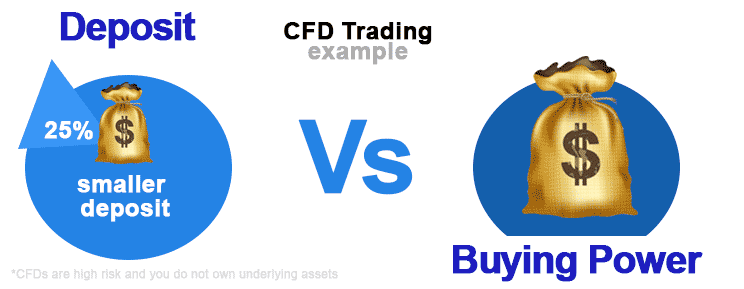
CFDs, or contracts for difference, are financial instruments that allow Bank of China traders to speculate on the price movements of various markets, including Bank of China stocks, Forex, indices, and commodities. Unlike traditional investments, CFDs do not require ownership of the underlying Bank of China stock asset but instead offer traders the opportunity to profit from the price movements of these assets without physically owning them. With CFD trading, you can trade on Bank of China share prices without buying or owning 3988 stock. However, it is important to note that CFDs are complex investment products with a high level of risk, as there is a potential for unlimited losses if Bank of China stock price positions go wrong. Despite this risk, CFD trading can be advantageous for traders with a short-term outlook, enabling them to speculate on Bank of China asset prices by going either long (buying) or short (selling).
Bank of China CFD Trading vs Traditional Share Dealing
What is CFD trading, and why would you buy Bank of China as a CFD instead of a share? Let's explore the differences between the two methods of trading.
CFD trading, or contracts for difference, allows traders to speculate on the price movements of financial markets, including stocks, forex, indices, and commodities, without owning the underlying assets. When trading CFDs, traders have an agreement with their CFD broker and are speculating that the Bank of China price will change up or down.
In contrast, when buying Bank of China shares with a stock broker, you own a share of Bank of China. If you bought 100 Bank of China shares at 2.78 HKD a share with a stock broker, you would own 300 HKD of Bank of China.
The main difference between trading Bank of China CFDs and buying Bank of China shares is that contracts for difference offer increased leverage. Bank of China CFDs are traded on margin, meaning you do not need to invest the full amount on Bank of China upfront. Instead, you could invest a fraction of the amount on Bank of China, known as the CFD margin, to hold a similar position in Bank of China. Trading an Bank of China CFD allows investors to hold larger positions than their invested amount. However, be aware that investing in an Bank of China CFD amplifies potential profits but also exaggerates potential losses, which may exceed the amount invested.
Investing in an Bank of China share with a stock broker means you would only lose the amount you invested, as you pay the total cost of your position to your broker upfront. There is no leverage.
CFD trading enables traders to profit from both upward and downward price movements of Bank of China on the financial exchange. A long CFD position hopes to profit from a rise in the Bank of China share price, while a short Bank of China CFD position aims to profit from a fall in the Bank of China share price. Trading Bank of China CFDs allows traders to move with the financial markets in both directions, giving them greater chances to profit.
It's important to note that Bank of China CFDs are complex investment products and present a high risk to any trader. There is an ever-present threat of very high losses for Bank of China positions that go wrong. If you are a trader with a short-term outlook, buying Bank of China as a CFD can be advantageous. However, it's crucial to thoroughly research and understand the risks involved before engaging in Bank of China CFD trading.
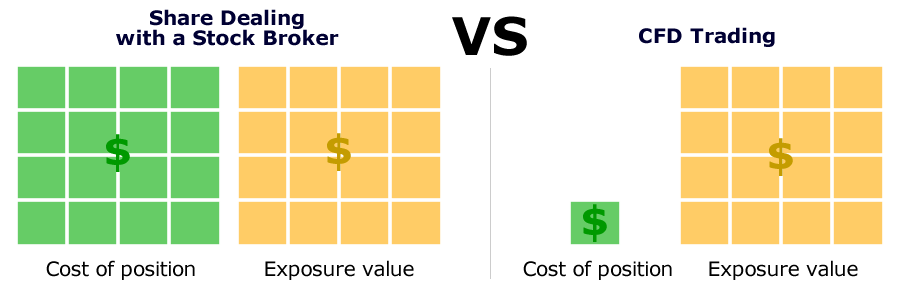
If you invested in an Bank of China share with a stock broker you would only lose the amount you invested as you pay the total cost of your position to your broker upfront. There is no leverage.
An Bank of China CFD long hopes to profit from a rise in the Bank of China share price. An Bank of China CFD short would aim to profit from a fall in the Bank of China stock price. Trading CFDs allows traders to profit from both directions of the Bank of China price on the financial exchange. Giving traders a greater chance to move with the financial markets.With traditional Bank of China shares you can only profit from a rise in the Bank of China stock price. You can trade Bank of China CFD stocks and tradional stocks with eToro or XTB. Your capital is at risk.
Trading Bank of China Stocks and CFDs
If you're considering investing in Bank of China It's important to know your options. You can choose to buy or sell traditional Bank of China shares through one of our listed brokers, or you can trade Bank of China using CFDs (contracts for difference).
It's worth taking the time to understand the difference between these two investment options. When buying Bank of China shares with a broker, you own a physical share of the company and can profit if the value of the stock goes up. However, buying shares also involves paying the full cost of the share upfront.
On the other hand, CFD trading offers a way to speculate on the value of Bank of China without actually owning the shares. CFDs are traded on margin, meaning you can hold a position with only a fraction of the total value, which offers increased leverage compared to buying shares outright.
Trading Bank of China CFDs can be advantageous for traders with a short-term outlook as it enables you to speculate on the Bank of China price of the asset by going long (buying) or going short (selling). However, it's important to note that CFDs are complex investment products and present a high risk to traders, as potential losses can exceed the initial Bank of China investment.
In summary, whether you choose to buy traditional Bank of China shares or trade Bank of China using CFDs depends on your investment goals, risk tolerance, and trading strategy. Understanding the benefits and risks of each Bank of China trading option can help you make an informed decision about which approach is right for you.
Example Cost of Buying Bank of China as a CFD Trade and Shares Side by Side
*All values below are estimates and are for illustrative purposes only. Please visit a broker for correct prices. Your capital is at risk.
CFD and Share deals differ from broker to broker so check you are aware of the actual costs with your brokers.
| Bank of China stock examples | Bank of China CFD trade example | Bank of China Share deal example |
|---|---|---|
| Market price | $2.78 | $2.78 |
| Broker Deal | Invest $0.556 at 1:5 Margin (20%) | Buy at $2.78 a share |
| Deal size | 100 shares | 100 shares |
| Initial outlay | $55.6 (Margin = exposure x 20% margin factor) |
$278 (100 shares at $2.78) |
| Stamp duty | No | £20 |
| Close price | Sell at $3.336 | Sell at $3.336 |
| Estimated Profit |
(0.556 point increase x 100 shares = $55.6) *Not including commission fees and taxes |
($333.6 - $278 = $55.6) *Not including commission fees and taxes |
| Trade Bank of China CFDs now with XTB | Trade Bank of China Shares now with eToro |
Your capital is at risk. Other fees apply.
Bank of China CFD and Stock Market Times
Trading traditional Bank of China shares is limited to the hours when the HKEX (The Hong Kong Stock Exchange) stock exchange is open, which is typically 9:30am to 12:00pm and 1:00pm to 4:00pm GMT+8 on trading days. This means that you can only buy or sell shares through your broker during these hours. However, with CFD trading, you can deal 24/7, allowing you to trade Bank of China shares around the clock.
Buying or Selling Bank of China Shares with a Broker
When you buy Bank of China shares through a broker, your risk is limited to your initial investment, as brokers require you to pay for the full amount of your investment upfront. Unlike CFD trading, brokers do not offer leverage or loans when buying Bank of China shares, meaning that your risk is limited to the initial amount invested. Additionally, buying Bank of China shares through a broker can make you eligible to receive company dividends if applicable. However, owning shares in Bank of China through a CFD does not provide shareholder privileges, as you do not actually own any underlying assets in Bank of China.
Another benefit of buying Bank of China shares through a broker is the possibility of receiving shareholder perks and benefits, such as voting rights at Bank of China shareholder general meetings. However, eligibility for these benefits may require you to own a certain amount of stock for a set period.
Bank of China Shares and CFDs and Tax
It is important to confirm with your local tax office, but in the United Kingdom, CFDs are free from capital gains and stamp duty taxes. Additionally, when trading CFDs, losses can be offset against profits when submitting your tax return. In contrast, investment in Bank of China stocks and shares is only exempt from tax if the shares were bought through an ISA (Individual Savings Accounts) or SIPP (Self Invested Personal Pensions).
Should I trade Bank of China Stocks and Shares or Bank of China CFDs?
There are pros and cons to both trading in Bank of China stocks and shares and trading Bank of China CFDs. The decision on which to choose depends on the individual investor and a few factors. For long-term investments, buying Bank of China shares and stocks is typically better suited, as they historically provide better returns over a 10-year period. In contrast, Bank of China CFD trading is more appropriate for intra-day and mid-term traders, who aim to profit on the fluctuating highs and lows of the Bank of China price throughout the day or a few days.
Bank of China CFD trading is more suited to intra day and mid term traders. Wth intra day trading on an Bank of China share investors aim to profit on the fluctuating highs and lows of the Bank of China price throughout the day. Day trading as you can imagine focuses on profiting from the daily Bank of China stock price change.
Both types of Bank of China trading have different benefits and risks. Make sure you have a good understanding of what you are doing before you invest in Bank of China stocks.
With CFD trading as you can short or long an Bank of China stock you can hedge a trade against another trade.
A hedge is an investment that protects the money you have invested from risk. Traders hedge to minimize or offset a loss in value of an Bank of China share price for example to a known amount.
How Bank of China 3988 Fits In Your Portfolio
If you are considering investing in Bank of China stock, assessing the level of exposure it would give you to the company is essential. Investing a large percentage of your portfolio in a single stock can be risky, especially if the company's performance deteriorates. Furthermore, it is crucial to understand the benefits of diversification that come with investing in various equities, including stocks, bonds, funds, and alternative assets, if you are new to investing in Bank of China or any financial market, it is advisable to develop a well-diversified portfolio.
Before investing in Bank of China or other financial markets, ensure that you have an emergency fund that can cover at least three months of costs and have paid off any high-interest debt. It is also essential to remember that even the most successful stock stories, like Bank of China, can turn sour. Consumer preferences can change, and competition can emerge, challenging the company's success.
Therefore, it is wise to focus on investing in the market rather than only picking individual stocks like Bank of China. This approach has proven to be a successful long-term strategy. Lastly, it is important to remember that past performance does not always indicate future Bank of China stock price performance. Seeking guidance from a financial expert before making significant changes to your portfolio or investing in Bank of China is always a good idea.
Is Bank of China A Buy Or Sell
Bank of China total volume in the stock market refers to the number of shares, contracts, or lots traded on a given day. This Bank of China volume is comprised of buying volume and selling volume.
The buying volume of Bank of China refers to the cumulative amount of shares, contracts, or lots associated with purchasing trades, whereas selling volume refers to the total amount of shares, contracts, or lots associated with selling trades. The buying and selling volumes can provide investors with insights into the market demand and supply for Bank of China, which can help make informed investment decisions.
When deciding to invest in Bank of China stock, it is crucial to conduct appropriate research and analysis to determine whether the stock's price will rise in the short or long term. Investors should not base their decision solely on the Bank of China stock's past performance but evaluate the company's financial health, Bank of China management team, industry trends, and other relevant factors.
If an investor feels confident that the price of Bank of China stock will increase, they may choose to buy the stock. However, it's important to note that the right time to buy Bank of China stock may vary depending on the investor's strategy and investment goals. Some investors may hold the Bank of China stock for a long time, while others may prefer to sell Bank of China once they've made a profit.
Is Bank of China Over or Under Valued?
One way to assess the valuation of Bank of China stock is to use the P/E ratio. The profit-earning ratio is found by dividing Bank of China stock price per share by per Bank of China share earnings. A profit earning ratio that is high suggests that the stock may be overvalued, while a low P/E ratio may be undervalued. Before investing in Bank of China stock, it is advisable to analyze its P/E ratio, which can provide valuable insights into the stock's current market valuation.
A Bank of China stock may be considered overvalued if its current market price does not match its P/E ratio or forecast on earnings. For example, if Bank of China stock price is 50 times higher than its earnings, it is likely to be an overvalued stock compared to one that is trading for 10 times its earnings. Other factors to consider when deciding whether Bank of China stock is over or undervalued is the change in 3988 fundamentals, the amount of free cash flow that Bank of China has, and their price to book ratio. Bank of China has a P/E ratio of 3.55.
Bank of China 3988 Financials 2026
Founded in 1983, Bank of China has a 52 week high price of 3.45 and a 52 week low price of 2.51. Bank of China has a marketcap of 1 and an average trading volume of 253,197,700. Bank of China has 83,622,276,395 shares on the HKEX (The Hong Kong Stock Exchange). Bank of China has a P/E ratio of 3.55 and a EPS of 0.78.
Bank of China Stock P/E Ratio
The (PE) ratio helps in understand the Bank of China stock value compared to Bank of China earnings. A Bank of China high (PE) ratio shows that a stock's price is higher than its earnings and may be overvalued. A Bank of China low (PE), on the other hand, may imply that the present stock price is cheap compared to earnings.
To simplify, you can estimate how much the market may pay for Bank of China stock based on previous and prospective Bank of China earnings.
When looking at Bank of China, its current share price of (2.78) divided by its per-share earnings (EPS 0.78) over a period of 12 months results in a 0.78 (trailing price / earnings ratio) of approximately 3.55. Meanin Bank of China shares are trading at 3.55 times the recent declared 3.55 earnings.
Investors in Bank of China often use the P/E ratio to determine the company's market value relative to its earnings. A high P/E ratio may suggest that Bank of China is overvalued as the stock price exceeds the earnings. On the other hand, a low Bank of China P/E ratio may indicate that the current Bank of China stock price is cheaper than the Bank of China earnings, which could be an opportunity for Bank of China investors to buy. For comparison, the trailing 12-month P/E ratio for the NASDAQ 100 was around 23.72 at the end 2022.
Bank of China Trading Volume and PE
Bank of China currently has 83,622,276,395 active shares in circulation traded through the HKG exchange.
Bank of China market capitalization is $1 with an average daily trading volume of 253,197,700 shares.
Trading volume is the amount of security traded over a certain duration. Regarding shares, volume refers to the number of shares bought and sold during a given day.
Bank of China has a Price Earning Ratio ( PE ) of 3.55 and earning per share ( EPS ) of 0.78. Generally speaking, Bank of China having a high P/E ratio means that Bank of China investors foresee increased growth with Bank of China in the future. Companies that are losing money do not have a P/E ratio.
Bank of China earnings per share is company profit allocated to every Bank of China common stock. Earnings per share are calculated by taking the difference between Bank of China's net earnings and dividends paid for preferred stock and dividing that amount by the average amount of Bank of China shares outstanding.
Whats A Good Bank of China P/E Ratio?
The P/E ratio for Bank of China is not necessarily classified as "good" based solely on a high or low ratio. In fact, a higher Bank of China P/E ratio than the market average could be considered unfavourable, while a lower Bank of China P/E ratio may be positive.
Typically, average P/E ratio on financial markets ranges around 20 to 25. Therefore, a higher P/E ratio above this range with Bank of China could be unfavourable, indicating that investors are willing to pay a premium for Bank of China shares despite Bank of China earnings. In contrast, a lower Bank of China P/E ratio may be better, suggesting that the current Bank of China stock price is more aligned with its earnings, making Bank of China shares more attractive to potential investors.
Bank of China EPS (Earnings Per Share)
Investors are always looking for ways to measure the value of a stock. One widely used indicator is earnings per share (EPS), which measures a company's profitability. Bank of China stock price is often evaluated using EPS as it is an indicator for the profit Bank of China each share of its stock makes in potential profit. This information is useful for Bank of China investors because they are willing to pay more for a Bank of China share if they believe that Bank of China is earning more than the stock price.
Currently, Bank of China has an EPS value of 0.78. This information indicates how much profit Bank of China has made for each share of its stock. EPS is a critical metric for investors as it helps them evaluate the company's financial health and potential for growth.
Bank of China Investors also look for EPS growth rates to indicate the future potential of Bank of China. An Bank of China EPS growth rate of at least 25% over the previous year indicates that a Bank of China products or services are in high demand. If the Bank of China EPS growth rate has been increasing in recent quarters and years. It's even better. The increased EPS trend indicates that Bank of China is on a path to greater profitability and could provide a good return on investment.
Bank of China PEG Ratio
The Bank of China PEG ratio, or Bank of China (price / earnings to growth) ratio, is a measure that helps Bank of China investors value the Bank of China business by taking into consideration the Bank of China stock market price, earnings, and future growth potential of Bank of China as a business. The Bank of China PEG ratio can show if Bank of China stock is potentially over or under market value.
Bank of China share price/earnings-to-growth ratio is computed by dividing its P/E ratio by its growth. A PEG ratio greater than one indicates that shares are overvalued at their current growth rate or that they may predict a faster growth rate.
The PEG ratio, rather just the P/E ratio, provides a more comprehensive picture of Bank of China's potential profitability. It could also assist you in comparing the share prices of different high-growth firms by accounting for growth.
Bank of China Trading Volume
Bank of China stock trading volume can assist an investor in determining the strength of Bank of China stock price momentum and confirming a trend. Bank of China stock prices tend to move in the same direction as Bank of China trade volume increases. If a Bank of China stock price continues to rise in an uptrend, Bank of China stock trading volume should rise, and vice versa.
Bank of China has a trading volume of 253,197,700
The sentiment driving Bank of China stock price movement is measured by Bank of China trading volume. It informs you of the number of persons involved in the Bank of China stock price movement. When Bank of China stock trades on low volume, it signifies that only a small number of people are involved in Bank of China stock buying and selling transactions. The market interest in Bank of China stock can be measured by its trading volume.
Bank of China Stock Price Volatility
The Bank of China stock price has fluctuated in value during the last year, ranging from 2.51 HKD to 3.45 HKD. The larger the range between the 52 week low and 52 week high price is a prominent metric for determining its volatility.
Investing In Bank of China Stocks
After selecting your preferred Bank of China stock broker, opening an account, and funding it, you are now ready to start investing in Bank of China stocks. You can do this by accessing the stock through your trading app or web browser, then indicating the number of shares or the amount you wish to invest with fractional shares. Additionally, you must select the type of order you prefer, such as market or limit order, then execute the trade.
If you desire greater control over your money and Bank of China shares, using a limit order is advisable. This type of order allows you to specify the price you wish to pay for Bank of China stock, while market orders execute automatically at prevailing Bank of China prices. Limit orders could benefit thinly traded securities with large bid-ask spreads since executing Bank of China market orders might increase prices.
To ensure that you get the best price possible, you can request to buy 3988 stock at the current best price on your brokerage platform or use a more advanced Bank of China order type like limit or stop orders. These will help you purchase or sell Bank of China shares once the stock price falls below a specified threshold. Investing in Bank of China stocks requires patience and knowledge, but the potential rewards can be substantial.
Bank of China is traded on the HKEX (The Hong Kong Stock Exchange) exchange meaning that it can be bought or sold between the HKEX (The Hong Kong Stock Exchange) trading hours which are 9:30am to 12:00pm and 1:00pm to 4:00pm GMT+8.
You can access this service through your online Bank of China brokerage. The HKEX (The Hong Kong Stock Exchange) pre-market trading hours terms are 9:00am to 9:30am GMT+8, and after-hours trading conditions are 12:00am to 1:00am GMT+8. If you place an Bank of China stock order outside of available HKEX (The Hong Kong Stock Exchange) trading hours it will be processed once HKEX (The Hong Kong Stock Exchange) trading resumes.
Why Bank of China Stocks Fluctuate
In the world of finance, the law of supply and demand has a significant impact on the Bank of China stock market. The simple concept is that when the demand for Bank of China stock exceeds its supply, its price tends to increase. On the other hand, when there is an excess supply of Bank of China stock that surpasses demand, the 3988 stock price typically goes down.
The severity of the demand-supply gap has a direct correlation with the Bank of China stock price, with a more significant gap resulting in a higher price for Bank of China stock. Consequently, when the number of Bank of China stocks available for sale is less than the number of people wanting to buy them, the price of Bank of China stock tends to rise.
Conversely, when there are more Bank of China stocks than buyers, the Bank of China stock price tends to fall. The Bank of China stock price constantly fluctuates based on the number of buyers versus the available supply of Bank of China stocks.
In addition to supply and demand, innovative and revenue-generating products or services released by Bank of China can also impact the valuation of 3988 stock. Keeping an eye on such developments could provide insights into the future performance of Bank of China stock and help investors make informed decisions.
Bank of China Stock Market Capitalisation
The market capitalisation of a Bank of China stock is a critical metric in finance. It is calculated by multiplying the total number of outstanding shares of Bank of China stock by its current market price. For instance, if a company has one million outstanding shares priced at $50 per share, the market cap of that company would be $50 million. It's worth noting that Bank of China has a market cap of 1.
Knowing the market cap of Bank of China enables investors to analyse the company in the context of other similar-sized companies in the same industry. The Bank of China market cap is considered more meaningful than the share price because it considers company's total value. For example, a small-cap firm with a market cap of $500 million should not be compared to a large-cap corporation with a market value of $10 billion. Therefore, understanding the market cap of Bank of China can provide valuable insights for investors making informed investment decisions.
Bank of China Stock Volume Explained
The Bank of China stock's trading volume is the total number of shares bought and sold within a specified period, usually one trading day. It measures the overall market activity and liquidity of Bank of China shares. However, remember that the same Bank of China shares can be traded multiple times a day, so the trading volume counts each transaction.
The higher the volume of Bank of China stocks traded, the more active the market is for that stock. It is usually viewed as a sign of financial strength when an increasing trading volume accompanies a rising market. On the other hand, low trading volume can indicate a lack of market interest in Bank of China.
Volume is a crucial indicator of the money flow in Bank of China stock. When Bank of China stock appreciates on high volume, it shows that more investors are buying the stock, which is usually a good sign to invest in. However, if Bank of China stock is appreciating on low volume, it could be a sign of weak market interest, and investing in it may not be wise. Therefore, paying attention to the trading volume of Bank of China stock can help investors make more informed decisions about buying, selling, or holding Bank of China shares.
Bank of China Stock Splits
It is important to understand that the value of a company and the price of its Bank of China stock are not necessarily the same thing. Simply looking at the Bank of China share price does not provide a complete picture of its worth.
To truly determine whether a Bank of China stock is overvalued or undervalued, investors should consider the relationship between its price-to-earnings ratio and net assets. Additionally, while some companies may artificially inflate their Bank of China stock prices by avoiding stock splits, this does not necessarily reflect the true underlying value of the company. Therefore, it is important not to base investment decisions solely on Bank of China stock pricing.
Bank of China Dividends Explained
Bank of China offers its shareholders a portion of the company's earnings, known as Bank of China dividends. Investing in Bank of China dividend stocks means investing in companies that pay regular dividends over time, providing a consistent source of passive income that can be beneficial during retirement.
However, Bank of China investors should not solely rely on a company's dividend payments to make Bank of China investment decisions. Sometimes companies may increase their dividend payouts to attract more Bank of China investors, even when the company's financial stability is in question. Therefore, it's crucial to consider the financial health of Bank of China, including factors such as earnings, assets, and liabilities, when making Bank of China investment decisions.
Bank of China Stock Value Vs Bank of China Stock Price
The difference between the value and price of Bank of China stock is significant and crucial to understand. The price of a stock is simply the current market value at which it trades between a buyer and a seller. However, the intrinsic value of Bank of China is the actual worth of the company in dollars, which is often determined by factors such as its assets, liabilities, earnings, and growth prospects.
While Bank of China price is essential for traders looking to buy and sell 3988, the value of Bank of China is more critical for investors who seek to hold onto the stock for an extended period. Understanding the intrinsic value of 3988 helps investors determine whether it is overvalued, undervalued, or fairly valued. A high stock price may not necessarily mean that Bank of China is an excellent investment if its underlying fundamentals do not justify the price.
How Many Bank of China Stocks Should I Own
While there is no definitive answer to how many Bank of China stocks an investor should own, diversification is crucial in minimizing risk. Diversifying your portfolio across various asset classes, sectors, and regions can help mitigate losses due to fluctuations in Bank of China stock prices and optimize returns. The number of Bank of China stocks to hold in a portfolio will vary depending on individual preferences, investment objectives, and risk tolerance levels. A general rule of thumb is to own at least 20 to 30 stocks across diverse sectors and industries to ensure adequate diversification, which may or may not include Bank of China stock. However, the specific number may differ based on the Bank of China investor's financial situation and investment strategy.
Selling Bank of China Stocks & Shares
When to sell Bank of China stocks are just as important as when to buy them. While some investors opt for a "buy high, sell low" approach by selling when the market falls, savvy Bank of China investors have a personalized plan based on their financial goals. It's important not to panic during market downturns such as Bank of China corrections or crashes. These events are usually temporary, and historical trends suggest that the market may eventually recover. Instead of selling your Bank of China assets, it's often wise to ride out the downturn and wait for them to increase over the long term.
Bank of China Stock For Retirement
Stock market investments have historically provided much higher returns than savings accounts, making them the favoured method for increasing your retirement savings. Some stocks are more volatile than others, so if you want to buy a specific stock like Bank of China as part of your retirement portfolio, you must research its long-term volatility. Stocks can provide tax-advantaged growth for your investment funds, but you can choose whether you want a tax cut now or later. Investing in any stock like Bank of China as a retirement strategy in a long-term investment strategy. At least over 10 years.
Bank of China Stock Order Types
To become an informed investor in Bank of China stocks, understanding the different types of stock orders and their appropriate usage is crucial. Here are the primary Bank of China stock orders you should know before buying or selling on live financial markets.
Bank of China Stock Market order
A Bank of China market order instructs the broker to purchase or sell a stock at the current best price available on the market. This order guarantees execution almost immediately but doesn't guarantee a specific price. It is the most efficient order type for executing Bank of China trades when speed is the main priority.
Advantages of a Bank of China Market Order
The most significant benefit of a Bank of China market order is its ability to let an investor enter the market at any time without waiting for order fulfilment. This order has a high chance of being executed as long as buyers and sellers are in the market. It is an effective way to make fast trades.
Disadvantages of a Bank of China Market Order
The biggest drawback of a Bank of China market order is that it cannot specify the stock's price. If the stock price moves too fast, the trade could be executed at a price far from the intended amount. High volatility or low liquidity of Bank of China stock can affect the order's outcome.
Bank of China Stock Limit order
Bank of China Limit Orders: What You Need to Know
Limit orders traders use to buy or sell a stock at a specific price or better. For example, a Bank of China stock buy limit order executes only lower than or at the set Bank of China order price. The Bank of China sell limit order executes on limit order price or above. It's important to note that a Bank of China limit order is not guaranteed to execute, and it will only be filled if the market reaches the trader's specified price.
A Bank of China stock limit order is especially useful when trading in a thinly traded market, a highly volatile market, or a market with a wide Bank of China bid-ask spread. In such markets, Bank of China stock prices can move quickly, and a limit order helps to ensure that the trader's order is executed at a specific price or better.
Advantages of a Bank of China Limit Order
A Bank of China limit order is an effective way to ensure that the trader receives the desired price for their Bank of China stock. It is also beneficial when the market is thinly traded or highly volatile and the Bank of China bid-ask spread is wide. The order helps traders wait for their desired price and execute the trade on their terms.
Disadvantages of a Bank of China Limit Order
The biggest disadvantage of a Bank of China limit order is that the order may not execute. Limit orders may not execute if the Bank of China stock never reaches the set limit price or if insufficient demand or supply exists to fill the order. It is more likely to occur for small and illiquid stocks than Bank of China stock.
Bank of China Stock Stop Order
Bank of China Stop Orders: Minimizing Risk in the Stock Market
Bank of China stop orders, also known as stop-loss orders, are instructions given to brokers to purchase or sell Bank of China stock once the Bank of China price is at a specific threshold. The stop order changes to a live Bank of China market order, and the trade is executed.
Advantages of a Bank of China Stop Order
The main advantage of using a stop order when purchasing or selling Bank of China stock is that it provides you with the ability to enter or exit your Bank of China stock trades at a future stop price which you can set. The primary benefit of a stop-limit order on your Bank of China stock is that you can control the price at which the 3988 order can be executed. Investors should use a stop order to limit a loss on their Bank of China stock or to protect a profit that they have sold short.
Disadvantages of a Bank of China Stop Order
One of the most significant disadvantages of a Bank of China stop order is that it does not guarantee the trade will be executed at the stop price. When the Bank of China stop price is reached, the stop order becomes a market order, meaning the trade is executed at the current Bank of China market price. The trade may be executed at a price significantly different from the Bank of China stop price. Another disadvantage of stop orders is that they can be triggered by short-term market fluctuations or temporary Bank of China price movements, resulting in an unnecessary trade execution and a potential loss for the Bank of China trader. Therefore, it is important to set Bank of China stop prices carefully and to monitor the market closely to avoid unnecessary trade executions.
Bank of China Stock Buy Or Sell Stop Order
Understanding Buy and Sell Stop Orders for Bank of China Stock
A buy-stop order for Bank of China stock is an order that is placed at a price above the current market price. Using stop orders is a technique that investors often use to limit losses or protect profits on a stock they have sold short. In simpler terms, it is an order placed by a trader to buy Bank of China stock at a certain price in the future.
On the other hand, a sell-stop order for Bank of China stock is an order placed at a price below the current market price. Traders use stop orders to minimize potential losses on a stock they own. A sell-stop order is also the price level set by a trader when they wish to sell Bank of China assets in the future.
Both buy and sell-stop orders are essential tools that traders use to protect their investments and limit potential losses. Understanding how they work and when to use them to make informed investment decisions is important.
Monitor Your Bank of China Stock Portfolio
It is crucial to periodically review your Bank of China investment portfolio and its performance. Once you have bought your Bank of China stock alongside other suitable investments, you can use stock tracking apps to follow its progress over time.
Investors can assess the performance of their Bank of China stock by analyzing its annual percentage return. This evaluation enables them to compare their Bank of China investment's growth with other investments and determine their performance over time. Additionally, investors can revisit the earlier fundamental data to analyze how the Bank of China stock has developed. Investors can compare their findings on Bank of China stocks to other stocks or benchmarks like the S&P 500 and NASDAQ Index to gain more perspective on their investment. These tools allow investors to make informed decisions and optimize their Bank of China stock in their investment portfolio.
Investors can gain insight into the performance of their Bank of China investment by analyzing various benchmarks that reflect specific industries or the market as a whole. By doing so, investors can determine how well their Bank of China investment performs relative to the broader market. Additionally, investors can participate in Bank of China annual meetings to learn about any important news or upcoming developments related to the company. This approach is especially beneficial for investors who intend to hold Bank of China shares for an extended period. By staying informed about the company's progress and strategy, investors can make informed decisions and adjust their Bank of China investment strategy accordingly.
Investors who plan to sell their Bank of China stock shortly after observing a price increase may utilize various position management tools to maximize their profits or minimize their losses. For example, investors can set a target price at which they aim to sell their Bank of China share for financial gain or employ a limit order, to manage risk with Bank of China stocks. Such risk management tools allow Bank of China investors to make informed decisions and manage their Bank of China positions effectively.
Below, you will find a list of Bank of China brokers that meet your requirements. Our team has compiled a comprehensive comparison table that summarizes all relevant Bank of China brokerage data to assist you in making an informed decision. This table will provide a clear overview of the options, enabling you to select the most suitable Bank of China broker that aligns with your investment objectives.Scroll down.
Bank of China Financial Details
Financial Details
| Bank of China Stock symbol | 3988 |
|---|---|
| Bank of China Sector and Industry | Financial Banking Services |
| Bank of China Exchange | HKG |
| Current Bank of China Stock Price (*delayed) | $2.78 |
| Stock Open Price | $2.82 |
| 52 Week High | $3.45 |
| 52 Week Low | $2.51 |
| Bank of China Market Capitalisation | 1 |
| Bank of China Average Volume | 253,197,700 |
| Bank of China PE | 3.55 |
| Bank of China EPS | 0.78 |
| Stock Currency | USD |
Overview of Bank of China
Bank of China is an American Financial Banking Services company currently traded on the HKG.
Bank of China trades under the stock symbol 3988 on the HKG.
Bank of China shares are exchanged in USD on the HKG.
Bank of China has a current share price of $2.78 USD dated 31/01/2020.
The highest Bank of China share price over the last 52 weeks was $3.45 USD and its lowest price over the last 52 weeks was $2.51 USD. That is a 52 week price range of $2.51 - $3.45.
Bank of China Information
Bank of China Location & Information
| Bank of China Employees | 309,084 |
|---|---|
| Year Founded | 1983 |
| Bank of China IPO | |
| Bank of China Head Quarters | No. 1 Fuxingmennei Avenue, Xicheng District, BEIJING, BEIJING, 100818 CN |
| Bank of China Industry | Financial - Banking Services |
| Website URL | http://www.boc.cn |
Bank of China Executives and Board Members
| CEO | Mr. Liange Liu |
Compare Brokers: Bank of China Shares and CFDs
Our table below lets you compare the features offered by brokers who trade Bank of China shares and CFDs.
Compare the Bank of China fees, commissions, and other essential aspects that may affect your Bank of China trading experience with our easy-to-use table.
Make informed decisions on your trading strategies by comparing the various brokers' platforms and features.
- Minimum deposit requirement to open an account with each Bank of China stock brokerage, helping you plan your initial investment.
- A comprehensive list of funding methods available with each Bank of China stock broker, making it easier to deposit and withdraw funds according to your preferences.
- Details on the range of trading instruments available with each Bank of China stock broker, including stocks, CFDs, and any other assets you can trade.
- Comparison of the trading platforms provided by each Bank of China stock broker, such as web-based platforms, mobile apps, and downloadable software.
- Information on the spreads offered by each Bank of China stock brokerage, whether they offer fixed spreads, variable spreads or both.
- An overview of the customer support channels provided by each Bank of China stock broker, including email, phone, live chat, and other support options.
- We provide details on the types of trading accounts offered by each Bank of China stock brokerage, including Micro, Standard, VIP, and Islamic accounts. Multiple account options makes choosing the account type that suits your Bank of China trading needs and preferences easier.
How To Buy Bank Of China Stock Or Sell With A Broker
When it comes to trading in the financial markets, Bank of China stock is a popular option. However, trading this stock can be challenging, even for seasoned traders. Therefore, it's essential to consider various factors to enhance your chances of success, and one such factor is the trading platform offered by a Bank of China stock broker.
To trade Bank of China stock, you'll need to choose a broker that provides a reliable, secure, and user-friendly Bank of China trading platform. A good trading platform can help you analyze Bank of China market data, execute trades quickly and accurately, and manage your portfolio efficiently. Therefore, selecting a Bank of China stock broker with a well-tested and well-known trading platform is crucial.
It's also advisable to choose a Bank of China stock broker that is considered an industry leader. Such Bank of China stock brokers often have extensive experience in the financial markets, and they provide access to valuable trading tools, educational resources, and Bank of China research data that can enhance your trading skills and knowledge. By partnering with a reputable Bank of China stock broker, you can gain access to the financial markets with confidence.
6 Factors to Consider when Choosing Bank of China Stock Brokers
Follow these rules for selecting a Bank of China stock broker that's right for you:
Are Your Bank of China Brokers Trusted And Established?
When investing in Bank of China stocks and shares. You should pick a Bank of China stock broker that has a good track record and longevity. The best rated Bank of China broker is IC Markets. Established in 2007, and in operation for 19 years IC Markets have a head office in Australia.
IC Markets is regulated. This means IC Markets are supervised by and is checked for conduct by International Capital Markets Pty Ltd (Australia) (ASIC) Australian Securities & Investments Commission Licence No. 335692, Seychelles Financial Services Authority (FSA) (SD018), IC Markets (EU) Ltd (CySEC) Cyprus Securities and Exchange Commission with License No. 362/18, Capital Markets Authority(CMA) Kenya IC Markets (KE) Ltd, Securities Commission of The Bahamas (SCB) IC Markets (Bahamas) Ltd regulatory bodies.
Another best-rated broker is Roboforex.
Roboforex was established 2009, and in operation for 17 years Roboforex have a head office in Belize.
Roboforex is regulated. This means Roboforex are supervised by and is checked for conduct by International Capital Markets Pty Ltd (Australia) (ASIC) Australian Securities & Investments Commission Licence No. 335692, Seychelles Financial Services Authority (FSA) (SD018), IC Markets (EU) Ltd (CySEC) Cyprus Securities and Exchange Commission with License No. 362/18, Capital Markets Authority(CMA) Kenya IC Markets (KE) Ltd, Securities Commission of The Bahamas (SCB) IC Markets (Bahamas) Ltd regulatory bodies.
| Broker |
IC Markets
|
Roboforex
|
eToro
|
XTB
|
XM
|
Pepperstone
|
|---|---|---|---|---|---|---|
| Year Established | 2007 | 2009 | 2007 | 2002 | 2009 | 2010 |
| Head Office | Australia | Belize | Cyprus, UK | Poland | Cyprus | Australia |
| Regulation | International Capital Markets Pty Ltd (Australia) (ASIC) Australian Securities & Investments Commission Licence No. 335692, Seychelles Financial Services Authority (FSA) (SD018), IC Markets (EU) Ltd (CySEC) Cyprus Securities and Exchange Commission with License No. 362/18, Capital Markets Authority(CMA) Kenya IC Markets (KE) Ltd, Securities Commission of The Bahamas (SCB) IC Markets (Bahamas) Ltd | RoboForex Ltd is authorised and regulated by the Financial Services Commission (FSC) of Belize under licence No. 000138/32, under the Securities Industry Act 2021, RoboForex Ltd is an (A category) member of The Financial Commission, also RoboForex Ltd is a participant of the Financial Commission Compensation Fund | FCA (Financial Conduct Authority) eToro (UK) Ltd (FCA reference 583263), eToro (Europe) Ltd CySEC (Cyprus Securities Exchange Commission), ASIC (Australian Securities and Investments Commission) eToro AUS Capital Limited ASIC license 491139, CySec (Cyprus Securities and Exchange Commission under the license 109/10), FSAS (Financial Services Authority Seychelles) eToro (Seychelles) Ltd license SD076, eToro (ME) Limited (ADGM) Abu Dhabi (UAE) number 220073, eToro (Europe) Ltd (AMF) Autorité des marchés financiers as a digital assets provider France | FCA (Financial Conduct Authority reference 522157) XTB Limited, CySEC (Cyprus Securities and Exchange Commission reference 169/12), DFSA (Dubai Financial Services Authority XTB MENA Limited licensed 8 July 2021), FSA (Financial Services Authority Seychelles license number SD148), FSCA (Financial Sector Conduct Authority XTB Africa (Pty) Ltd licensed 10 August 2021), KNF (Komisja Nadzoru Finansowego Polish Financial Supervision Authority) | Financial Sector Conduct Authority (FSCA) (49976) XM ZA (Pty) Ltd, Financial Services Commission (FSC) (000261/27) XM Global Limited, Cyprus Securities and Exchange Commission (CySEC) (license 120/10) Trading Point of Financial Instruments Ltd, Australian Securities and Investments Commission (ASIC) (number 443670) Trading Point of Financial Instruments Pty Ltd | Financial Conduct Authority (FCA), Australian Securities and Investments Commission (ASIC), Cyprus Securities and Exchange Commission (CySEC), Federal Financial Supervisory Authority (BaFin), Dubai Financial Services Authority (DFSA), Capital Markets Authority of Kenya (CMA), Pepperstone Markets Limited is incorporated in The Bahamas (number 177174 B), Licensed by the Securities Commission of The Bahamas (SCB) number SIA-F217 |
| Used By | 200,000+ | 730,000+ | 40,000,000+ | 2,000,000+ | 15,000,000+ | 830,000+ |
| Negative balance protection | Yes | Yes | Yes | Yes | Yes | Yes |
| Guaranteed Stop Loss | No | No | No | No | No | Yes |
| Learn More | Visit IC Markets | Visit Roboforex | Visit eToro | Visit XTB | Visit XM | Visit Pepperstone |
| Risk Warning | Losses can exceed deposits | Losses can exceed deposits | 50% of retail investor accounts lose money when trading CFDs with this provider. | 70% - 80% of retail investor accounts lose money when trading CFDs with this provider. You should consider whether you understand how CFDs work and whether you can afford to take the high risk of losing your money. | CFDs are complex instruments and come with a high risk of losing money rapidly due to leverage. 74.48% of retail investor accounts lose money when trading CFDs with this provider. You should consider whether you understand how CFDs work and whether you can afford to take the high risk of losing your money. | 72-95 % of retail investor accounts lose money when trading CFDs |
Are The Bank of China Stock Brokers The Best in the World?
If you're looking for a Bank of China stock broker that is recognized as a leader in the financial industry and is committed to innovation, IC Markets should be at the top of your list. Not only does this broker offer a wide range of over 2250 instruments, including Bank of China stock and other financial instruments, but they also have a reputation for being at the forefront of innovation in the industry.
IC Markets provides both online and mobile trading platforms, allowing clients looking to invest in stocks like Bank of China, to access the markets easily and quickly. Bank of China can also be traded with brokers that support several popular third-party trading platforms, providing access to global markets where Bank of China can be traded with expert advisors or customized automated trading strategies.
Innovation is a core value for IC Markets , and they are continually looking for ways to improve and maintain their competitive advantage in the industry. By choosing this broker, you can trust that you're partnering with a world leader in the financial industry committed to delivering cutting-edge technology and exceptional services to its clients.
Another good choice when looking to invest in Bank of China is Roboforex. Roboforex Segregates clients funds and offers over 12000 instruments.
| Broker |
IC Markets
|
Roboforex
|
eToro
|
XTB
|
XM
|
Pepperstone
|
|---|---|---|---|---|---|---|
| Instruments Available | 2250 | 12000 | 7000 | 10900 | 1464 | 2700 |
| Platforms | MT5, MT4, MetaTrader WebTrader, Mobile Apps, iOS (App Store), Android (Google Play), MetaTrader iPhone/iPad, MetaTrader Android Google Play, MetaTrader Mac, cTrader, cTrader Web, cTrader iPhone/iPad, cTrader iMac, cTrader Android Google Play, cTrader Automate, cTrader Copy Trading, TradingView, Virtual Private Server, Trading Servers, MT4 Advanced Trading Tools, IC Insights, Trading Central | MT4, MT5, R Mobile Trader, R StocksTrader, WebTrader, Mobile Apps, iOS (App Store), Android (Google Play), Windows | eToro Trading App, Mobile Apps, iOS (App Store), Android (Google Play), CopyTrading, Web | MT4, Mirror Trader, Web Trader, Tablet, Mobile Apps, iOS (App Store), Android (Google Play) | MT5, MT5 WebTrader, XM Apple App for iPhone, XM App for Android Google Play, Tablet: MT5 for iPad, MT5 for Android Google Play, XM App for iPad, XM App for iOS (App Store), Android (Google Play), Mobile Apps | MT4, MT5, cTrader,WebTrader, TradingView, Windows, Mobile Apps, iOS (App Store), Android (Google Play) |
| Excluded Countries | US, IR, CA, NZ, JP | AU, BE, BQ, BR, CA, CW, CZ, DE, ES, EE, EU, FM, FR, FI, GW, ID, IR, JP, LR, MP, NL, PF, PL, RU, SE, SJ, SS, SL, SI, TL, TR, DO, US, IT, AT, PT, BG, HR, CY, DK, FL, GR, IE, LV, LT, MT, RO, SK, CH | ZA, ID, IR, KP, BE, CA, JP, SY, TR, IL, BY, AL, MD, MK, RS, GN, CD, SD, SA, ZW, ET, GH, TZ, LY, UG, ZM, BW, RW, TN, SO, NA, TG, SL, LR, GM, DJ, CI, PK, BN, TW, WS, NP, SG, VI, TM, TJ, UZ, LK, TT, HT, MM, BT, MH, MV, MG, MK, KZ, GD, FJ, PT, BB, BM, BS, AG, AI, AW, AX, LB, SV, PY, HN, GT, PR, NI, VG, AN, CN, BZ, DZ, MY, KH, PH, VN, EG, MN, MO, UA, JO, KR, AO, BR, HR, GL, IS, IM, JM, FM, MC, NG, SI, | US, AU, CA, JP, KR, KP, SG, MU, IL, TR, IN, PK, BA, ET, UG, CU, SY, BD, NG, ID, BE, LY, MO, KE, YE, VU, GY, CD, CG, AF, LA, MZ, IQ, IR | US, CA, IL, IR | AF, AS, AQ, AM, AZ, BY, BE, BZ, BT, BA, BI, CM, CA, CF, TD, CG, CI, ER, GF, PF, GP, GU, GN, GW, GY, HT, VA, IR, IQ, JP, KZ, LB, LR, LY, ML, MQ, YT, MZ, MM, NZ, NI, KP, PS, PR, RE, KN, LC, VC, WS, SO, GS, KR, SS, SD, SR, SY, TJ, TN, TM, TC, US, VU, VG, EH, ES, YE, ZW, ET |
| Forex pairs offered | 65 | 40 | 65 | 69 | 55 | 93 |
| Forex pairs offered | 65 | 40 | 65 | 69 | 55 | 93 |
| Major forex pairs | Yes | Yes | Yes | Yes | Yes | Yes |
| Minor forex pairs | Yes | Yes | Yes | Yes | Yes | Yes |
| Exotic forex pairs | Yes | Yes | Yes | Yes | Yes | Yes |
| Cryptocurrencies | Yes | No | Yes | No | No | Yes |
| Commodities Offered | 28 | 100 | 67 | 27 | 8 | 40 |
| Metals | Yes | Yes | Yes | Yes | Yes | Yes |
| Energies | Yes | No | Yes | Yes | Yes | Yes |
| Agricultural | Yes | No | Yes | Yes | No | Yes |
| Stocks Offered | 2100 | 8484 | 7246 | 6617 | 1350 | 1100 |
| UK Shares | Yes | Yes | Yes | Yes | Yes | Yes |
| US Shares | Yes | Yes | Yes | Yes | Yes | Yes |
| German Shares | Yes | Yes | Yes | Yes | Yes | Yes |
| Japanese Shares | Yes | Yes | Yes | Yes | Yes | Yes |
Bank of China Stock Brokers Commissions and Fees?
Ensure that your Bank of China stock broker is transparent with fees and fees are competitive.
The best rated Bank of China broker IC Markets offers competitive offers for Forex, CFDs, Spread Betting, Share dealing, Cryptocurrencies. IC Markets minimum deposit is 200.
Another highly rated broker to invest in Bank of China, Roboforex offers Forex, CFDs. Roboforex minimum deposit is 10.
| Broker |
IC Markets
|
Roboforex
|
eToro
|
XTB
|
XM
|
Pepperstone
|
|---|---|---|---|---|---|---|
| Min Deposit | 200 | 10 | 50 | 0 | 5 | 0 |
| Withdrawl Fees | No | No | Yes | Yes | No | No |
| Inactivity Fees | No | No | Yes | Yes | Yes | No |
| Deposit Fees | No | No | No | No | No | No |
| CFD Commission Fees | Yes | No | Yes | Yes | No | Yes |
Find Bank of China Stock Brokers with Round-the-clock support?
When investing in Bank of China stocks and CFDs, it is crucial to consider the quality of customer service provided by the broker you choose. Bank of China brokers have varying support levels, that offer support when trading Bank of China stock, including installation, training, troubleshooting, upgrading, and cancellation of a product or service. Investing in Bank of China can be complex and challenging, so it's essential to have a reliable support team to assist you throughout the process.
When evaluating a Bank of China stock broker, you should look for a broker that offers a variety of customer support channels, including phone answering services, live chat support, and email customer service support. This way, you can choose the best support channel for you and get quick and helpful responses to your Bank of China trading platform queries or concerns.
IC Markets support a wide range of languages including English, Japanese, Chinese, Polish, Afrikans, Danish, Dutch, German and more
Roboforex support a wide range of languages including English, Chinese Simplified, Chinese Traditional, Indonesian, Malaysian, Portuguese, Spanish, Italian, Polish, Arabic, Thai, Russian, and Ukrainian
IC Markets and Roboforex offer support where clients are able to call or contact the helpdesk via email or a chat service.
| Broker |
IC Markets
|
Roboforex
|
eToro
|
XTB
|
XM
|
Pepperstone
|
|---|---|---|---|---|---|---|
| Support |
|
|
|
|
|
|
| Languages | English, Japanese, Chinese, Polish, Afrikans, Danish, Dutch, German and more | English, Chinese Simplified, Chinese Traditional, Indonesian, Malaysian, Portuguese, Spanish, Italian, Polish, Arabic, Thai, Russian, and Ukrainian | English, German, Spanish, French, Italian | English, Spanish, Czech, Chinese, German, French, Italian, Polish, Portuguese, Romanian, Slovenian, and Turkish | Arabic, Chinese, English, French, German, Greek, Hindi, Hungarian, Indonesian, Italian, Japanese, Korean, Malay, Polish, Portuguese, Russian, Spanish, Swedish, Thai, and Turkish | English, Spanish, Portuguese, Thai, Russian, Italian, French, German, Polish, Chinese, Vietnamese, and Arabic |
| Learn More | Visit IC Markets | Visit Roboforex | Visit eToro | Visit XTB | Visit XM | Visit Pepperstone |
| Risk Warning | Losses can exceed deposits | Losses can exceed deposits | 50% of retail investor accounts lose money when trading CFDs with this provider. | 70% - 80% of retail investor accounts lose money when trading CFDs with this provider. You should consider whether you understand how CFDs work and whether you can afford to take the high risk of losing your money. | CFDs are complex instruments and come with a high risk of losing money rapidly due to leverage. 74.48% of retail investor accounts lose money when trading CFDs with this provider. You should consider whether you understand how CFDs work and whether you can afford to take the high risk of losing your money. | 72-95 % of retail investor accounts lose money when trading CFDs |
Make sure your Bank of China Stock Broker Offers Comprehensive Trader resources?
Ensure that the broker you decide upon to trade Bank of China stocks or CFDs provides free tools such as evaluation, schooling and risk-management tools.
Having a wealth of knowledge from great analysts and brokers like IC Markets and Roboforex offer lots of resources to bring the latest news and insights to traders. Click through to the brokers to learn more.
Why do Bank of China Stock Brokers Need To Be Regulated?
A regulated broker when trading Bank of China stocks and CFDs lowers your risk.
Broker regulation protects consumers. Too little broker regulation can lead to poor services and possibly financial harm.
Bank of China brokers are regulated to stop fraud. The agent's working capital and clients funded account have to be separated. This amounts to fraud if client money is used to conduct the business. Regulation is required to make sure this does not happen.
How To Buy Bank Of China Stock Table of Contents
- Steps To Buying Or Selling Bank of China Stocks and Shares
- Buy Bank of China (3988) Stock for 2.78 HKD
- How To Buy or Sell Bank of China 3988 Stocks & Shares
- Steps to Trading Bank of China 3988 Stocks & Shares
- How To Buy Sell Or Trade Bank of China Stock Guide
- Bank of China 3988 Trading Fees
- How much does it cost to buy or sell Bank of China 3988 Stock
- How can I buy or sell Bank of China 3988 Stock
- Trade Real Bank of China Shares
- Trade Bank of China Fractional Shares
- Buy sell or trade Bank of China CFD Shares
- Trading Bank of China Stocks and CFDs
- Buying or selling Bank of China Shares with a Broker
- Bank of China Shares and CFDs Tax
- Should I trade Bank of China Stocks and Shares or Bank of China CFDs?
- How Bank of China 3988 Fits In Your Portfolio
- Is Bank of China A Buy Or Sell
- Is Bank of China Over or Under Valued?
- Bank of China 3988 Financials 2026
- Bank of China Stock P/E Ratio
- Bank of China Trading Volume and PE
- Bank of China Stock Price Volatility
- Investing In Bank of China Stocks
- Why Bank of China Stocks Fluctuate
- Bank of China Stock Market Capitalisation
- Bank of China Stock Volume Explained
- Bank of China Stock Splits
- Bank of China Dividends Explained
- Bank of China Stock Value Vs Bank of China Stock Price
- How Many Bank of China Stocks Should I Own
- Selling Bank of China Stocks & Shares
- Bank of China Stock For Retirement
- Bank of China Stock Order Types
- Monitor Your Bank of China Stock Portfolio
- Bank of China Financial Details
- Overview of Bank of China
- Bank of China Information
- How To Buy Bank Of China Stock Or Sell With A Broker
- 6 Factors to Consider when Choosing Bank of China Stock Brokers
- How To Buy Bank Of China Stock Frequently Asked Questions
- Brokers Reviews That You Can buy/sell Bank of China With
- Alternative Brokers That You Can buy/sell Bank of China With
- Bank of China (HKG) Related Guides
View All Brokers That Allow Trading in Bank of China
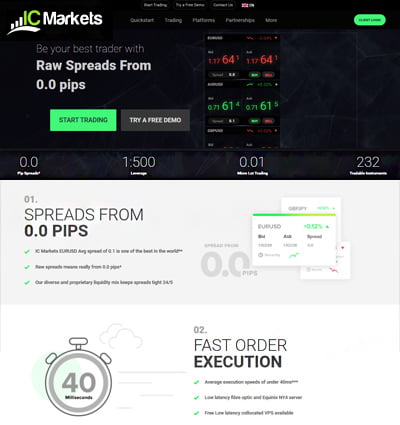
IC Markets
IC Markets offer Forex trading, CFDs trading, Spread Betting trading, Share dealing trading, and Cryptocurrencies trading, year established 2007, min deposit : 200
- Used by 200000+
- US stocks
- UK shares
- CFD shares
- PayPal payments
- Live Chat
- Phone
- Bank Transfer
- Credit Cards

Roboforex
Roboforex offer Forex trading, and CFDs trading, year established 2009, min deposit : 10
- Used by 730000+
- US stocks
- UK shares
- CFD shares
- PayPal payments
- Live Chat
- Phone
- Bank Transfer
- Credit Cards

eToro
eToro offer Social Trading trading, Stocks trading, Commodities trading, Indices trading, Forex (Currencies) trading, CFDs trading, Cryptocurrency trading, Exchange Traded Funds (ETF) trading, and Index Based Funds trading, year established 2007, min deposit : 50
- Used by 40000000+
- US stocks
- UK shares
- CFD shares
- PayPal payments
- Live Chat
- Phone
- Bank Transfer
- Credit Cards
 Visit XTB
XTB
XTB offer Forex trading, CFDs trading, and Cryptocurrency trading, year established 2002, min deposit : 0
- Used by 2000000+
- US stocks
- UK shares
- CFD shares
- PayPal payments
- Live Chat
- Phone
- Bank Transfer
- Credit Cards
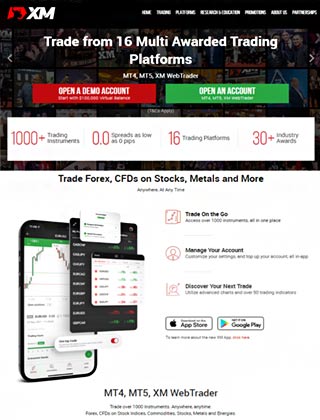 Visit XM
XM
XM offer Forex Trading trading, Stocks CFDs trading, Commodities CFDs trading, Equity Indices CFDs trading, Precious Metals CFDs trading, and Energies CFDs trading, year established 2009, min deposit : 5
- Used by 15000000+
- US stocks
- UK shares
- CFD shares
- PayPal payments
- Live Chat
- Phone
- Bank Transfer
- Credit Cards

Pepperstone
Pepperstone offer Forex trading, CFDs trading, and Social Trading trading, year established 2010, min deposit : 0
- Used by 830000+
- US stocks
- UK shares
- CFD shares
- PayPal payments
- Live Chat
- Phone
- Bank Transfer
- Credit Cards
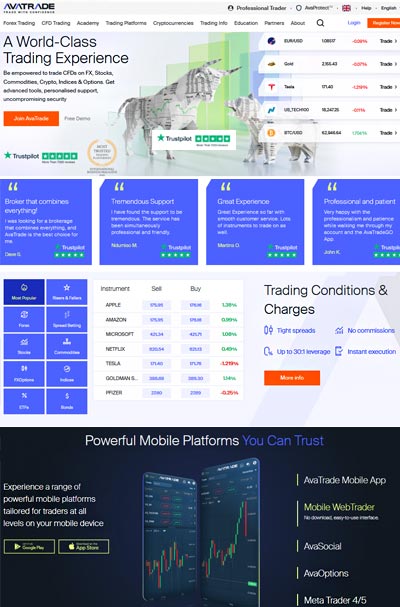
AvaTrade
AvaTrade offer Forex trading, Cryptocurrencies trading, Commodities trading, Indices trading, Stocks trading, Bonds trading, Vanilla Options trading, ETFs trading, CFDs trading, Spread Betting trading, and Social Trading trading, year established 2006, min deposit : 100
- Used by 400000+
- US stocks
- UK shares
- CFD shares
- PayPal payments
- Live Chat
- Phone
- Bank Transfer
- Credit Cards
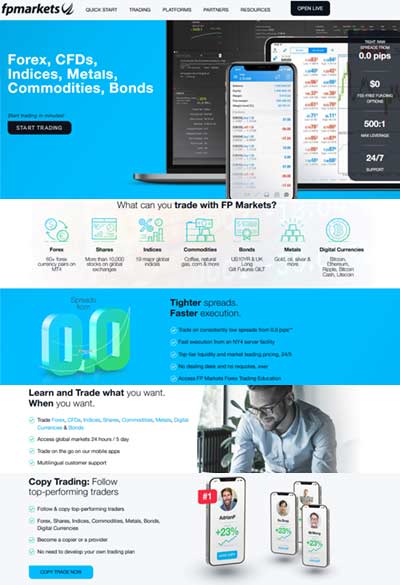
FP Markets
FP Markets offer Forex trading, CFDs trading, and Bonds trading, year established 2005, min deposit : 100
- Used by 200000+
- US stocks
- UK shares
- CFD shares
- PayPal payments
- Live Chat
- Phone
- Bank Transfer
- Credit Cards

easyMarkets
easyMarkets offer CFD trading, Forex trading, Commodities trading, Indices trading, Shares trading, and Crypto trading, year established 2001, min deposit : 25
- Used by 250000+
- US stocks
- UK shares
- CFD shares
- PayPal payments
- Live Chat
- Phone
- Bank Transfer
- Credit Cards

SpreadEx
SpreadEx offer Forex trading, CFDs trading, and and spread betting trading, year established 1999, min deposit : 0
- Used by 60000+
- US stocks
- UK shares
- CFD shares
- PayPal payments
- Live Chat
- Phone
- Bank Transfer
- Credit Cards
 Visit FxPro
FxPro
FxPro offer Forex trading trading, Share Dealing trading, Spot Indices trading, Futures trading, and Spot Metals and Spot Energies trading, year established 2006, min deposit : 100
- Used by 11200000+
- US stocks
- UK shares
- CFD shares
- PayPal payments
- Live Chat
- Phone
- Bank Transfer
- Credit Cards
Admiral Markets
Admiral Markets offer Forex trading, and CFDs trading, year established 2001, min deposit : 100
- Used by 30000+
- US stocks
- UK shares
- CFD shares
- PayPal payments
- Live Chat
- Phone
- Bank Transfer
- Credit Cards
 Visit ThinkMarkets
ThinkMarkets
ThinkMarkets offer Forex trading, and CFDs trading, year established 2010, min deposit : 250
- Used by 450000+
- US stocks
- UK shares
- CFD shares
- PayPal payments
- Live Chat
- Phone
- Bank Transfer
- Credit Cards
FXPrimus
FXPrimus offer Forex trading, and Social Trading trading, year established 2009, min deposit : 15
- Used by 5000000+
- US stocks
- UK shares
- CFD shares
- PayPal payments
- Live Chat
- Phone
- Bank Transfer
- Credit Cards
 Visit Trading 212
Trading 212
Trading 212 offer Stocks trading, Forex trading, Commodities trading, and Indices trading, year established 2004, min deposit : 1
- Used by 5000000+
- US stocks
- UK shares
- CFD shares
- PayPal payments
- Live Chat
- Phone
- Bank Transfer
- Credit Cards
 Visit Forex.com
Forex.com
Forex.com offer Forex trading, Indices trading, Commodities trading, Equities trading, and Cryptocurrencies trading, year established 1999, min deposit : 100
- Used by 454000+
- US stocks
- UK shares
- CFD shares
- PayPal payments
- Live Chat
- Phone
- Bank Transfer
- Credit Cards

Learn more
Losses can exceed deposits