Bitcoin Alternatives for 2026
We found 11 online brokers that are appropriate for Trading Bitcoin Alternative Crypto Brokers.
Bitcoin Alternatives Guide
Analysis by Andrew Blumer, Updated Last updated – October 28, 2026
Bitcoin Alternatives Compared
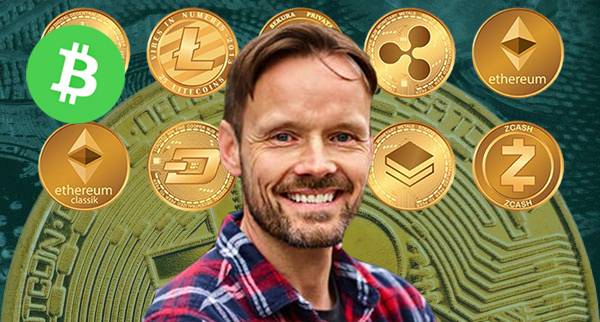
Over the years, I’ve personally experienced how cryptocurrencies continue to reshape finance, and while Bitcoin is still the headline name, it’s no longer the only focus for serious traders. Exploring alternatives has opened my eyes to how people including myself use them not just for speculation, but for real advantages like faster settlements, lower costs, and access to niche ecosystems. For example, earlier this year when Ethereum rallied again after the Dencun upgrade in March 2025 (which significantly reduced gas fees for layer-2 transactions), I shifted part of my holdings from Bitcoin into Ethereum to capitalize on both the hype and its practical smart contract utility, especially as ETH climbed past $4,000 for the first time since 2022.
In this guide, I’ll share my take on some of the most interesting Bitcoin alternatives, based on what I’ve observed and tested myself. I’ve used Litecoin for cheap, near-instant transfers when Bitcoin’s network fees spiked, and I remember being impressed when LTC pushed back above $90 in early 2025. I followed Solana closely after its resurgence in late 2024 when NFT marketplaces and DeFi apps flocked back to its chain watching SOL rebound from under $25 in 2023 to well over $150 by mid-2025. Ripple (XRP) also drew attention after its partial legal victory with the SEC, trading steadily in the $0.50 to $0.70 range while adoption for cross-border payments in Europe grew under MiCA regulations. Beyond those, Avalanche (AVAX) gained momentum when its subnets were adopted for DeFi scaling, helping its price recover to around $40, while Polkadot (DOT) hovered near $8 as developers continued launching parachains. Cardano (ADA) has been slower in price action holding around $0.40 but I’ve noticed meaningful adoption in African blockchain identity projects. And of course, stablecoins like USDC and USDT, always at $1, remain essential tools I rely on to park profits or hedge against volatility during turbulent swings. Personally, I weigh these choices by looking at price volatility, market sentiment, regulatory changes, and technology upgrades. Paying attention to these factors has helped me navigate opportunities beyond Bitcoin especially during moments when the market reacts sharply to ETF launches, network updates, or global regulatory decisions.
What I Mean by Bitcoin Alternatives
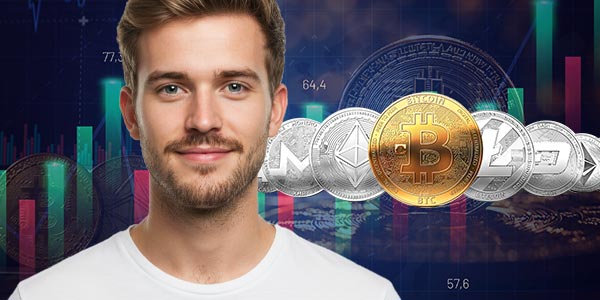
When I talk about Bitcoin alternatives, often called altcoins, I’m referring to cryptocurrencies developed as options beyond Bitcoin. While Bitcoin continues to dominate in terms of market capitalization and global recognition, altcoins offer unique functionalities, technological improvements, and specialized use cases that Bitcoin may not provide.
For example, certain altcoins aim to overcome Bitcoin’s limitations, such as slow transaction speeds or high energy consumption. Others introduce entirely new features, including smart contracts and decentralized applications (dApps), which expand the possibilities of what blockchain technology can achieve.
The altcoin market is vast and highly diverse, with thousands of options available. Yet, in my experience, only a select few have achieved widespread recognition and practical adoption. In this guide, I’ll focus on the most prominent Bitcoin alternatives that have established themselves as key players in the cryptocurrency ecosystem, providing both innovation and potential investment opportunities.
Top Bitcoin Alternatives

Ethereum (ETH)
In my personal experience, Ethereum has been the first cryptocurrency I used that truly felt different from Bitcoin. Launched in 2015 by Vitalik Buterin, Ethereum introduced smart contracts, which are self-executing agreements coded directly into the blockchain. Unlike Bitcoin, which mainly acts as a store of value, Ethereum is a platform for building decentralized applications (dApps), and I’ve actually interacted with apps built on it, like Uniswap and OpenSea.

I remember buying ETH back in early 2020 when it was around $200. Watching it rise past $4,000 in 2021 was exhilarating, though just like Bitcoin, the crash that followed tested my patience. As of August 20, 2025, Ethereum trades at about $4,214.11. The volatility reminds me of Bitcoin’s wild price swings, but what sets Ethereum apart is that it feels like I’m investing in a technology platform, not just a digital gold equivalent.
Ethereum Technology
Ethereum’s biggest strength, in my view, is that it’s more than just currency. I’ve seen it power dApps like decentralized finance platforms and NFT marketplaces, which makes it far more versatile than Bitcoin. Bitcoin is still king for value storage, but Ethereum’s flexibility makes it a favorite for developers and innovators.
Ethereum Scalability
Both Ethereum and Bitcoin have scalability issues, but Ethereum’s shift to Ethereum 2.0 and its Proof of Stake (PoS) model impressed me. Transactions became noticeably cheaper and faster compared to when I first used it in 2020. Unlike Bitcoin’s energy-hungry mining, staking ETH feels like a step toward a greener future.
Ethereum Market Position
Ethereum is the second largest cryptocurrency after Bitcoin, but the key difference I’ve noticed is that Ethereum isn’t just about holding value — it’s about building ecosystems. Whether it’s DeFi, NFTs, or gaming projects, Ethereum offers growth opportunities that Bitcoin doesn’t. Still, Bitcoin’s simplicity and reliability remain unmatched for people who just want a safe digital asset.
Ripple (XRP)
Ripple caught my eye early on because it solves a problem Bitcoin struggles with — international transfers. I’ve used XRP to send money across borders, and it was far quicker and cheaper than using Bitcoin or even my bank. Ripple, launched in 2012, focuses on fast, low-cost cross-border payments with XRP as a bridge currency.

I first bought XRP around $0.25 in 2020. Watching it spike to over $1.80 in 2021 was thrilling, but the SEC lawsuit that followed caused massive drops. As of August 20, 2025, XRP trades at about $2.89. Unlike Bitcoin, where volatility comes from market sentiment, Ripple’s price is heavily influenced by legal and regulatory news, which makes holding it more stressful.
Ripple Use Case
Bitcoin works well as a decentralized digital asset, but Ripple’s strength is in institutional payments. I see banks adopting Ripple’s system because it’s simply faster and cheaper than using Bitcoin for transactions.
Ripple Transaction Speed and Costs
From my own transfers, Ripple’s transactions settle in seconds, compared to Bitcoin’s 10-minute block times. Fees are also pennies, while Bitcoin fees can spike unpredictably. This makes XRP more practical for real-time payments.
Ripple Centralization
The downside for me is Ripple’s centralization. Unlike Bitcoin, which no one controls, Ripple Labs holds a big share of XRP. This gives it efficiency, but also risk, because its future depends more on a company’s decisions than a global community.
Litecoin (LTC)
Litecoin has been one of my go-to coins when I wanted a faster and simpler version of Bitcoin. Created in 2011 by Charlie Lee, Litecoin is often called “the silver to Bitcoin’s gold.” I’ve used it for smaller transactions because of its faster speeds and lower fees.

I bought some LTC at around $50 in 2020 and saw it rise close to $400 in 2021. As of August 20, 2025, it trades at about $114.91. It doesn’t have the hype of Bitcoin or Ethereum, but it’s steady and reliable, almost like a test network for Bitcoin innovations.
Litecoin Speed and Cost
Litecoin transactions take about 2.5 minutes per block, much quicker than Bitcoin’s 10 minutes. Fees are also much lower. I’ve personally found Litecoin more practical when sending small amounts compared to Bitcoin’s sometimes high fees.
Litecoin Algorithm
Litecoin uses the Scrypt algorithm, which makes mining more accessible. When I experimented with mining back in 2021, it was easier to try Litecoin than Bitcoin, which requires specialized and expensive hardware.
Litecoin Market Position
Litecoin isn’t as dominant as Bitcoin, but I’ve seen it act as a testing ground for upgrades like SegWit and the Lightning Network, which were later adopted by Bitcoin. That makes it valuable as a stepping stone in crypto development.
Cardano (ADA)
Cardano stood out to me because of its careful, research-driven approach. Launched in 2017 by Charles Hoskinson, a co-founder of Ethereum, it focuses on security, scalability, and peer-reviewed research. I bought ADA when it was under $0.10 in 2020, and watching it climb past $3 was one of my best investments.

As of August 20, 2025, ADA trades at about $0.85. Compared to Bitcoin’s straightforward store-of-value role, Cardano feels more like a scientific project aimed at building sustainable blockchain systems.
Cardano Consensus Mechanism
Cardano’s Proof of Stake (PoS) system is far more energy efficient than Bitcoin’s Proof of Work. This eco-friendly approach makes me feel better about holding it compared to Bitcoin’s heavy electricity use.
Cardano Development Approach
I’ve noticed that Cardano moves slowly compared to Bitcoin’s open-source updates, but its peer-reviewed model gives me confidence that when changes happen, they’re well thought out.
Cardano Use Cases
Bitcoin shines as a store of value, but Cardano aims to power dApps and smart contracts. This gives it more long-term potential, though adoption has been slower than Ethereum’s ecosystem.
Binance Coin (BNB)

BNB has been one of the most useful coins in my trading journey. Launched in 2017, it started on Ethereum but later moved to the Binance Smart Chain (BSC). I’ve personally used BNB to reduce trading fees on Binance, which saved me money compared to paying fees in Bitcoin.
From around $15 in early 2020, BNB shot up to $690 in 2021. Today, August 20, 2025, it trades at $833.31. Unlike Bitcoin, which stands independent, BNB’s value is tightly tied to Binance’s success — both a strength and a weakness.
BNB Use Case
BNB is a utility token for Binance services. I’ve used it for trading fee discounts, launchpad tokens, and even travel bookings. Unlike Bitcoin, which is mainly about holding value, BNB’s role is tied to practical platform use.
BNB Platform Dependency
The downside is its dependency on Binance. When Binance faces regulatory crackdowns, BNB’s price usually takes a hit. Bitcoin, in contrast, isn’t tied to a single company or exchange.
BNB Volatility
I’ve seen BNB’s price react sharply to news about Binance. This makes it more volatile compared to Bitcoin, whose value is influenced by global adoption rather than one company’s performance.
Solana (SOL)
Solana has been one of the most exciting projects I’ve followed since 2020. With its high-speed, low-cost blockchain, it promised to do what Bitcoin never could — handle thousands of transactions per second. I used Solana-based apps like Phantom Wallet and found the experience much smoother compared to Bitcoin transactions.

Solana’s price journey has been wild. I bought some at around $20 in 2021, watched it skyrocket to $260, then crash during outages and network issues. As of August 20, 2025, SOL trades at $180.91. Unlike Bitcoin, Solana’s risks often come from technical hiccups, not just market sentiment.
Solana Transaction Speed
Solana can process thousands of transactions per second, compared to Bitcoin’s seven. I’ve experienced lightning-fast trades on Solana-based platforms, something Bitcoin simply can’t match.
Solana Consensus Mechanism
Its hybrid of Proof of History (PoH) and Proof of Stake (PoS) allows for speed and efficiency that Bitcoin’s Proof of Work can’t deliver. But with speed comes network instability, which I experienced firsthand during downtime events.
Solana Adoption and Use Cases
Solana is focused on dApps, DeFi, and NFTs. I’ve seen developers rush to build on it for speed and cost benefits. Bitcoin, meanwhile, remains steady as a store of value, proving that each coin has a unique role in the crypto world.
Stablecoins Bitcoin Alternatives

Stablecoins, such as USDT and USDC, are cryptocurrencies with prices linked to a fiat currency like the US dollar. Unlike more volatile assets, stablecoins generally trade close to $1.00, providing a stable value and acting as a hedge against market fluctuations.
Stability Bitcoin Alternatives
Unlike Bitcoin, known for its price volatility, stablecoins maintain a near constant value, making them useful for transactions and storing value during turbulent market periods.
Bitcoin Alternatives Use Case
Stablecoins are primarily used for transferring value and hedging against volatility in the crypto market. Bitcoin, in contrast, is often treated as digital gold, serving as both a store of value and an investment asset.
Bitcoin Alternatives Backing
Most stablecoins are backed by fiat currencies or other assets, ensuring their stability. Bitcoin’s value, however, is determined by market demand and its limited supply of 21 million coins, which makes it inherently more volatile.
Bitcoin Alternatives Privacy Coins

Privacy coins such as Monero (XMR) and Zcash (ZEC) are designed with a strong emphasis on user anonymity and transaction privacy. Monero’s price has ranged from around $45 in early 2020 to over $470 in May 2021, and as of August 20, 2025, it trades approximately between $145 and $155. Zcash has experienced similar volatility, rising from $30 in 2020 to over $300 in 2021, and now trades near $35 to $40. Their niche focus and regulatory scrutiny contribute to higher volatility compared to Bitcoin.
Bitcoin Alternatives Privacy
Privacy coins provide enhanced anonymity compared to Bitcoin. While Bitcoin transactions are pseudonymous wallet addresses are visible on the blockchain but identities are hidden privacy coins like Monero and Zcash obscure transaction details, making them truly private.
Bitcoin Alternatives Regulatory Scrutiny
Due to their potential use in illicit activities, privacy coins face greater regulatory challenges. Bitcoin also undergoes scrutiny, but it has gained broader regulatory acceptance globally, giving it a more stable position in the market.
Bitcoin Alternatives Adoption
Bitcoin enjoys wider adoption and use cases, serving as a store of value, medium of exchange, and investment asset. Privacy coins remain more niche due to their specialized privacy features and regulatory considerations, appealing primarily to users who prioritize anonymity.
Why I Consider Bitcoin Alternatives

There are several reasons I look beyond Bitcoin and explore altcoins. While Bitcoin is the most established cryptocurrency, it has its limitations. The network often experiences slower transaction speeds and high energy consumption, especially as adoption continues to grow. As a trader, I’ve noticed how these issues affect price swings during times of high network congestion, fees can spike and eat into potential profits.
Faster Transactions and Efficiency

Many Bitcoin alternatives solve these issues by offering faster processing times, lower transaction fees, and more energy efficient consensus mechanisms. For example, when I was trading Solana during the NFT boom in 2021–2022, I experienced near instant transactions at a fraction of the cost compared to Bitcoin. More recently, with Ethereum’s transition to Proof of Stake (PoS), I’ve seen firsthand how energy use has dropped dramatically, making it a more sustainable option than Bitcoin’s Proof of Work (PoW) system.
Specialized Features
Altcoins often bring unique functionalities that expand beyond Bitcoin’s core capabilities. When I traded Ethereum, I wasn’t just buying a coin I was participating in an ecosystem of smart contracts and decentralized apps. Ripple caught my attention when banks started using it for cross border payments, making transactions that used to take days happen in seconds. Solana has been another interesting one for me, especially in the DeFi space, where speed and low costs are crucial. These features make specific altcoins attractive depending on whether I’m chasing short term trading opportunities or looking for long term utility.
Diversification and Risk Management
Another reason I consider Bitcoin alternatives is diversification. By spreading investments across multiple cryptocurrencies, I can mitigate risk. For instance, during the market correction in mid 2022, my Bitcoin position dropped significantly, but my exposure to Ethereum and Polygon, which had strong developer activity, helped balance losses. More recently, when Bitcoin faced volatility after the U.S. approved spot Bitcoin ETFs in early 2024, I found that holding altcoins gave me exposure to growth opportunities without being overly tied to Bitcoin’s price movements.
What I Consider When Choosing a Bitcoin Alternative

When I’m deciding on a Bitcoin alternative, I focus on several key factors to ensure I make informed choices.
I consider what the altcoin is specifically designed for. For example, I use Litecoin occasionally for payments because of its speed, while I keep Ethereum for smart contracts and DeFi. When privacy is a concern, coins like Monero or Zcash stand out. Understanding the primary use case helps me align investments with either trading opportunities or practical utility.
Technology
The technology behind the altcoin is crucial. I look for scalability, security, and energy efficiency. Solana’s high throughput allowed me to enter and exit trades quickly during high volume DeFi events, while Ethereum’s upgrades continue to show strong long term potential. Altcoins that can handle demand spikes without crashing or slowing down are always at the top of my list.
Adoption and Community
I pay attention to the altcoin’s user adoption and community support. For example, I saw how strong developer activity on Polygon led to a surge in partnerships with big companies like Disney and Meta in 2022–2023. A healthy community often signals staying power, which gives me confidence in holding a position longer.
Market Position
The altcoin’s market position also matters. Ethereum remains the clear leader among altcoins with its significant market cap, but I also keep an eye on emerging projects. For instance, Avalanche and Polkadot both gained momentum because of their interoperability features, and I’ve taken short term trades when market sentiment around them was bullish.
Regulatory Environment
Regulatory factors are critical. When Ripple was caught up in its lawsuit with the SEC, I had to step back from trading XRP because of the uncertainty. But when Ripple won a partial legal victory in 2023, XRP’s price surged, showing how regulation can directly impact trades. Keeping up with news like this helps me avoid unnecessary risks and seize opportunities.
Long Term Viability
Finally, I consider the altcoin’s long term potential. I look for a strong team, a clear roadmap, and resilience through market downturns. Ethereum’s successful upgrades, for example, give me confidence that it will remain a dominant player. On the other hand, I’ve avoided projects that promised big gains but lacked community or developer support they usually don’t last.
Best Bitcoin Alternatives Verdict

Bitcoin alternatives offer a range of unique features and advantages that can complement or enhance what Bitcoin provides. Over the last five years, I’ve watched Ethereum (ETH) swing from the low hundreds to above $4k+, Solana (SOL) rocket from under $2 to the mid-hundreds, Binance Coin (BNB) climb from $15 to $800+, Ripple (XRP) rebound from $0.20 to the $2 to $3 range amid legal headlines, Cardano (ADA) rise from pennies to near $3 before settling under $1, and Litecoin (LTC) range from $40 to $400 and back near $100. That kind of volatility is sharper than Bitcoin’s at times, but it’s also why I consider them solid Bitcoin alternatives: they bring different upside drivers smart contracts, high-throughput rails, institutional settlement, or lower-fee payments—that don’t rise and fall purely on the same narratives as BTC.
When I choose an altcoin, I focus on its use case, technology, adoption, market position, and long term viability. For example, I hold ETH for smart contract exposure (L2 activity exploded after upgrades and ETF momentum), XRP for crossborder payments where transfers settle in seconds, and SOL for high speed DeFi/NFT apps where fees are tiny. BNB has saved me fees inside the Binance ecosystem and benefited during product launches, while ADA’s methodical, research-driven roadmap appeals to me for long term sustainability. LTC remains my “simple and fast” rail for smaller transfers. Compared to Bitcoin, which I treat as store of value core, these alternatives fill specific roles that BTC doesn’t natively cover.
Diversification remains one of my strongest reasons for exploring Bitcoin alternatives. In practice, spreading across ETH/SOL/BNB/XRP/ADA/LTC helped me reduce risk tied to any single catalyst: when Bitcoin fees spiked, I still had cheap on-chain activity on SOL and LTC; when exchange news moved BNB, my ETH and ADA positions were insulated by developer and staking narratives; when XRP headlines hit, my BTC and ETH positions steadied the portfolio. The last five years taught me that each alt has its own volatility cycle and liquidity profile painful during drawdowns, but valuable when rotations favor their strengths.
Recent events reinforced why these are good Bitcoin alternatives in my portfolio. Ethereum’s upgrades (and staking/L2 growth) made dApps cheaper and more usable; Solana improved performance after early outages and became my goto for rapid transactions; XRP progressed through the courtroom fog, reviving its payments thesis; BNB weathered compliance shifts while remaining useful inside its ecosystem; Litecoin’s halving kept issuance predictable for a low fee payments rail; and Cardano continued rolling out scaling/governance pieces methodically. Overall, looking at Bitcoin alternatives has made me a more flexible and informed trader. With careful evaluation and a balanced approach, I’ve benefited from emerging technologies while keeping Bitcoin as my anchor—using alts to target specific utility, speed, and cost advantages that BTC intentionally doesn’t prioritize.
We have conducted extensive research and analysis on over multiple data points on Bitcoin Alternatives to present you with a comprehensive guide that can help you find the most suitable Bitcoin Alternatives. Below we shortlist what we think are the best Bitcoin Alternative Crypto Brokers after careful consideration and evaluation. We hope this list will assist you in making an informed decision when researching Bitcoin Alternatives.
Reputable Bitcoin Alternatives Checklist
Selecting a reliable and reputable online Bitcoin Alternative Crypto Brokers trading brokerage involves assessing their track record, regulatory status, customer support, processing times, international presence, and language capabilities. Considering these factors, you can make an informed decision and trade Bitcoin Alternative Crypto Brokers more confidently.
Selecting the right online Bitcoin Alternative Crypto Brokers trading brokerage requires careful consideration of several critical factors. Here are some essential points to keep in mind:
- Ensure your chosen Bitcoin Alternative Crypto Brokers broker has a solid track record of at least two years in the industry.
- Verify that the Bitcoin Alternative Crypto Brokers broker has a customer support team of at least 15 members responsive to queries and concerns.
- Check if the Bitcoin Alternative Crypto Brokers broker operates under the regulatory framework of a jurisdiction that can hold it accountable for any misconduct or resolve disputes fairly and impartially.
- Ensure that the Bitcoin Alternative Crypto Brokers broker can process deposits and withdrawals within two to three days, which is crucial when you need to access your funds quickly.
- Look for Bitcoin Alternative Crypto Brokers brokers with an international presence in multiple countries, offering its clients local seminars and training programs.
- Ensure the Bitcoin Alternative Crypto Brokers broker can hire staff from diverse locations worldwide who can communicate fluently in your local language.
Our team have listed brokers that match your criteria for you below. All brokerage data has been summarised into a comparison table. Scroll down.
Compare Key Features of Bitcoin Alternative Crypto Brokers in Our Brokerage Comparison Table
When choosing a broker for Bitcoin Alternative Crypto Brokers trading, it's essential to compare the different options available to you. Our Bitcoin Alternative Crypto Brokers brokerage comparison table below allows you to compare several important features side by side, making it easier to make an informed choice.
- Minimum deposit requirement for opening an account with each Bitcoin Alternative Crypto Brokers broker.
- The funding methods available for Bitcoin Alternative Crypto Brokers with each broker.
- The types of instruments you can trade with each Bitcoin Alternative Crypto Brokers broker, such as forex, stocks, commodities, and indices.
- The trading platforms each Bitcoin Alternative Crypto Brokers broker provides, including their features, ease of use, and compatibility with your devices.
- The spread type (if applicable) for each Bitcoin Alternative Crypto Brokers broker affects the cost of trading.
- The level of customer support each Bitcoin Alternative Crypto Brokers broker offers, including their availability, responsiveness, and quality of service.
- Whether each Bitcoin Alternative Crypto Brokers broker offers Micro, Standard, VIP, or Islamic accounts to suit your trading style and preferences.
By comparing these essential features, you can choose a Bitcoin Alternative Crypto Brokers broker that best suits your needs and preferences for Bitcoin Alternative Crypto Brokers. Our Bitcoin Alternative Crypto Brokers broker comparison table simplifies the process, allowing you to make a more informed decision.
Top 15 Bitcoin Alternative Crypto Brokers of 2026 compared
Here are the top Bitcoin Alternative Crypto Brokers.
Compare Bitcoin Alternative Crypto Brokers brokers for min deposits, funding, used by, benefits, account types, platforms, and support levels. When searching for a Bitcoin Alternative Crypto Brokers broker, it's crucial to compare several factors to choose the right one for your Bitcoin Alternative Crypto Brokers needs. Our comparison tool allows you to compare the essential features side by side.
All brokers below are Bitcoin Alternative Crypto Brokers. Learn more about what they offer below.
You can scroll left and right on the comparison table below to see more Bitcoin Alternative Crypto Brokers that accept Bitcoin Alternative Crypto Brokers clients.
| Broker |
IC Markets

|
eToro

|
XTB
|
Pepperstone

|
AvaTrade

|
SpreadEx

|
EasyMarkets

|
FXPro

|
Admiral

|
webull

|
tradezero

|
|---|---|---|---|---|---|---|---|---|---|---|---|
| Rating | |||||||||||
| Regulation | International Capital Markets Pty Ltd (Australia) (ASIC) Australian Securities & Investments Commission Licence No. 335692, Seychelles Financial Services Authority (FSA) (SD018), IC Markets (EU) Ltd (CySEC) Cyprus Securities and Exchange Commission with License No. 362/18, Capital Markets Authority(CMA) Kenya IC Markets (KE) Ltd, Securities Commission of The Bahamas (SCB) IC Markets (Bahamas) Ltd | FCA (Financial Conduct Authority) eToro (UK) Ltd (FCA reference 583263), eToro (Europe) Ltd CySEC (Cyprus Securities Exchange Commission), ASIC (Australian Securities and Investments Commission) eToro AUS Capital Limited ASIC license 491139, CySec (Cyprus Securities and Exchange Commission under the license 109/10), FSAS (Financial Services Authority Seychelles) eToro (Seychelles) Ltd license SD076, eToro (ME) Limited (ADGM) Abu Dhabi (UAE) number 220073, eToro (Europe) Ltd (AMF) Autorité des marchés financiers as a digital assets provider France | FCA (Financial Conduct Authority reference 522157) XTB Limited, CySEC (Cyprus Securities and Exchange Commission reference 169/12), DFSA (Dubai Financial Services Authority XTB MENA Limited licensed 8 July 2021), FSA (Financial Services Authority Seychelles license number SD148), FSCA (Financial Sector Conduct Authority XTB Africa (Pty) Ltd licensed 10 August 2021), KNF (Komisja Nadzoru Finansowego Polish Financial Supervision Authority) | Financial Conduct Authority (FCA), Australian Securities and Investments Commission (ASIC), Cyprus Securities and Exchange Commission (CySEC), Federal Financial Supervisory Authority (BaFin), Dubai Financial Services Authority (DFSA), Capital Markets Authority of Kenya (CMA), Pepperstone Markets Limited is incorporated in The Bahamas (number 177174 B), Licensed by the Securities Commission of The Bahamas (SCB) number SIA-F217 | Australian Securities and Investments Commission (ASIC) Ava Capital Markets Australia Pty Ltd (406684), South African Financial Sector Conduct Authority (FSCA) Ava Capital Markets Pty Ltd (45984), Financial Services Agency (Japan FSA) Ava Trade Japan K.K. (1662), Financial Futures Association of Japan (FFAJ) Ava Trade Japan K.K. (1574), Abu Dhabi Global Markets (ADGM) / Financial Regulatory Services Authority (FRSA) Ava Trade Middle East Ltd (190018), Central Bank of Ireland (C53877) AVA Trade EU Ltd, Polish Financial Supervision Authority (KNF) AVA Trade EU Ltd (branch authorisation), British Virgin Islands Financial Services Commission (BVI) Ava Trade Markets Ltd (SIBA/L/13/1049), Israel Securities Authority (ISA) ATrade Ltd (514666577), Financial Superintendence of Colombia (SFC 0261 of 2024), Investment Industry Regulatory Organization of Canada through Friedberg Direct (IIROC) | FCA (Financial Conduct Authority) (190941), Gambling Commission (Great Britain) (8835), licence in Ireland as remote bookmaker for fixed odds betting licence number 1016176 | Easy Forex Trading Ltd is regulated by CySEC (License 079/07). This is the only entity that onboards EU clients. easyMarkets Pty Ltd is regulated by ASIC (AFS License 246566), EF Worldwide Ltd (Seychelles) is regulated by FSA (License SD056), EF Worldwide Ltd (British Virgin Islands) is regulated by FSC (License SIBA/L/20/1135), EF Worldwide (PTY) Ltd is regulated by FSCA (License 54018) | FCA (Financial Conduct Authority) (509956), CySEC (Cyprus Securities and Exchange Commission) (078/07), FSCA (Financial Sector Conduct Authority) (45052), SCB (Securities Commission of The Bahamas) (SIA-F184), FSA (Financial Services Authority of Seychelles) (SD120) | Financial Conduct Authority (FCA) (Licence No. 595450), Cyprus Securities and Exchange Commission (CySEC) (Licence No. 201/13), Financial Services Authority of Seychelles (FSA) (Licence No. SD073), Estonian Financial Supervision Authority (EFSA) (Licence No. 4.1-1/46) | SEC (Securities and Exchange Commission), FINRA (Financial Industry Regulatory Authority), SIPC (Securities Investor Protection Corporation), NYSE (New York Stock Exchange), NFA (National Futures Association), CFTC (Commodity Futures Trading Commission), CBOE EDGX (Cboe EDGX Exchange, Inc.) | SCB (Securities Commission of the Bahamas) (SIA-F151) |
| Min Deposit | 200 | 50 | No minimum deposit | No minimum deposit | 100 | No minimum deposit | 25 | 100 | 100 | No minimum deposit | 500 |
| Funding |
|
|
|
|
|
|
|
|
|
|
|
| Used By | 200,000+ | 40,000,000+ | 2,000,000+ | 830,000+ | 400,000+ | 60,000+ | 250,000+ | 11,200,000+ | 30,000+ | 25,900,000+ | 250,000+ |
| Benefits |
|
|
|
|
|
|
|
|
|
|
|
| Accounts |
|
|
|
|
|
|
|
|
|
|
|
| Platforms | MT5, MT4, MetaTrader WebTrader, Mobile Apps, iOS (App Store), Android (Google Play), MetaTrader iPhone/iPad, MetaTrader Android Google Play, MetaTrader Mac, cTrader, cTrader Web, cTrader iPhone/iPad, cTrader iMac, cTrader Android Google Play, cTrader Automate, cTrader Copy Trading, TradingView, Virtual Private Server, Trading Servers, MT4 Advanced Trading Tools, IC Insights, Trading Central | eToro Trading App, Mobile Apps, iOS (App Store), Android (Google Play), CopyTrading, Web | MT4, Mirror Trader, Web Trader, Tablet, Mobile Apps, iOS (App Store), Android (Google Play) | MT4, MT5, cTrader,WebTrader, TradingView, Windows, Mobile Apps, iOS (App Store), Android (Google Play) | MT4, MT5, Web Trading, AvaTrade App, AvaOptions, Mac Trading, AvaSocial, Mobile Apps, iOS (App Store), Android (Google Play) | Web, Mobile Apps, iOS (App Store), Android (Google Play), iPad App, iPhone App, TradingView | easyMarkets App, Mobile Apps, iOS (App Store), Android (Google Play), Web Platform, TradingView, MT4, MT5 | MT4, MT5, cTrader, FxPro WebTrader, FxPro Mobile Apps, iOS (App Store), Android (Google Play) | MT5, MT4, MetaTrader WebTrader, Admirals Mobile Apps, iOS (App Store), Android (Google Play), Admirals Platform, StereoTrader | Webull Desktop, WebTrade, Webull Mobile, Mobile Apps, Android (Google Play), iOS (App Store) | ZeroPro, Desktop, Web, ZeroWeb, ZeroFree, ZeroMobile, Android (Google Play), iOS (App Store) |
| Support |
|
|
|
|
|
|
|
|
|
|
|
| Learn More |
Sign
Up with icmarkets |
Sign
Up with etoro |
Sign
Up with xtb |
Sign
Up with pepperstone |
Sign
Up with avatrade |
Sign
Up with spreadex |
Sign
Up with easymarkets |
Sign
Up with fxpro |
Sign
Up with admiralmarkets |
Sign
Up with webull |
Sign
Up with tradezero |
| Risk Warning | Losses can exceed deposits | 55% of retail investor accounts lose money when trading CFDs with this provider. | 69% - 80% of retail investor accounts lose money when trading CFDs with this provider. You should consider whether you understand how CFDs work and whether you can afford to take the high risk of losing your money. | 75-95 % of retail investor accounts lose money when trading CFDs | 57% of retail investor accounts lose money when trading CFDs with this provider | 62% of retail CFD accounts lose money | 76% of retail investor accounts lose money when trading CFDs with this provider. | 74% of retail investor accounts lose money when trading CFDs and Spread Betting with this provider | Losses can exceed deposits | Your capital is at risk | Your capital is at risk |
| Demo |
IC Markets Demo |
eToro Demo |
XTB Demo |
Pepperstone Demo |
AvaTrade Demo |
SpreadEx Demo |
easyMarkets Demo |
FxPro Demo |
Admiral Markets Demo |
Webull Demo |
TradeZero Demo |
| Excluded Countries | US, IR, CA, NZ, JP | ZA, ID, IR, KP, BE, CA, JP, SY, TR, IL, BY, AL, MD, MK, RS, GN, CD, SD, SA, ZW, ET, GH, TZ, LY, UG, ZM, BW, RW, TN, SO, NA, TG, SL, LR, GM, DJ, CI, PK, BN, TW, WS, NP, SG, VI, TM, TJ, UZ, LK, TT, HT, MM, BT, MH, MV, MG, MK, KZ, GD, FJ, PT, BB, BM, BS, AG, AI, AW, AX, LB, SV, PY, HN, GT, PR, NI, VG, AN, CN, BZ, DZ, MY, KH, PH, VN, EG, MN, MO, UA, JO, KR, AO, BR, HR, GL, IS, IM, JM, FM, MC, NG, SI, | US, IN, PK, BD, NG , ID, BE, AU | AF, AS, AQ, AM, AZ, BY, BE, BZ, BT, BA, BI, CM, CA, CF, TD, CG, CI, ER, GF, PF, GP, GU, GN, GW, GY, HT, VA, IR, IQ, JP, KZ, LB, LR, LY, ML, MQ, YT, MZ, MM, NZ, NI, KP, PS, PR, RE, KN, LC, VC, WS, SO, GS, KR, SS, SD, SR, SY, TJ, TN, TM, TC, US, VU, VG, EH, ES, YE, ZW, ET | BE, BR, KP, NZ, TR, US, CA, SG | US, TR | US, IL, BC, MB, QC, ON, AF, BY, BI, KH, KY, TD, KM, CG, CU, CD, GQ, ER, FJ, GN, GW, HT, IR, IQ, LA, LY, MZ, MM, NI, KP, PW, PA, RU, SO, SS, SD, SY, TT, TM, VU, VE, YE | US, CA, IR | US, CA, JP, SG, MY, JM, IR, TR | UK, AU, SA, AL, DZ, AS, AD, AO, AI, AQ, AG, AR, AM, AW, AT, AZ, BS, BH, BD, BB, BY, BE, BZ, BJ, BM, BT, BO, BQ, BA, BW, BV, BR, IO, BN, BG, BF, BI, CV, KH, CM, CA, KY, CF, TD, CL, CX, CC, CO, KM, CD, CG, CK, CR, HR, CU, CW, CY, CZ, CI, DK, DJ, DM, DO, EC, EG, SV, GQ, ER, EE, SZ, ET, FK, FO, FJ, FI, FR, GF, PF, TF, GA, GM, GE, DE, GH, GI, GR, GL, GD, GP, GU, GT, GG, GN, GW, GY, HT, HM, VA, HN, HK, HU, IS, IN, ID, IR, IQ, IE, IM, IL, IT, JM, JP, JE, JO, KZ, KE, KI, KP, KR, KW, KG, LA, LV, LB, LS, LR, LY, LI, LT, LU, MO, MG, MW, MY, MV, ML, MT, MH, MQ, MR, MU, YT, MX, FM, MD, MC, MN, ME, MS, MA, MZ, MM, NA, NR, NP, NL, NC, NZ, NI, NE, NG, NU, NF, MP, NO, OM, PK, PW, PS, PA, PG, PY, PE, PH, PN, PL, PT, PR, QA, MK, RO, RU, RW, RE, BL, SH, KN, LC, MF, PM, VC, WS, SM, ST, SN, RS, SC, SL, SG, SX, SK, SI, SB, SO, ZA, GS, SS, ES, LK, SD, SR, SJ, SE, CH, SY, TW, TJ, TZ, TH, TL, TG, TK, TO, TT, TN, TR, TM, TC, TV, UG, UA, AE, GB, UM, UY, UZ, VU, VE, VN, VG, VI, WF, EH, YE, ZM, ZW, AX | US, IN, PK, BD, NG , ID, BE |
All Bitcoin Alternative Crypto Brokers in more detail
You can compare Bitcoin Alternative Crypto Brokers ratings, min deposits what the the broker offers, funding methods, platforms, spread types, customer support options, regulation and account types side by side.
We also have an indepth Top Bitcoin Alternative Crypto Brokers for 2026 article further below. You can see it now by clicking here
We have listed top Bitcoin Alternative Crypto Brokers below.
Bitcoin Alternatives Table of Contents
- Bitcoin Alternatives Explained
- 6 Factors to Consider when Choosing Bitcoin Alternatives
- Are Your Bitcoin Alternatives Trusted And Established?
- Are The Bitcoin Alternatives World Leading?
- What are the Bitcoin Alternatives Commissions and Fees?
- What are the Bitcoin Alternatives Funding and Withdrawl Methods?
- Find Bitcoin Alternatives with Round-the-clock support?
- Make sure the Bitcoin Alternatives Offer Comprehensive Trader resources?
- Why Bitcoin Alternatives needs to be regulated?
- Bitcoin Alternatives FAQ
- What are the best Bitcoin Alternative Crypto Brokers brokers?
- What is the best Bitcoin Alternative Crypto B broker?
- Related Bitcoin Alternatives Reviews
- Related Bitcoin Alternatives Alternatives
- Related Bitcoin Alternatives Comparisons
Bitcoin Alternatives Explained
Trading volatile financial markets with Bitcoin Alternatives can be challenging, even for experienced traders. In addition to the online educational resources available, traders should consider the platform offered by Bitcoin Alternatives to ensure a successful trading experience.
Selecting Bitcoin Alternatives at the forefront of innovation and considered an industry leader is crucial. Doing so will ensure you are equipped with the tools and features to navigate volatile Bitcoin Alternatives markets effectively.
Reliability is key to gaining access to financial markets. Look for Bitcoin Alternatives that you can rely on to provide a stable and secure trading environment, allowing you to execute trades with Bitcoin Alternatives confidently.
6 Factors to Consider when Choosing Bitcoin Alternatives
Follow these five rules for selecting Bitcoin Alternatives that are right for you:
Are Your Bitcoin Alternatives Trusted And Established?
Search for a reputable Bitcoin Alternatives with a extensive proven track record for Bitcoin Alternatives, enabling you to focus solely on implementing your trading strategy and navigating the markets with confidence. The top rated Bitcoin Alternatives broker is IC Markets. Established in 2007, and in operation for 19 years IC Markets have a head office in Australia.
IC Markets is regulated. This means IC Markets are supervised by and is checked for conduct by International Capital Markets Pty Ltd (Australia) (ASIC) Australian Securities & Investments Commission Licence No. 335692, Seychelles Financial Services Authority (FSA) (SD018), IC Markets (EU) Ltd (CySEC) Cyprus Securities and Exchange Commission with License No. 362/18, Capital Markets Authority(CMA) Kenya IC Markets (KE) Ltd, Securities Commission of The Bahamas (SCB) IC Markets (Bahamas) Ltd regulatory bodies.
Another top rated broker is eToro.
eToro was established 2007, and in operation for 19 years eToro have a head office in Cyprus, UK.
eToro is regulated. This means eToro are supervised by and is checked for conduct by International Capital Markets Pty Ltd (Australia) (ASIC) Australian Securities & Investments Commission Licence No. 335692, Seychelles Financial Services Authority (FSA) (SD018), IC Markets (EU) Ltd (CySEC) Cyprus Securities and Exchange Commission with License No. 362/18, Capital Markets Authority(CMA) Kenya IC Markets (KE) Ltd, Securities Commission of The Bahamas (SCB) IC Markets (Bahamas) Ltd regulatory bodies.
| Broker |
IC Markets
|
eToro
|
XTB
|
Pepperstone
|
AvaTrade
|
SpreadEx
|
EasyMarkets
|
FXPro
|
|---|---|---|---|---|---|---|---|---|
| Year Established | 2007 | 2007 | 2002 | 2010 | 2006 | 1999 | 2001 | 2006 |
| Head Office | Australia | Cyprus, UK | Poland | Australia | Ireland | UK | Cyprus, Australia | UK |
| Regulation | International Capital Markets Pty Ltd (Australia) (ASIC) Australian Securities & Investments Commission Licence No. 335692, Seychelles Financial Services Authority (FSA) (SD018), IC Markets (EU) Ltd (CySEC) Cyprus Securities and Exchange Commission with License No. 362/18, Capital Markets Authority(CMA) Kenya IC Markets (KE) Ltd, Securities Commission of The Bahamas (SCB) IC Markets (Bahamas) Ltd | FCA (Financial Conduct Authority) eToro (UK) Ltd (FCA reference 583263), eToro (Europe) Ltd CySEC (Cyprus Securities Exchange Commission), ASIC (Australian Securities and Investments Commission) eToro AUS Capital Limited ASIC license 491139, CySec (Cyprus Securities and Exchange Commission under the license 109/10), FSAS (Financial Services Authority Seychelles) eToro (Seychelles) Ltd license SD076, eToro (ME) Limited (ADGM) Abu Dhabi (UAE) number 220073, eToro (Europe) Ltd (AMF) Autorité des marchés financiers as a digital assets provider France | FCA (Financial Conduct Authority reference 522157) XTB Limited, CySEC (Cyprus Securities and Exchange Commission reference 169/12), DFSA (Dubai Financial Services Authority XTB MENA Limited licensed 8 July 2021), FSA (Financial Services Authority Seychelles license number SD148), FSCA (Financial Sector Conduct Authority XTB Africa (Pty) Ltd licensed 10 August 2021), KNF (Komisja Nadzoru Finansowego Polish Financial Supervision Authority) | Financial Conduct Authority (FCA), Australian Securities and Investments Commission (ASIC), Cyprus Securities and Exchange Commission (CySEC), Federal Financial Supervisory Authority (BaFin), Dubai Financial Services Authority (DFSA), Capital Markets Authority of Kenya (CMA), Pepperstone Markets Limited is incorporated in The Bahamas (number 177174 B), Licensed by the Securities Commission of The Bahamas (SCB) number SIA-F217 | Australian Securities and Investments Commission (ASIC) Ava Capital Markets Australia Pty Ltd (406684), South African Financial Sector Conduct Authority (FSCA) Ava Capital Markets Pty Ltd (45984), Financial Services Agency (Japan FSA) Ava Trade Japan K.K. (1662), Financial Futures Association of Japan (FFAJ) Ava Trade Japan K.K. (1574), Abu Dhabi Global Markets (ADGM) / Financial Regulatory Services Authority (FRSA) Ava Trade Middle East Ltd (190018), Central Bank of Ireland (C53877) AVA Trade EU Ltd, Polish Financial Supervision Authority (KNF) AVA Trade EU Ltd (branch authorisation), British Virgin Islands Financial Services Commission (BVI) Ava Trade Markets Ltd (SIBA/L/13/1049), Israel Securities Authority (ISA) ATrade Ltd (514666577), Financial Superintendence of Colombia (SFC 0261 of 2024), Investment Industry Regulatory Organization of Canada through Friedberg Direct (IIROC) | FCA (Financial Conduct Authority) (190941), Gambling Commission (Great Britain) (8835), licence in Ireland as remote bookmaker for fixed odds betting licence number 1016176 | Easy Forex Trading Ltd is regulated by CySEC (License 079/07). This is the only entity that onboards EU clients. easyMarkets Pty Ltd is regulated by ASIC (AFS License 246566), EF Worldwide Ltd (Seychelles) is regulated by FSA (License SD056), EF Worldwide Ltd (British Virgin Islands) is regulated by FSC (License SIBA/L/20/1135), EF Worldwide (PTY) Ltd is regulated by FSCA (License 54018) | FCA (Financial Conduct Authority) (509956), CySEC (Cyprus Securities and Exchange Commission) (078/07), FSCA (Financial Sector Conduct Authority) (45052), SCB (Securities Commission of The Bahamas) (SIA-F184), FSA (Financial Services Authority of Seychelles) (SD120) |
| Used By | 200,000+ | 40,000,000+ | 2,000,000+ | 830,000+ | 400,000+ | 60,000+ | 250,000+ | 11,200,000+ |
| Negative balance protection | Yes | Yes | Yes | Yes | Yes | Yes | Yes | Yes |
| Guaranteed Stop Loss | No | No | No | Yes | No | No | Yes | No |
| Learn More | Visit IC Markets | Visit eToro | Visit XTB | Visit Pepperstone | Visit AvaTrade | Visit SpreadEx | Visit easyMarkets | Visit FxPro |
| Risk Warning | Losses can exceed deposits | 55% of retail investor accounts lose money when trading CFDs with this provider. | 69% - 80% of retail investor accounts lose money when trading CFDs with this provider. You should consider whether you understand how CFDs work and whether you can afford to take the high risk of losing your money. | 75-95 % of retail investor accounts lose money when trading CFDs | 57% of retail investor accounts lose money when trading CFDs with this provider | 62% of retail CFD accounts lose money | 76% of retail investor accounts lose money when trading CFDs with this provider. | 74% of retail investor accounts lose money when trading CFDs and Spread Betting with this provider |
Are The Bitcoin Alternatives World Leading?
Opt for Bitcoin Alternatives that set themselves apart as an industry leader by actively embracing innovation. Take IC Markets as an example, which is renowned for Segregates clients funds and boasts an extensive array of 2850 tradable instruments. Moreover, IC Markets caters to the needs of its clients with both an online trading platform and a mobile application, making it incredibly convenient to access the markets from anywhere, at any time.
In addition, the IC Markets platform enables access to a variety of financial markets worldwide. IC Markets is a world-leader when it comes to innovation and they are always looking at ways to improve and to maintain their competitive advantage.
Another good choice when looking for Bitcoin Alternatives is eToro. eToro Segregates clients funds and offers over 7000 instruments.
| Broker |
IC Markets
|
eToro
|
XTB
|
Pepperstone
|
AvaTrade
|
SpreadEx
|
EasyMarkets
|
FXPro
|
|---|---|---|---|---|---|---|---|---|
| Instruments Available | 2850 | 7000 | 10900 | 2700 | 1250 | 10000 | 275 | 2100 |
| Platforms | MT5, MT4, MetaTrader WebTrader, Mobile Apps, iOS (App Store), Android (Google Play), MetaTrader iPhone/iPad, MetaTrader Android Google Play, MetaTrader Mac, cTrader, cTrader Web, cTrader iPhone/iPad, cTrader iMac, cTrader Android Google Play, cTrader Automate, cTrader Copy Trading, TradingView, Virtual Private Server, Trading Servers, MT4 Advanced Trading Tools, IC Insights, Trading Central | eToro Trading App, Mobile Apps, iOS (App Store), Android (Google Play), CopyTrading, Web | MT4, Mirror Trader, Web Trader, Tablet, Mobile Apps, iOS (App Store), Android (Google Play) | MT4, MT5, cTrader,WebTrader, TradingView, Windows, Mobile Apps, iOS (App Store), Android (Google Play) | MT4, MT5, Web Trading, AvaTrade App, AvaOptions, Mac Trading, AvaSocial, Mobile Apps, iOS (App Store), Android (Google Play) | Web, Mobile Apps, iOS (App Store), Android (Google Play), iPad App, iPhone App, TradingView | easyMarkets App, Mobile Apps, iOS (App Store), Android (Google Play), Web Platform, TradingView, MT4, MT5 | MT4, MT5, cTrader, FxPro WebTrader, FxPro Mobile Apps, iOS (App Store), Android (Google Play) |
| Excluded Countries | US, IR, CA, NZ, JP | ZA, ID, IR, KP, BE, CA, JP, SY, TR, IL, BY, AL, MD, MK, RS, GN, CD, SD, SA, ZW, ET, GH, TZ, LY, UG, ZM, BW, RW, TN, SO, NA, TG, SL, LR, GM, DJ, CI, PK, BN, TW, WS, NP, SG, VI, TM, TJ, UZ, LK, TT, HT, MM, BT, MH, MV, MG, MK, KZ, GD, FJ, PT, BB, BM, BS, AG, AI, AW, AX, LB, SV, PY, HN, GT, PR, NI, VG, AN, CN, BZ, DZ, MY, KH, PH, VN, EG, MN, MO, UA, JO, KR, AO, BR, HR, GL, IS, IM, JM, FM, MC, NG, SI, | US, AU, CA, JP, KR, KP, SG, MU, IL, TR, IN, PK, BA, ET, UG, CU, SY, BD, NG, ID, BE, LY, MO, KE, YE, VU, GY, CD, CG, AF, LA, MZ, IQ, IR | AF, AS, AQ, AM, AZ, BY, BE, BZ, BT, BA, BI, CM, CA, CF, TD, CG, CI, ER, GF, PF, GP, GU, GN, GW, GY, HT, VA, IR, IQ, JP, KZ, LB, LR, LY, ML, MQ, YT, MZ, MM, NZ, NI, KP, PS, PR, RE, KN, LC, VC, WS, SO, GS, KR, SS, SD, SR, SY, TJ, TN, TM, TC, US, VU, VG, EH, ES, YE, ZW, ET | BE, BR, KP, NZ, TR, US, CA, SG | US | US, IL, BC, MB, QC, ON, AF, BY, BI, KH, KY, TD, KM, CG, CU, CD, GQ, ER, FJ, GN, GW, HT, IR, IQ, LA, LY, MZ, MM, NI, KP, PW, PA, RU, SO, SS, SD, SY, TT, TM, VU, VE, YE | US, CA, IR |
| Forex pairs offered | 65 | 65 | 69 | 93 | 53 | 60 | 136 | 70 |
| Major forex pairs | Yes | Yes | Yes | Yes | Yes | Yes | Yes | Yes |
| Minor forex pairs | Yes | Yes | Yes | Yes | Yes | Yes | Yes | Yes |
| Exotic forex pairs | Yes | Yes | Yes | Yes | Yes | Yes | Yes | Yes |
| Cryptocurrencies (availability subject to regulation) | Yes | Yes | No | Yes | Yes | Yes | Yes | Yes |
| Commodities Offered | 28 | 67 | 27 | 40 | 19 | 31 | 18 | 110 |
| Metals | Yes | Yes | Yes | Yes | Yes | Yes | Yes | Yes |
| Energies | Yes | Yes | Yes | Yes | Yes | Yes | Yes | Yes |
| Agricultural | Yes | Yes | Yes | Yes | Yes | Yes | Yes | Yes |
| Stocks Offered | 2100 | 7246 | 6617 | 1100 | 647 | 3000 | 275 | 1782 |
| UK Shares | Yes | Yes | Yes | Yes | Yes | Yes | Yes | Yes |
| US Shares | Yes | Yes | Yes | Yes | Yes | Yes | Yes | Yes |
| German Shares | Yes | Yes | Yes | Yes | Yes | Yes | Yes | Yes |
| Japanese Shares | Yes | Yes | Yes | Yes | Yes | Yes | Yes | Yes |
What are the Bitcoin Alternatives Commissions and Fees?
Ensure that your broker is transparent with fees and those dues are competitive.
The best rated Bitcoin Alternatives broker IC Markets offers competitive offers for Forex, CFDs, Spread Betting, Share dealing, Cryptocurrencies. IC Markets minimum deposit is 200.
Another top rated Bitcoin Alternatives broker eToro offers Social Trading, Stocks, Commodities, Indices, Forex (Currencies), CFDs, Cryptocurrency, Exchange Traded Funds (ETF), Index Based Funds. eToro minimum deposit is 50. Please note that any cryptocurrency availability with any broker is subject to regulation.
| Broker |
IC Markets
|
eToro
|
XTB
|
Pepperstone
|
AvaTrade
|
SpreadEx
|
EasyMarkets
|
FXPro
|
|---|---|---|---|---|---|---|---|---|
| Min Deposit | 200 | 50 | 0 | 0 | 100 | 0 | 25 | 100 |
| Withdrawl Fees | No | Yes | Yes | No | No | No | No | No |
| Inactivity Fees | No | Yes | Yes | No | Yes | No | No | Yes |
| Deposit Fees | No | No | No | No | No | No | No | No |
| CFD Commission Fees | Yes | Yes | Yes | Yes | No | No | No | charge commissions on cTrader only |
What are the Bitcoin Alternatives Funding and Withdrawal Methods?
Efficient and hassle-free funding and withdrawal facilities can significantly improve your overall trading experience when dealing with Bitcoin Alternatives. It streamlines the trading process and helps you focus on making informed decisions rather than worrying about deposit and withdrawal matters with Bitcoin Alternatives.
| Broker |
IC Markets
|
eToro
|
XTB
|
Pepperstone
|
AvaTrade
|
SpreadEx
|
EasyMarkets
|
FXPro
|
|---|---|---|---|---|---|---|---|---|
| Bank transfer | Yes | Yes | Yes | Yes | Yes | Yes | Yes | Yes |
| Credit Cards | Yes | Yes | Yes | Yes | Yes | Yes | Yes | Yes |
| Paypal | Yes | Yes | Yes | Yes | Yes | No | No | Yes |
| Skrill | Yes | Yes | Yes | Yes | No | Yes | Yes | Yes |
| Payoneer | No | No | Yes | Yes | Yes | Yes | No | No |
| Neteller | Yes | Yes | Yes | Yes | Yes | No | Yes | Yes |
Find Bitcoin Alternatives with Round-the-clock support?
Effective customer service is an essential factor to consider when dealing with Bitcoin Alternatives.
Bitcoin Alternatives customer service entails various support services to aid customers in making the most cost-effective and appropriate use of the brokers' services.
The customer support options offered by Bitcoin Alternatives can include phone answering services, live chat support, and email customer service support.
IC Markets support a wide range of languages including English, Japanese, Chinese, Polish, Afrikans, Danish, Dutch, German and more
eToro support a wide range of languages including English, German, Spanish, French, Italian
IC Markets and eToro offer support where clients are able to call or contact the helpdesk via email or a chat service.
| Broker |
IC Markets
|
eToro
|
XTB
|
Pepperstone
|
AvaTrade
|
SpreadEx
|
EasyMarkets
|
FXPro
|
|---|---|---|---|---|---|---|---|---|
| Support |
|
|
|
|
|
|
|
|
| Languages | English, Japanese, Chinese, Polish, Afrikans, Danish, Dutch, German and more | English, German, Spanish, French, Italian | English, Spanish, Czech, Chinese, German, French, Italian, Polish, Portuguese, Romanian, Slovenian, and Turkish | English, Spanish, Portuguese, Thai, Russian, Italian, French, German, Polish, Chinese, Vietnamese, and Arabic | Arabic, Simplified Chinese, Traditional Chinese, Dutch, English, Finnish, French, German, Hungarian, Italian, Indonesian, Japanese, Mongolian, Polish, Portuguese, Russian, Spanish, Swedish, Thai, Malay, Korean and Turkish | English | English, German, Arabic, Chinese, Spanish and Polish | Arabic, Chinese, English, French, German, Hungarian, Indonesian, Italian, Japanese, Korean, Polish, Portuguese, Russian, Spanish, Vietnamese, Greek, Malaysian, Thai, Turkish, Romanian, Czech, Slovak |
| Learn More | Visit IC Markets | Visit eToro | Visit XTB | Visit Pepperstone | Visit AvaTrade | Visit SpreadEx | Visit easyMarkets | Visit FxPro |
| Risk Warning | Losses can exceed deposits | 55% of retail investor accounts lose money when trading CFDs with this provider. | 69% - 80% of retail investor accounts lose money when trading CFDs with this provider. You should consider whether you understand how CFDs work and whether you can afford to take the high risk of losing your money. | 75-95 % of retail investor accounts lose money when trading CFDs | 57% of retail investor accounts lose money when trading CFDs with this provider | 62% of retail CFD accounts lose money | 76% of retail investor accounts lose money when trading CFDs with this provider. | 74% of retail investor accounts lose money when trading CFDs and Spread Betting with this provider |
Make sure the Bitcoin Alternatives Offer Comprehensive Trader resources?
It's important to ensure your Bitcoin Alternatives provide complimentary resources such as analysis, education, and risk management tools. IC Markets and eToro collaborate with top analysts to bring the most up-to-date news and insights to traders.
Sound risk and money management are vital to financial market navigation with Bitcoin Alternatives. However, selecting the best broker to access the markets is a critical step that traders should not overlook as they embark on trading live financial markets with Bitcoin Alternatives.
Why Bitcoin Alternatives needs to be regulated?
Regulated Bitcoin Alternatives lowers your risk of loss of deposited trading funds.
Lowering your risk is one of the benefits of working with a properly regulated Bitcoin Alternatives.
Consumers are protected by Bitcoin Alternatives regulation, critical to preventing inadequate services and potential financial harm.
Regulation of Bitcoin Alternatives is necessary to prevent fraud. The Bitcoin Alternatives working capital and client-funded accounts must be kept separate to avoid conducting business with client funds. Any fraudulent behaviour with Bitcoin Alternatives is monitored by financial regulators in the jurisdictions brokers are allowed to operate.
Bitcoin Alternatives List
Funding methods
Bank transfer Credit Card PaypalPlatforms
MT5, MT4, MetaTrader WebTrader, Mobile Apps, iOS (App Store), Android (Google Play), MetaTrader iPhone/iPad, MetaTrader Android Google Play, MetaTrader Mac, cTrader, cTrader Web, cTrader iPhone/iPad, cTrader iMac, cTrader Android Google Play, cTrader Automate, cTrader Copy Trading, TradingView, Virtual Private Server, Trading Servers, MT4 Advanced Trading Tools, IC Insights, Trading CentralCustomer support
Live chat Phone support Email supportAccount Types
Micro account Standard account ECN accountIslamic account VIP account
eToro is a multi-asset platform which offers both investing in stocks and cryptoassets, as well as trading CFDs.
Please note that CFDs are complex instruments and come with a high risk of losing money rapidly due to leverage. 55% of retail investor accounts lose money when trading CFDs with this provider. You should consider whether you understand how CFDs work, and whether you can afford to take the high risk of losing your money.
This communication is intended for information and educational purposes only and should not be considered investment advice or investment recommendation. Past performance is not an indication of future results.
Copy Trading does not amount to investment advice. The value of your investments may go up or down. Your capital is at risk.
Crypto investments are risky and may not suit retail investors; you could lose your entire investment. Understand the risks here.
Don't invest unless you're prepared to lose all the money you invest. This is a high-risk investment, and you should not expect to be protected if something goes wrong. Take 2 mins to learn more.
eToro USA LLC does not offer CFDs and makes no representation and assumes no liability as to the accuracy or completeness of the content of this publication, which has been prepared by our partner utilizing publicly available non-entity specific information about eToro.
Funding methods
Bank transfer Credit Card PaypalPlatforms
eToro Trading App, Mobile Apps, iOS (App Store), Android (Google Play), CopyTrading, WebCustomer support
Live chat Phone support Email supportAccount Types
Micro account Standard account ECN accountIslamic account VIP account
Funding methods
Bank transfer Credit Card PaypalPlatforms
MT4, Mirror Trader, Web Trader, Tablet, Mobile Apps, iOS (App Store), Android (Google Play)Customer support
Live chat Phone support Email supportAccount Types
Micro account Standard account ECN accountIslamic account VIP account
Funding methods
Bank transfer Credit Card PaypalPlatforms
MT4, MT5, cTrader,WebTrader, TradingView, Windows, Mobile Apps, iOS (App Store), Android (Google Play)Customer support
Live chat Phone support Email supportAccount Types
Micro account Standard account ECN accountIslamic account Pro Account VIP account
Funding methods
Bank transfer Credit Card PaypalPlatforms
MT4, MT5, Web Trading, AvaTrade App, AvaOptions, Mac Trading, AvaSocial, Mobile Apps, iOS (App Store), Android (Google Play)Customer support
Live chat Phone support Email supportAccount Types
Micro account Standard account ECN accountIslamic account VIP account
Funding methods
Bank transfer Credit Card PaypalPlatforms
Web, Mobile Apps, iOS (App Store), Android (Google Play), iPad App, iPhone App, TradingViewCustomer support
Live chat Phone support Email supportAccount Types
Micro account Standard account ECN accountIslamic account VIP account
Funding methods
Bank transfer Credit Card PaypalPlatforms
easyMarkets App, Mobile Apps, iOS (App Store), Android (Google Play), Web Platform, TradingView, MT4, MT5Customer support
Live chat Phone support Email supportAccount Types
Micro account Standard account ECN accountIslamic account VIP account
Funding methods
Bank transfer Credit Card PaypalPlatforms
MT4, MT5, cTrader, FxPro WebTrader, FxPro Mobile Apps, iOS (App Store), Android (Google Play)Customer support
Live chat Phone support Email supportAccount Types
Micro account Standard account ECN accountIslamic account VIP account
Funding methods
Bank transfer Credit Card PaypalPlatforms
MT5, MT4, MetaTrader WebTrader, Admirals Mobile Apps, iOS (App Store), Android (Google Play), Admirals Platform, StereoTraderCustomer support
Live chat Phone support Email supportAccount Types
Micro account Standard account ECN accountIslamic account VIP account
Funding methods
Bank transfer Credit Card PaypalPlatforms
Webull Desktop, WebTrade, Webull Mobile, Mobile Apps, Android (Google Play), iOS (App Store)Customer support
Live chat Phone support Email supportAccount Types
Micro account Standard account ECN accountIslamic account VIP account
Funding methods
Bank transfer Credit Card PaypalPlatforms
ZeroPro, Desktop, Web, ZeroWeb, ZeroFree, ZeroMobile, Android (Google Play), iOS (App Store)Customer support
Live chat Phone support Email supportAccount Types
Micro account Standard account ECN accountIslamic account VIP account

Learn more
Losses can exceed deposits

Losses can exceed deposits