Regulated CFD Brokers for 2026
We found 11 online brokers that are appropriate for Trading Regulated CFD Brokers.
Regulated CFD Brokers Guide
Analysis by Andrew Blumer, Updated Last updated – June 02, 2026
Regulated CFD Brokers
As a trader, I know firsthand that the safety of your funds depends entirely on whether your broker is properly regulated. Regulated CFD brokers operate under strict oversight from recognized financial authorities, meaning they are held accountable for capital adequacy, trade execution, and financial reporting. This framework is essential for navigating a market where 'ghost brokers' and unregulated offshore platforms have become more sophisticated in their marketing.
When choosing a CFD broker, it is vital to verify an active license from a top tier regulator. Authorities like the UK Financial Conduct Authority (FCA), the Cyprus Securities and Exchange Commission (CySEC), and the European Securities and Markets Authority (ESMA) mandate strict compliance. In early 2026, ESMA reinforced that these rules also apply to 'perpetual contracts' and other synthetic derivatives. For instance, FCA regulated brokers provide protection of up to £85,000 per person through the Financial Services Compensation Scheme (FSCS) should the firm become insolvent (note: this is distinct from the £120,000 limit for cash savings accounts).
Moreover, regulated brokers must provide negative balance protection for retail accounts, ensuring you cannot lose more than your initial deposit. They also enforce leverage caps typically ranging from 30:1 to 2:1 depending on the asset to prevent retail overexposure. In 2026, these authorities have also increased scrutiny on 'finfluencer' promotions and gamified trading interfaces, ensuring that risk disclosures are prominent and not overshadowed by marketing gimmicks.
In short, selecting a regulated CFD broker is a non negotiable step for a fair trading experience. Always cross reference a broker’s license number directly on the regulator’s official portal (such as the FCA Register) rather than relying on icons on a website. Confirming that your account falls under a reputable jurisdiction—or an EU recognized regulator under MiFID II is the best way to ensure your capital remains segregated and secure.
Best Regulated CFD Brokers

CFD trading carries a high risk of loss even when using regulated brokers. It's important to understand that regulation does not eliminate the risks it only ensures that the broker operates within legal and ethical standards. Regulations vary by jurisdiction, so traders should always verify that the broker is licensed to operate in their specific country or region.
eToro

eToro is a popular social trading platform regulated by the FCA (UK), CySEC (Cyprus), and ASIC (Australia), providing strong protection for clients across Europe, the UK, and Australia. Its standout feature, CopyTrading, allows users to replicate the strategies of top performing traders. Retail clients are limited to leverage of up to 1:30 under ESMA and ASIC rules, while professional clients may access leverage up to 1:400. With more than 3,000 tradable instruments, eToro blends regulation with a community focused trading experience.
IC Markets
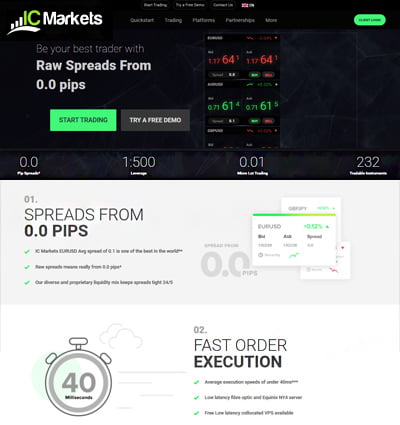
IC Markets is regulated by ASIC, CySEC, and the Seychelles FSA, offering a globally compliant trading experience. The broker supports advanced platforms such as MT4, MT5, cTrader, and TradingView, with support for automated trading and low latency execution. Leverage is capped at 1:30 for retail clients in regulated regions and up to 1:500 internationally, making it suitable for both cautious and aggressive traders.
RoboForex
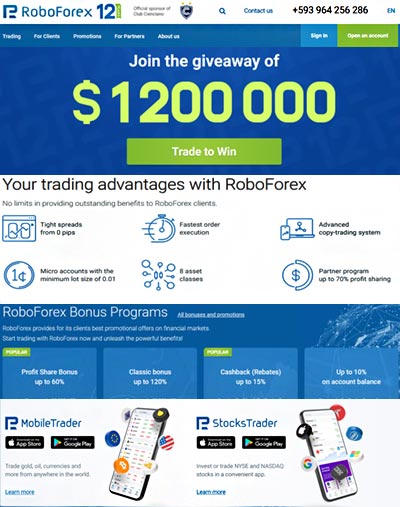
RoboForex is regulated by the IFSC of Belize and targets traders seeking high leverage trading. With leverage of up to 1:2000 on certain account types and access to platforms like MT4, MT5, cTrader, and R Trader, RoboForex is ideal for experienced traders who demand flexibility and automation. It supports over 12,000 instruments and offers tight spreads starting from 0.0 pips.
XTB
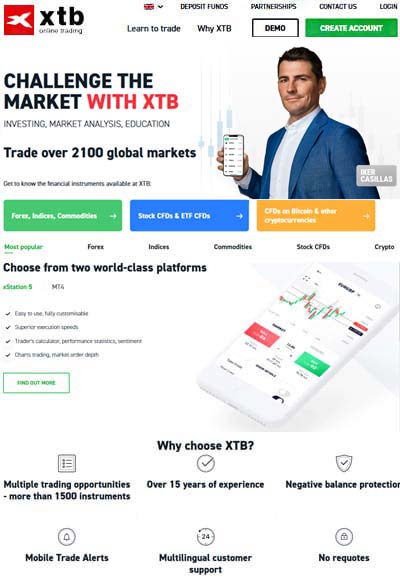
XTB is a trusted broker regulated by both the FCA and CySEC, ensuring high standards in client protection. It offers the proprietary xStation 5 and MT4 platforms, featuring in depth analytics and risk management tools. Retail traders are limited to 1:30 leverage, while professional clients can access up to 1:500. XTB also excels in trader education, making it ideal for those who value both safety and learning.
XM
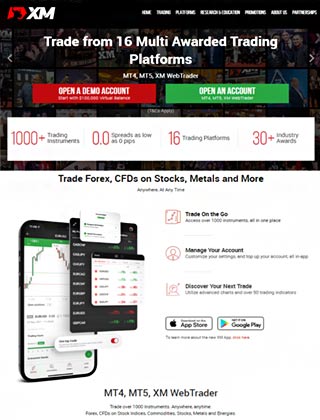
XM is licensed by ASIC, CySEC, and IFSC, offering a reliable and regulated trading environment. It supports MT4 and MT5 with features like Expert Advisors and access to over 1,000 instruments. Retail clients in regulated regions are capped at 1:30 leverage, while global clients can trade with up to 1:888 leverage, making XM both secure and flexible.
Pepperstone
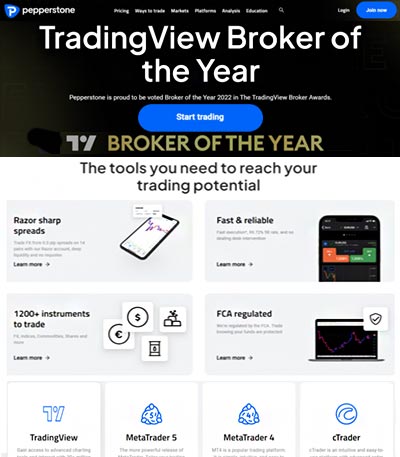
Pepperstone is overseen by the FCA, ASIC, and DFSA, ensuring compliance with stringent financial regulations. It offers MT4, MT5, and cTrader with support for automated and high speed trading. Leverage is limited to 1:30 for retail clients under FCA and ASIC rules, with 1:500 available for professionals. Its regulatory backing and fast execution make it a dependable choice.
AvaTrade
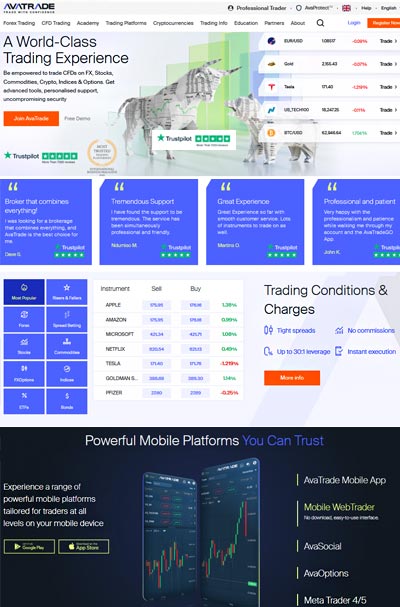
AvaTrade is licensed by the Central Bank of Ireland, ASIC, FSCA (South Africa), and JFSA (Japan), offering extensive global regulation. It provides user friendly tools like AvaTradeGo and AvaSocial for mobile and social trading. Leverage is capped at 1:30 in Europe and Australia, while international clients can access up to 1:400, making it attractive for both casual and active traders.
FP Markets
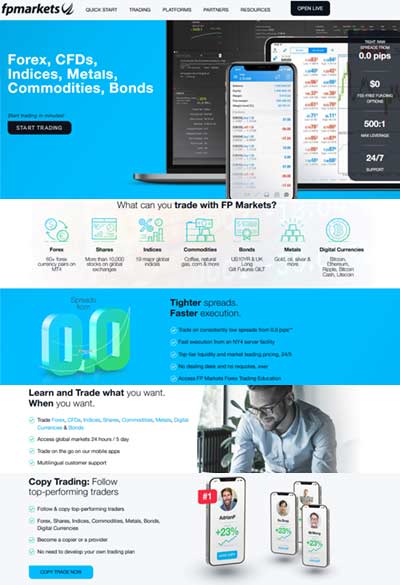
FP Markets is regulated by ASIC and CySEC, offering a secure, multi platform trading environment. It supports MT4 and MT5, with features like automated trading, deep liquidity, and access to a wide range of assets. Retail traders in Australia and Europe are capped at 1:30 leverage, while others may use up to 1:500. FP Markets combines regulation with powerful trading tools for serious traders.
Best Regulatory Authorities Overseeing CFD Brokers
CFD trading is highly regulated in many jurisdictions to protect investors and maintain financial market integrity. Each region enforces its own compliance rules, capital requirements, and leverage limits. Below are some of the most reputable regulatory bodies around the world and what they require from CFD brokers:
- Financial Conduct Authority (FCA) – United Kingdom: The FCA is one of the most prestigious financial regulators globally. FCA authorized brokers must segregate client funds from operational funds and hold a minimum operational capital of £730,000. For example, trading a CFD on the FTSE 100 at 7,500 points with 10:1 leverage would require an approximate margin of £750 per contract.
- Australian Securities and Investments Commission (ASIC) – Australia: ASIC enforces strict leverage limits and marketing restrictions on CFD brokers. Retail clients are limited to a maximum of 30:1 leverage for forex CFDs. For instance, trading AUD/USD at 0.65 with a 10,000 unit lot and 30:1 leverage would require a margin of approximately AUD 216.
- Cyprus Securities and Exchange Commission (CySEC) – Cyprus & European Union: Operating under the EU's MiFID II framework, CySEC ensures high transparency and investor protection. For example, a trader speculating on DAX 40 CFDs with 20:1 leverage on a €5,000 position would require a margin of around €250.
- Financial Sector Conduct Authority (FSCA) – South Africa: The FSCA monitors CFD brokers for operational integrity and customer protection. Trading gold CFDs at $2,000 per ounce with 20:1 leverage would typically require a margin of around ZAR 1,500 depending on the broker's conversion and margin requirements.
- Commodity Futures Trading Commission (CFTC) and National Futures Association (NFA) – United States: The CFTC and NFA jointly regulate retail forex and derivatives brokers in the U.S. Though CFD trading is generally restricted for retail clients, these bodies enforce strict reporting, capital adequacy, and conduct standards. U.S. brokers must maintain significantly higher net capital and offer maximum leverage of 50:1 for major forex pairs.
How to Check CFD Broker Regulation

Ensuring your CFD broker is properly regulated is a critical step in protecting your funds and avoiding fraudulent operations. Here's how to verify a broker’s regulatory status:
Visit the Official Regulator's Website
Reputable regulatory authorities maintain publicly accessible databases where you can verify if a broker is licensed. For example, traders in the UK can use the FCA Financial Services Register to confirm whether a firm is authorized and active.
Check the Broker's Disclosures
Regulated brokers are required to display their license number and the name of their regulatory body on their official website, usually in the footer or under the legal section. Cross reference this information directly with the regulator’s database to verify its legitimacy.

Look for Investor Protection Details
Legitimate brokers often participate in investor protection schemes that safeguard client funds if the company goes under. For instance, when I opened my first trading account with an FCA regulated broker in the UK, I confirmed they were covered by the Financial Services Compensation Scheme (FSCS). This gave me peace of mind knowing that, in the unlikely event the broker failed, up to £85,000 of my funds would be protected. Always check your broker’s official documentation or regulator’s website to confirm such protection applies.
Search for Regulatory News or Warnings
Before funding any account, take a moment to check your broker’s reputation on the regulator’s official site. For example, when researching one popular trading app, I found that it had received a warning from CySEC for misleading marketing practices something I would have missed if I hadn’t looked. Regulators regularly publish warnings, fines, or license suspensions online, and spotting one early can save you from a costly mistake.
Avoid Offshore or Unregulated Brokers
I once tested an offshore broker that claimed to be “fully regulated” by an obscure Caribbean authority. After depositing a small amount, I noticed withdrawals were delayed for weeks and support responses were generic. It was a clear warning sign. Many offshore entities provide little to no investor protection and operate with minimal oversight. To avoid these issues, stick with brokers licensed by well-known regulators such as the FCA (UK), ASIC (Australia), CySEC (Cyprus), or MAS (Singapore). These regulators enforce strict client fund segregation and conduct regular audits, offering a much safer trading environment.

Why CFDs?
A Contract for Difference shorterned to (CFD) is trading on price going up or down only against your CFD broker (no real owning or real financial assets). Instead of buying physical shares, commodities, or currencies, you enter a contract to exchange the difference between the asset’s price when you open and close the trade.
For example, when I first started trading CFDs, I opened a position on gold, expecting its price to rise during a period of inflation concerns. I didn’t need to buy any physical gold, I just traded its price movement. When the price climbed, I made a quick profit. However, on another occasion, I tried to short oil when production cuts were announced unexpectedly. The price surged instead, and I lost more than half of my trading account in a single day. That experience taught me how fast things can go wrong when leverage is involved.
If you believe an asset’s price will rise, you open a long (buy) position. If you expect it to fall, you open a short (sell) position. CFDs give access to a wide range of global markets, including stocks, indices, forex, commodities, and cryptocurrencies, from one trading platform, which makes them attractive to both new and experienced traders.
One of the defining characteristics of CFDs is leverage. For example, with 1:30 leverage, a $1,000 deposit can control a $30,000 position. This can multiply your gains, but also your losses. I once witnessed a fellow trader lose his entire balance overnight when a major forex pair gapped after a surprise central bank announcement. Because CFDs are leveraged, losses can exceed your initial deposit if the market moves sharply against you.
In short, CFDs offer great flexibility and opportunity but carry significant risks. Without proper risk management, a few bad trades, or even a single highly leveraged position, can lead to devastating losses.
For example, a trader could speculate on Tesla (TSLA) stock trading at $375 in April 2026 using CFDs with 5:1 leverage. With a margin of just $75, they would control a position worth $375, enabling greater market exposure but also magnifying potential losses if the trade moves against them.
Example CFD Trade: Profit and Loss Scenarios
To better understand how CFD trading works, let’s walk through a real-world example using a stock CFD based on current 2026 values. Suppose you’re trading a CFD on Apple Inc. (AAPL), which is currently priced at $270 per share. You believe the price will rise, so you decide to go 'long' (buy).
CFD Trade Setup
You open a position to buy 100 CFDs on AAPL at $270, using a leverage of 5:1. This means you only need to put up 20% of the total trade value as margin.
- Total position size: 100 shares x $270 = $27,000
- Required margin: 20% of $27,000 = $5,400
Now let’s see how your trade plays out under two different scenarios:
Scenario 1: Price Increases (Profit)
A few days later, following positive news regarding Apple's AI-integrated hardware cycle, the price rises to $285 per share. You decide to close your position and take profit.
- Exit price value: 100 shares x $285 = $28,500
- Gross Profit: $28,500 - $27,000 = $1,500
Return on margin: Since you only deposited $5,400, your $1,500 gain represents a 27.8% return on your initial margin (excluding overnight holding fees or commissions).
Scenario 2: Price Decreases (Loss)
Alternatively, if the market reacts poorly to a broader tech correction and AAPL drops to $260 per share, closing the position would result in the following:
- Exit price value: 100 shares x $260 = $26,000
- Loss: $27,000 - $26,000 = $1,000
Impact of Leverage: In this scenario, while the stock price only dropped by approximately 3.7%, your loss of $1,000 represents an 18.5% loss of your initial $5,400 margin, demonstrating how leverage magnifies risk.
Loss on margin: The $500 loss equals a 13.2% decline on your $3,800 margin deposit.

Latest Trends in CFD Broker Regulation
Regulatory changes continue to shape the CFD trading landscape across major regions. Below are the most recent developments in key markets:
United Kingdom
The Financial Conduct Authority (FCA) has intensified its oversight on high risk investment marketing. CFD brokers must now present risk warnings more prominently and avoid misleading promotions. Leverage remains capped at 30:1 for major forex pairs, and negative balance protection is a mandatory safeguard to prevent traders from losing more than their deposit.
Europe
The European Securities and Markets Authority (ESMA) is maintaining its stance on investor protection under MiFID II. ESMA began evaluating stricter reporting requirements to boost broker transparency and ensure compliance with leverage and risk control measures. Leverage limits and negative balance protection continue to apply uniformly across EU member states.
Australia
The Australian Securities and Investments Commission (ASIC) remains active in supervising CFD brokers. Leverage limits for retail traders are enforced at 30:1 for major forex pairs, and regular audits and risk management reviews are being conducted. ASIC has also introduced heavier penalties for firms that fail to meet their disclosure and conduct obligations.

Asia
In Asia, regulatory bodies such as the Monetary Authority of Singapore (MAS) and the Japan Financial Services Agency (FSA) are focused on balancing market innovation with investor protection. Japan enforces one of the lowest leverage limits globally at 10:1, while MAS emphasizes client education and clear risk disclosures. Both authorities continue reviewing regulatory effectiveness to maintain financial stability.
Middle East
Countries like the UAE have tightened regulatory frameworks through the Securities and Commodities Authority (SCA). New rules require brokers to meet higher capital requirements and deliver full transparency in risk disclosures. These reforms are part of broader efforts to create a secure and credible environment for retail CFD trading.
These regulatory trends reflect a global push to standardize risk controls and enhance investor protections across CFD markets. Traders should stay up to date with local laws to ensure they’re operating within a regulated and secure environment.
CFD Brokers Verdict
Choosing a regulated CFD broker is one of the most important decisions a trader can make. Regulation enforces essential standards such as client fund segregation, negative balance protection, and transparent pricing practices. In jurisdictions like the UK, for example, the Financial Conduct Authority (FCA) requires brokers to provide clear risk disclosures and adhere to leverage caps, helping reduce the risk of catastrophic losses for retail traders.
Across Europe, regulatory oversight from ESMA under MiFID II ensures that CFD providers maintain strict standards of transparency, offer limited leverage, and comply with negative balance protection rules. Similarly, in Australia, ASIC enforces tough compliance measures and actively monitors brokers to protect traders from misleading practices and high risk exposures.
Compensation schemes also offer another layer of protection. For example, the FSCS in the UK protects eligible clients up to £85,000 if their broker becomes insolvent, offering traders peace of mind even in worst case scenarios. Similar safeguards exist in other regions, further emphasizing the importance of trading with properly licensed brokers.
Trading with an unregulated or offshore broker significantly increases your risk of fraud, pricing manipulation, or withdrawal issues. Regulated brokers, on the other hand, provide a secure environment with robust investor protections that support long term trading success.
From my perspective as a trader, partnering with a regulated broker has always been a non negotiable starting point. It ensures I’m operating in a fair, transparent market and it allows me to focus on my strategy rather than worrying about the safety of my funds.
Before opening an account, always verify the broker’s license, research the regulatory body overseeing them, and confirm whether any compensation schemes apply. In a market as dynamic and fast moving as CFDs, regulation is your first and strongest line of defense.
When I first began trading CFDs, I was drawn to their flexibility and the ability to trade multiple global markets from one platform. Over time, I discovered that CFD investing can be incredibly rewarding but only when approached with discipline and a clear understanding of the risks involved. After a few early mistakes, I decided to work exclusively with regulated CFD brokers because regulation provides transparency, fair pricing, and better protection of client funds. That shift completely changed my trading experience.
One of my biggest lessons came during the 2026 oil price surge. I had taken a long position on crude oil CFDs using a broker regulated by the FCA. When prices suddenly spiked due to OPEC supply cuts, my profits were credited instantly no slippage, no account freezes. A friend trading through an offshore broker wasn’t as lucky; his platform froze mid trade. This experience reinforced the importance of using trustworthy CFD providers with solid regulatory oversight.
That said, regulation doesn’t remove market risk. I learned the hard way about the dangers of leverage. Early on, I used 1:30 leverage on an S&P 500 CFD (read more here) after a strong earnings report. The trade looked perfect until unexpected inflation data reversed the market overnight. My gains vanished, and I faced a margin call. That taught me that while leverage amplifies opportunities, it also magnifies losses just as quickly. Managing margin carefully is essential for survival in CFD trading.
I’ve also seen how CFD fees and overnight financing charges can quietly eat into profits. When I held a gold CFD for several weeks (CFD gold trading), I didn’t realize how much swap costs would add up. Although the trade was profitable, my net gain was lower than expected due to the financing costs. Regulated brokers are transparent about these charges which I appreciate but it’s still up to the trader to calculate their impact.
On a positive note, trading CFDs on global indices and shares has given me exposure I never would’ve had otherwise. For example, I traded European indices ahead of key ECB announcements and U.S. tech stocks during earnings season, all from the same account. Regulated brokers also handle CFD dividends fairly, crediting or debiting them depending on whether you go long or short something that’s often mishandled by unregulated platforms.
I’ve experimented with automated CFD trading too, using algorithms to execute trades based on price patterns. Automation helped me stay disciplined, but it also made me realize how critical it is to have risk controls in place. During high volatility events, bots can overtrade or fail to adapt. Regulated brokers’ builtin risk systems prevented several potential disasters, proving again why compliance and stability matter.
When it comes to ethics and safety, I’ve also researched whether CFD trading is safe or halal. In my view, regulated brokers make it safer by enforcing strict capital requirements and segregation of funds. As for halal trading, some offer swap free accounts that comply with Islamic finance principles, ensuring inclusivity for all traders.
It’s also worth comparing CFDs with other instruments like ETFs, forex, or futures. I’ve found CFDs vs ETFs to offer greater shortterm flexibility, while CFDs vs Forex often involve different risk dynamics. CFDs on commodities (commodity CFD trading) are particularly volatile great for experienced traders, but potentially overwhelming for beginners.
The opportunities to profit from global markets are real but so are the risks of over leverage, poor timing, and emotional decision making. My advice to new traders: start small, learn from real CFD examples, develop your trading strategies, and never underestimate the power of regulation. It’s not just about compliance it’s about protecting your capital and your confidence in every trade.
We have conducted extensive research and analysis on over multiple data points on Regulated CFD Brokers to present you with a comprehensive guide that can help you find the most suitable Regulated CFD Brokers. Below we shortlist what we think are the best Regulated CFD Brokers after careful consideration and evaluation. We hope this list will assist you in making an informed decision when researching Regulated CFD Brokers.
Reputable Regulated CFD Brokers Checklist
Selecting a reliable and reputable online Regulated CFD Brokers trading brokerage involves assessing their track record, regulatory status, customer support, processing times, international presence, and language capabilities. Considering these factors, you can make an informed decision and trade Regulated CFD Brokers more confidently.
Selecting the right online Regulated CFD Brokers trading brokerage requires careful consideration of several critical factors. Here are some essential points to keep in mind:
- Ensure your chosen Regulated CFD Brokers broker has a solid track record of at least two years in the industry.
- Verify that the Regulated CFD Brokers broker has a customer support team of at least 15 members responsive to queries and concerns.
- Check if the Regulated CFD Brokers broker operates under the regulatory framework of a jurisdiction that can hold it accountable for any misconduct or resolve disputes fairly and impartially.
- Ensure that the Regulated CFD Brokers broker can process deposits and withdrawals within two to three days, which is crucial when you need to access your funds quickly.
- Look for Regulated CFD Brokers brokers with an international presence in multiple countries, offering its clients local seminars and training programs.
- Ensure the Regulated CFD Brokers broker can hire staff from diverse locations worldwide who can communicate fluently in your local language.
Our team have listed brokers that match your criteria for you below. All brokerage data has been summarised into a comparison table. Scroll down.
Compare Key Features of Regulated CFD Brokers in Our Brokerage Comparison Table
When choosing a broker for Regulated CFD Brokers trading, it's essential to compare the different options available to you. Our Regulated CFD Brokers brokerage comparison table below allows you to compare several important features side by side, making it easier to make an informed choice.
- Minimum deposit requirement for opening an account with each Regulated CFD Brokers broker.
- The funding methods available for Regulated CFD Brokers with each broker.
- The types of instruments you can trade with each Regulated CFD Brokers broker, such as forex, stocks, commodities, and indices.
- The trading platforms each Regulated CFD Brokers broker provides, including their features, ease of use, and compatibility with your devices.
- The spread type (if applicable) for each Regulated CFD Brokers broker affects the cost of trading.
- The level of customer support each Regulated CFD Brokers broker offers, including their availability, responsiveness, and quality of service.
- Whether each Regulated CFD Brokers broker offers Micro, Standard, VIP, or Islamic accounts to suit your trading style and preferences.
By comparing these essential features, you can choose a Regulated CFD Brokers broker that best suits your needs and preferences for Regulated CFD Brokers. Our Regulated CFD Brokers broker comparison table simplifies the process, allowing you to make a more informed decision.
Top 15 Regulated CFD Brokers of 2026 compared
Here are the top Regulated CFD Brokers.
Compare Regulated CFD Brokers brokers for min deposits, funding, used by, benefits, account types, platforms, and support levels. When searching for a Regulated CFD Brokers broker, it's crucial to compare several factors to choose the right one for your Regulated CFD Brokers needs. Our comparison tool allows you to compare the essential features side by side.
All brokers below are Regulated CFD Brokers. Learn more about what they offer below.
You can scroll left and right on the comparison table below to see more Regulated CFD Brokers that accept Regulated CFD Brokers clients.
| Broker |
IC Markets

|
Roboforex

|
eToro

|
XTB
|
XM

|
Pepperstone

|
AvaTrade

|
FP Markets

|
EasyMarkets

|
SpreadEx

|
FXPro

|
|---|---|---|---|---|---|---|---|---|---|---|---|
| Rating | |||||||||||
| Regulation | International Capital Markets Pty Ltd (Australia) (ASIC) Australian Securities & Investments Commission Licence No. 335692, Seychelles Financial Services Authority (FSA) (SD018), IC Markets (EU) Ltd (CySEC) Cyprus Securities and Exchange Commission with License No. 362/18, Capital Markets Authority(CMA) Kenya IC Markets (KE) Ltd, Securities Commission of The Bahamas (SCB) IC Markets (Bahamas) Ltd | RoboForex Ltd is authorised and regulated by the Financial Services Commission (FSC) of Belize under licence No. 000138/32, under the Securities Industry Act 2021, RoboForex Ltd is an (A category) member of The Financial Commission, also RoboForex Ltd is a participant of the Financial Commission Compensation Fund | FCA (Financial Conduct Authority) eToro (UK) Ltd (FCA reference 583263), eToro (Europe) Ltd CySEC (Cyprus Securities Exchange Commission), ASIC (Australian Securities and Investments Commission) eToro AUS Capital Limited ASIC license 491139, CySec (Cyprus Securities and Exchange Commission under the license 109/10), FSAS (Financial Services Authority Seychelles) eToro (Seychelles) Ltd license SD076, eToro (ME) Limited (ADGM) Abu Dhabi (UAE) number 220073, eToro (Europe) Ltd (AMF) Autorité des marchés financiers as a digital assets provider France | FCA (Financial Conduct Authority reference 522157) XTB Limited, CySEC (Cyprus Securities and Exchange Commission reference 169/12), DFSA (Dubai Financial Services Authority XTB MENA Limited licensed 8 July 2021), FSA (Financial Services Authority Seychelles license number SD148), FSCA (Financial Sector Conduct Authority XTB Africa (Pty) Ltd licensed 10 August 2021), KNF (Komisja Nadzoru Finansowego Polish Financial Supervision Authority) | Financial Sector Conduct Authority (FSCA) (49976) XM ZA (Pty) Ltd, Financial Services Commission (FSC) (000261/27) XM Global Limited, Cyprus Securities and Exchange Commission (CySEC) (license 120/10) Trading Point of Financial Instruments Ltd, Australian Securities and Investments Commission (ASIC) (number 443670) Trading Point of Financial Instruments Pty Ltd | Financial Conduct Authority (FCA), Australian Securities and Investments Commission (ASIC), Cyprus Securities and Exchange Commission (CySEC), Federal Financial Supervisory Authority (BaFin), Dubai Financial Services Authority (DFSA), Capital Markets Authority of Kenya (CMA), Pepperstone Markets Limited is incorporated in The Bahamas (number 177174 B), Licensed by the Securities Commission of The Bahamas (SCB) number SIA-F217 | Australian Securities and Investments Commission (ASIC) Ava Capital Markets Australia Pty Ltd (406684), South African Financial Sector Conduct Authority (FSCA) Ava Capital Markets Pty Ltd (45984), Financial Services Agency (Japan FSA) Ava Trade Japan K.K. (1662), Financial Futures Association of Japan (FFAJ) Ava Trade Japan K.K. (1574), Abu Dhabi Global Markets (ADGM) / Financial Regulatory Services Authority (FRSA) Ava Trade Middle East Ltd (190018), Central Bank of Ireland (C53877) AVA Trade EU Ltd, Polish Financial Supervision Authority (KNF) AVA Trade EU Ltd (branch authorisation), British Virgin Islands Financial Services Commission (BVI) Ava Trade Markets Ltd (SIBA/L/13/1049), Israel Securities Authority (ISA) ATrade Ltd (514666577), Financial Superintendence of Colombia (SFC 0261 of 2024), Investment Industry Regulatory Organization of Canada through Friedberg Direct (IIROC) | CySEC (Cyprus Securities and Exchange Commission) (371/18), ASIC AFS (Australian Securities and Investments Commission) (286354), FSP (Financial Sector Conduct Authority in South Africa) (50926), Financial Services Authority Seychelles (FSA) (SD 130) | Easy Forex Trading Ltd is regulated by CySEC (License 079/07). This is the only entity that onboards EU clients. easyMarkets Pty Ltd is regulated by ASIC (AFS License 246566), EF Worldwide Ltd (Seychelles) is regulated by FSA (License SD056), EF Worldwide Ltd (British Virgin Islands) is regulated by FSC (License SIBA/L/20/1135), EF Worldwide (PTY) Ltd is regulated by FSCA (License 54018) | FCA (Financial Conduct Authority) (190941), Gambling Commission (Great Britain) (8835), licence in Ireland as remote bookmaker for fixed odds betting licence number 1016176 | FCA (Financial Conduct Authority) (509956), CySEC (Cyprus Securities and Exchange Commission) (078/07), FSCA (Financial Sector Conduct Authority) (45052), SCB (Securities Commission of The Bahamas) (SIA-F184), FSA (Financial Services Authority of Seychelles) (SD120) |
| Min Deposit | 200 | 10 | 50 | No minimum deposit | 5 | No minimum deposit | 100 | 100 | 25 | No minimum deposit | 100 |
| Funding |
|
|
|
|
|
|
|
|
|
|
|
| Used By | 200,000+ | 730,000+ | 40,000,000+ | 2,000,000+ | 15,000,000+ | 830,000+ | 400,000+ | 200,000+ | 250,000+ | 60,000+ | 11,200,000+ |
| Benefits |
|
|
|
|
|
|
|
|
|
|
|
| Accounts |
|
|
|
|
|
|
|
|
|
|
|
| Platforms | MT5, MT4, MetaTrader WebTrader, Mobile Apps, iOS (App Store), Android (Google Play), MetaTrader iPhone/iPad, MetaTrader Android Google Play, MetaTrader Mac, cTrader, cTrader Web, cTrader iPhone/iPad, cTrader iMac, cTrader Android Google Play, cTrader Automate, cTrader Copy Trading, TradingView, Virtual Private Server, Trading Servers, MT4 Advanced Trading Tools, IC Insights, Trading Central | MT4, MT5, R Mobile Trader, R StocksTrader, WebTrader, Mobile Apps, iOS (App Store), Android (Google Play), Windows | eToro Trading App, Mobile Apps, iOS (App Store), Android (Google Play), CopyTrading, Web | MT4, Mirror Trader, Web Trader, Tablet, Mobile Apps, iOS (App Store), Android (Google Play) | MT5, MT5 WebTrader, XM Apple App for iPhone, XM App for Android Google Play, Tablet: MT5 for iPad, MT5 for Android Google Play, XM App for iPad, XM App for iOS (App Store), Android (Google Play), Mobile Apps | MT4, MT5, cTrader,WebTrader, TradingView, Windows, Mobile Apps, iOS (App Store), Android (Google Play) | MT4, MT5, Web Trading, AvaTrade App, AvaOptions, Mac Trading, AvaSocial, Mobile Apps, iOS (App Store), Android (Google Play) | MT4, MT5, TradingView, cTrader, WebTrader, Mobile Trader, Mobile Apps, iOS (App Store), Android (Google Play) | easyMarkets App, Mobile Apps, iOS (App Store), Android (Google Play), Web Platform, TradingView, MT4, MT5 | Web, Mobile Apps, iOS (App Store), Android (Google Play), iPad App, iPhone App, TradingView | MT4, MT5, cTrader, FxPro WebTrader, FxPro Mobile Apps, iOS (App Store), Android (Google Play) |
| Support |
|
|
|
|
|
|
|
|
|
|
|
| Learn More |
Sign
Up with icmarkets |
Sign
Up with roboforex |
Sign
Up with etoro |
Sign
Up with xtb |
Sign
Up with xm |
Sign
Up with pepperstone |
Sign
Up with avatrade |
Sign
Up with fpmarkets |
Sign
Up with easymarkets |
Sign
Up with spreadex |
Sign
Up with fxpro |
| Risk Warning | Losses can exceed deposits | Losses can exceed deposits | 52% of retail investor accounts lose money when trading CFDs with this provider. | 69% - 80% of retail investor accounts lose money when trading CFDs with this provider. You should consider whether you understand how CFDs work and whether you can afford to take the high risk of losing your money. | CFDs are complex instruments and come with a high risk of losing money rapidly due to leverage. 74.48% of retail investor accounts lose money when trading CFDs with this provider. You should consider whether you understand how CFDs work and whether you can afford to take the high risk of losing your money. | 74-95 % of retail investor accounts lose money when trading CFDs | 57% of retail investor accounts lose money when trading CFDs with this provider | Losses can exceed deposits | 76% of retail investor accounts lose money when trading CFDs with this provider. | 62% of retail CFD accounts lose money | 74% of retail investor accounts lose money when trading CFDs and Spread Betting with this provider |
| Demo |
IC Markets Demo |
Roboforex Demo |
eToro Demo |
XTB Demo |
XM Demo |
Pepperstone Demo |
AvaTrade Demo |
FP Markets Demo |
easyMarkets Demo |
SpreadEx Demo |
FxPro Demo |
| Excluded Countries | US, IR, CA, NZ, JP | AU, BE, BQ, BR, CA, CW, CZ, DE, ES, EE, EU, FM, FR, FI, GW, ID, IR, JP, LR, MP, NL, PF, PL, RU, SE, SJ, SS, SL, SI, TL, TR, DO, US, IT, AT, PT, BG, HR, CY, DK, FL, GR, IE, LV, LT, MT, RO, SK, CH | ZA, ID, IR, KP, BE, CA, JP, SY, TR, IL, BY, AL, MD, MK, RS, GN, CD, SD, SA, ZW, ET, GH, TZ, LY, UG, ZM, BW, RW, TN, SO, NA, TG, SL, LR, GM, DJ, CI, PK, BN, TW, WS, NP, SG, VI, TM, TJ, UZ, LK, TT, HT, MM, BT, MH, MV, MG, MK, KZ, GD, FJ, PT, BB, BM, BS, AG, AI, AW, AX, LB, SV, PY, HN, GT, PR, NI, VG, AN, CN, BZ, DZ, MY, KH, PH, VN, EG, MN, MO, UA, JO, KR, AO, BR, HR, GL, IS, IM, JM, FM, MC, NG, SI, | US, IN, PK, BD, NG , ID, BE, AU | US, CA, IL, IR | AF, AS, AQ, AM, AZ, BY, BE, BZ, BT, BA, BI, CM, CA, CF, TD, CG, CI, ER, GF, PF, GP, GU, GN, GW, GY, HT, VA, IR, IQ, JP, KZ, LB, LR, LY, ML, MQ, YT, MZ, MM, NZ, NI, KP, PS, PR, RE, KN, LC, VC, WS, SO, GS, KR, SS, SD, SR, SY, TJ, TN, TM, TC, US, VU, VG, EH, ES, YE, ZW, ET | BE, BR, KP, NZ, TR, US, CA, SG | US, JP, NZ | US, IL, BC, MB, QC, ON, AF, BY, BI, KH, KY, TD, KM, CG, CU, CD, GQ, ER, FJ, GN, GW, HT, IR, IQ, LA, LY, MZ, MM, NI, KP, PW, PA, RU, SO, SS, SD, SY, TT, TM, VU, VE, YE | US, TR | US, CA, IR |
All Regulated CFD Brokers in more detail
You can compare Regulated CFD Brokers ratings, min deposits what the the broker offers, funding methods, platforms, spread types, customer support options, regulation and account types side by side.
We also have an indepth Top Regulated CFD Brokers for 2026 article further below. You can see it now by clicking here
We have listed top Regulated CFD Brokers below.
Regulated CFD Brokers Table of Contents
- Regulated CFD Brokers Explained
- 6 Factors to Consider when Choosing Regulated CFD Brokers
- Are Your Regulated CFD Brokers Trusted And Established?
- Are The Regulated CFD Brokers World Leading?
- What are the Regulated CFD Brokers Commissions and Fees?
- What are the Regulated CFD Brokers Funding and Withdrawl Methods?
- Find Regulated CFD Brokers with Round-the-clock support?
- Make sure the Regulated CFD Brokers Offer Comprehensive Trader resources?
- Why Regulated CFD Brokers needs to be regulated?
- Regulated CFD Brokers FAQ
- What are the best Regulated CFD Brokers brokers?
- What is the best Regulated CFD B broker?
- Related Regulated CFD Brokers Reviews
- Related Regulated CFD Brokers Alternatives
- Related Regulated CFD Brokers Comparisons
Regulated CFD Brokers Explained
Trading volatile financial markets with Regulated CFD Brokers can be challenging, even for experienced traders. In addition to the online educational resources available, traders should consider the platform offered by Regulated CFD Brokers to ensure a successful trading experience.
Selecting Regulated CFD Brokers at the forefront of innovation and considered an industry leader is crucial. Doing so will ensure you are equipped with the tools and features to navigate volatile Regulated CFD markets effectively.
Reliability is key to gaining access to financial markets. Look for Regulated CFD Brokers that you can rely on to provide a stable and secure trading environment, allowing you to execute trades with Regulated CFD Brokers confidently.
6 Factors to Consider when Choosing Regulated CFD Brokers
Follow these five rules for selecting Regulated CFD Brokers that are right for you:
Are Your Regulated CFD Brokers Trusted And Established?
Search for a reputable Regulated CFD Brokers with a extensive proven track record for Regulated CFD, enabling you to focus solely on implementing your trading strategy and navigating the markets with confidence. The top rated Regulated CFD broker is IC Markets. Established in 2007, and in operation for 19 years IC Markets have a head office in Australia.
IC Markets is regulated. This means IC Markets are supervised by and is checked for conduct by International Capital Markets Pty Ltd (Australia) (ASIC) Australian Securities & Investments Commission Licence No. 335692, Seychelles Financial Services Authority (FSA) (SD018), IC Markets (EU) Ltd (CySEC) Cyprus Securities and Exchange Commission with License No. 362/18, Capital Markets Authority(CMA) Kenya IC Markets (KE) Ltd, Securities Commission of The Bahamas (SCB) IC Markets (Bahamas) Ltd regulatory bodies.
Another top rated broker is Roboforex.
Roboforex was established 2009, and in operation for 17 years Roboforex have a head office in Belize.
Roboforex is regulated. This means Roboforex are supervised by and is checked for conduct by International Capital Markets Pty Ltd (Australia) (ASIC) Australian Securities & Investments Commission Licence No. 335692, Seychelles Financial Services Authority (FSA) (SD018), IC Markets (EU) Ltd (CySEC) Cyprus Securities and Exchange Commission with License No. 362/18, Capital Markets Authority(CMA) Kenya IC Markets (KE) Ltd, Securities Commission of The Bahamas (SCB) IC Markets (Bahamas) Ltd regulatory bodies.
| Broker |
IC Markets
|
Roboforex
|
eToro
|
XTB
|
XM
|
Pepperstone
|
AvaTrade
|
FP Markets
|
|---|---|---|---|---|---|---|---|---|
| Year Established | 2007 | 2009 | 2007 | 2002 | 2009 | 2010 | 2006 | 2005 |
| Head Office | Australia | Belize | Cyprus, UK | Poland | Cyprus | Australia | Ireland | Australia |
| Regulation | International Capital Markets Pty Ltd (Australia) (ASIC) Australian Securities & Investments Commission Licence No. 335692, Seychelles Financial Services Authority (FSA) (SD018), IC Markets (EU) Ltd (CySEC) Cyprus Securities and Exchange Commission with License No. 362/18, Capital Markets Authority(CMA) Kenya IC Markets (KE) Ltd, Securities Commission of The Bahamas (SCB) IC Markets (Bahamas) Ltd | RoboForex Ltd is authorised and regulated by the Financial Services Commission (FSC) of Belize under licence No. 000138/32, under the Securities Industry Act 2021, RoboForex Ltd is an (A category) member of The Financial Commission, also RoboForex Ltd is a participant of the Financial Commission Compensation Fund | FCA (Financial Conduct Authority) eToro (UK) Ltd (FCA reference 583263), eToro (Europe) Ltd CySEC (Cyprus Securities Exchange Commission), ASIC (Australian Securities and Investments Commission) eToro AUS Capital Limited ASIC license 491139, CySec (Cyprus Securities and Exchange Commission under the license 109/10), FSAS (Financial Services Authority Seychelles) eToro (Seychelles) Ltd license SD076, eToro (ME) Limited (ADGM) Abu Dhabi (UAE) number 220073, eToro (Europe) Ltd (AMF) Autorité des marchés financiers as a digital assets provider France | FCA (Financial Conduct Authority reference 522157) XTB Limited, CySEC (Cyprus Securities and Exchange Commission reference 169/12), DFSA (Dubai Financial Services Authority XTB MENA Limited licensed 8 July 2021), FSA (Financial Services Authority Seychelles license number SD148), FSCA (Financial Sector Conduct Authority XTB Africa (Pty) Ltd licensed 10 August 2021), KNF (Komisja Nadzoru Finansowego Polish Financial Supervision Authority) | Financial Sector Conduct Authority (FSCA) (49976) XM ZA (Pty) Ltd, Financial Services Commission (FSC) (000261/27) XM Global Limited, Cyprus Securities and Exchange Commission (CySEC) (license 120/10) Trading Point of Financial Instruments Ltd, Australian Securities and Investments Commission (ASIC) (number 443670) Trading Point of Financial Instruments Pty Ltd | Financial Conduct Authority (FCA), Australian Securities and Investments Commission (ASIC), Cyprus Securities and Exchange Commission (CySEC), Federal Financial Supervisory Authority (BaFin), Dubai Financial Services Authority (DFSA), Capital Markets Authority of Kenya (CMA), Pepperstone Markets Limited is incorporated in The Bahamas (number 177174 B), Licensed by the Securities Commission of The Bahamas (SCB) number SIA-F217 | Australian Securities and Investments Commission (ASIC) Ava Capital Markets Australia Pty Ltd (406684), South African Financial Sector Conduct Authority (FSCA) Ava Capital Markets Pty Ltd (45984), Financial Services Agency (Japan FSA) Ava Trade Japan K.K. (1662), Financial Futures Association of Japan (FFAJ) Ava Trade Japan K.K. (1574), Abu Dhabi Global Markets (ADGM) / Financial Regulatory Services Authority (FRSA) Ava Trade Middle East Ltd (190018), Central Bank of Ireland (C53877) AVA Trade EU Ltd, Polish Financial Supervision Authority (KNF) AVA Trade EU Ltd (branch authorisation), British Virgin Islands Financial Services Commission (BVI) Ava Trade Markets Ltd (SIBA/L/13/1049), Israel Securities Authority (ISA) ATrade Ltd (514666577), Financial Superintendence of Colombia (SFC 0261 of 2024), Investment Industry Regulatory Organization of Canada through Friedberg Direct (IIROC) | CySEC (Cyprus Securities and Exchange Commission) (371/18), ASIC AFS (Australian Securities and Investments Commission) (286354), FSP (Financial Sector Conduct Authority in South Africa) (50926), Financial Services Authority Seychelles (FSA) (SD 130) |
| Used By | 200,000+ | 730,000+ | 40,000,000+ | 2,000,000+ | 15,000,000+ | 830,000+ | 400,000+ | 200,000+ |
| Negative balance protection | Yes | Yes | Yes | Yes | Yes | Yes | Yes | Yes |
| Guaranteed Stop Loss | No | No | No | No | No | Yes | No | No |
| Learn More | Visit IC Markets | Visit Roboforex | Visit eToro | Visit XTB | Visit XM | Visit Pepperstone | Visit AvaTrade | Visit FP Markets |
| Risk Warning | Losses can exceed deposits | Losses can exceed deposits | 52% of retail investor accounts lose money when trading CFDs with this provider. | 69% - 80% of retail investor accounts lose money when trading CFDs with this provider. You should consider whether you understand how CFDs work and whether you can afford to take the high risk of losing your money. | CFDs are complex instruments and come with a high risk of losing money rapidly due to leverage. 74.48% of retail investor accounts lose money when trading CFDs with this provider. You should consider whether you understand how CFDs work and whether you can afford to take the high risk of losing your money. | 74-95 % of retail investor accounts lose money when trading CFDs | 57% of retail investor accounts lose money when trading CFDs with this provider | Losses can exceed deposits |
Are The Regulated CFD Brokers World Leading?
Opt for Regulated CFD Brokers that set themselves apart as an industry leader by actively embracing innovation. Take IC Markets as an example, which is renowned for Segregates clients funds and boasts an extensive array of 2250 tradable instruments. Moreover, IC Markets caters to the needs of its clients with both an online trading platform and a mobile application, making it incredibly convenient to access the markets from anywhere, at any time.
In addition, the IC Markets platform enables access to a variety of financial markets worldwide. IC Markets is a world-leader when it comes to innovation and they are always looking at ways to improve and to maintain their competitive advantage.
Another good choice when looking for Regulated CFD Brokers is Roboforex. Roboforex Segregates clients funds and offers over 12000 instruments.
| Broker |
IC Markets
|
Roboforex
|
eToro
|
XTB
|
XM
|
Pepperstone
|
AvaTrade
|
FP Markets
|
|---|---|---|---|---|---|---|---|---|
| Instruments Available | 2250 | 12000 | 7000 | 10900 | 1464 | 2700 | 1250 | 10000 |
| Platforms | MT5, MT4, MetaTrader WebTrader, Mobile Apps, iOS (App Store), Android (Google Play), MetaTrader iPhone/iPad, MetaTrader Android Google Play, MetaTrader Mac, cTrader, cTrader Web, cTrader iPhone/iPad, cTrader iMac, cTrader Android Google Play, cTrader Automate, cTrader Copy Trading, TradingView, Virtual Private Server, Trading Servers, MT4 Advanced Trading Tools, IC Insights, Trading Central | MT4, MT5, R Mobile Trader, R StocksTrader, WebTrader, Mobile Apps, iOS (App Store), Android (Google Play), Windows | eToro Trading App, Mobile Apps, iOS (App Store), Android (Google Play), CopyTrading, Web | MT4, Mirror Trader, Web Trader, Tablet, Mobile Apps, iOS (App Store), Android (Google Play) | MT5, MT5 WebTrader, XM Apple App for iPhone, XM App for Android Google Play, Tablet: MT5 for iPad, MT5 for Android Google Play, XM App for iPad, XM App for iOS (App Store), Android (Google Play), Mobile Apps | MT4, MT5, cTrader,WebTrader, TradingView, Windows, Mobile Apps, iOS (App Store), Android (Google Play) | MT4, MT5, Web Trading, AvaTrade App, AvaOptions, Mac Trading, AvaSocial, Mobile Apps, iOS (App Store), Android (Google Play) | MT4, MT5, TradingView, cTrader, WebTrader, Mobile Trader, Mobile Apps, iOS (App Store), Android (Google Play) |
| Excluded Countries | US, IR, CA, NZ, JP | AU, BE, BQ, BR, CA, CW, CZ, DE, ES, EE, EU, FM, FR, FI, GW, ID, IR, JP, LR, MP, NL, PF, PL, RU, SE, SJ, SS, SL, SI, TL, TR, DO, US, IT, AT, PT, BG, HR, CY, DK, FL, GR, IE, LV, LT, MT, RO, SK, CH | ZA, ID, IR, KP, BE, CA, JP, SY, TR, IL, BY, AL, MD, MK, RS, GN, CD, SD, SA, ZW, ET, GH, TZ, LY, UG, ZM, BW, RW, TN, SO, NA, TG, SL, LR, GM, DJ, CI, PK, BN, TW, WS, NP, SG, VI, TM, TJ, UZ, LK, TT, HT, MM, BT, MH, MV, MG, MK, KZ, GD, FJ, PT, BB, BM, BS, AG, AI, AW, AX, LB, SV, PY, HN, GT, PR, NI, VG, AN, CN, BZ, DZ, MY, KH, PH, VN, EG, MN, MO, UA, JO, KR, AO, BR, HR, GL, IS, IM, JM, FM, MC, NG, SI, | US, AU, CA, JP, KR, KP, SG, MU, IL, TR, IN, PK, BA, ET, UG, CU, SY, BD, NG, ID, BE, LY, MO, KE, YE, VU, GY, CD, CG, AF, LA, MZ, IQ, IR | US, CA, IL, IR | AF, AS, AQ, AM, AZ, BY, BE, BZ, BT, BA, BI, CM, CA, CF, TD, CG, CI, ER, GF, PF, GP, GU, GN, GW, GY, HT, VA, IR, IQ, JP, KZ, LB, LR, LY, ML, MQ, YT, MZ, MM, NZ, NI, KP, PS, PR, RE, KN, LC, VC, WS, SO, GS, KR, SS, SD, SR, SY, TJ, TN, TM, TC, US, VU, VG, EH, ES, YE, ZW, ET | BE, BR, KP, NZ, TR, US, CA, SG | US, JP, NZ |
| Forex pairs offered | 65 | 40 | 65 | 69 | 55 | 93 | 53 | 70 |
| Major forex pairs | Yes | Yes | Yes | Yes | Yes | Yes | Yes | Yes |
| Minor forex pairs | Yes | Yes | Yes | Yes | Yes | Yes | Yes | Yes |
| Exotic forex pairs | Yes | Yes | Yes | Yes | Yes | Yes | Yes | Yes |
| Cryptocurrencies (availability subject to regulation) | Yes | Yes | Yes | No | No | Yes | Yes | Yes |
| Commodities Offered | 28 | 100 | 67 | 27 | 8 | 40 | 19 | 29 |
| Metals | Yes | Yes | Yes | Yes | Yes | Yes | Yes | Yes |
| Energies | Yes | No | Yes | Yes | Yes | Yes | Yes | Yes |
| Agricultural | Yes | No | Yes | Yes | No | Yes | Yes | Yes |
| Stocks Offered | 2100 | 8484 | 7246 | 6617 | 1350 | 1100 | 647 | 10000 |
| UK Shares | Yes | Yes | Yes | Yes | Yes | Yes | Yes | Yes |
| US Shares | Yes | Yes | Yes | Yes | Yes | Yes | Yes | Yes |
| German Shares | Yes | Yes | Yes | Yes | Yes | Yes | Yes | Yes |
| Japanese Shares | Yes | Yes | Yes | Yes | Yes | Yes | Yes | Yes |
What are the Regulated CFD Brokers Commissions and Fees?
Ensure that your broker is transparent with fees and those dues are competitive.
The best rated Regulated CFD broker IC Markets offers competitive offers for Forex, CFDs, Spread Betting, Share dealing, Cryptocurrencies. IC Markets minimum deposit is 200.
Another top rated Regulated CFD broker Roboforex offers Forex, CFDs. Roboforex minimum deposit is 10. Please note that any cryptocurrency availability with any broker is subject to regulation.
| Broker |
IC Markets
|
Roboforex
|
eToro
|
XTB
|
XM
|
Pepperstone
|
AvaTrade
|
FP Markets
|
|---|---|---|---|---|---|---|---|---|
| Min Deposit | 200 | 10 | 50 | 0 | 5 | 0 | 100 | 100 |
| Withdrawl Fees | No | No | Yes | Yes | No | No | No | No |
| Inactivity Fees | No | No | Yes | Yes | Yes | No | Yes | No |
| Deposit Fees | No | No | No | No | No | No | No | No |
| CFD Commission Fees | Yes | No | Yes | Yes | No | Yes | No | Yes |
What are the Regulated CFD Brokers Funding and Withdrawal Methods?
Efficient and hassle-free funding and withdrawal facilities can significantly improve your overall trading experience when dealing with Regulated CFD Brokers. It streamlines the trading process and helps you focus on making informed decisions rather than worrying about deposit and withdrawal matters with Regulated CFD Brokers.
| Broker |
IC Markets
|
Roboforex
|
eToro
|
XTB
|
XM
|
Pepperstone
|
AvaTrade
|
FP Markets
|
|---|---|---|---|---|---|---|---|---|
| Bank transfer | Yes | Yes | Yes | Yes | Yes | Yes | Yes | Yes |
| Credit Cards | Yes | Yes | Yes | Yes | Yes | Yes | Yes | Yes |
| Paypal | Yes | No | Yes | Yes | No | Yes | Yes | Yes |
| Skrill | Yes | No | Yes | Yes | No | Yes | No | Yes |
| Payoneer | No | Yes | No | Yes | No | Yes | Yes | No |
| Neteller | Yes | Yes | Yes | Yes | Yes | Yes | Yes | Yes |
Find Regulated CFD Brokers with Round-the-clock support?
Effective customer service is an essential factor to consider when dealing with Regulated CFD Brokers.
Regulated CFD Brokers customer service entails various support services to aid customers in making the most cost-effective and appropriate use of the brokers' services.
The customer support options offered by Regulated CFD Brokers can include phone answering services, live chat support, and email customer service support.
IC Markets support a wide range of languages including English, Japanese, Chinese, Polish, Afrikans, Danish, Dutch, German and more
Roboforex support a wide range of languages including English, Chinese Simplified, Chinese Traditional, Indonesian, Malaysian, Portuguese, Spanish, Italian, Polish, Arabic, Thai, Russian, and Ukrainian
IC Markets and Roboforex offer support where clients are able to call or contact the helpdesk via email or a chat service.
| Broker |
IC Markets
|
Roboforex
|
eToro
|
XTB
|
XM
|
Pepperstone
|
AvaTrade
|
FP Markets
|
|---|---|---|---|---|---|---|---|---|
| Support |
|
|
|
|
|
|
|
|
| Languages | English, Japanese, Chinese, Polish, Afrikans, Danish, Dutch, German and more | English, Chinese Simplified, Chinese Traditional, Indonesian, Malaysian, Portuguese, Spanish, Italian, Polish, Arabic, Thai, Russian, and Ukrainian | English, German, Spanish, French, Italian | English, Spanish, Czech, Chinese, German, French, Italian, Polish, Portuguese, Romanian, Slovenian, and Turkish | Arabic, Chinese, English, French, German, Greek, Hindi, Hungarian, Indonesian, Italian, Japanese, Korean, Malay, Polish, Portuguese, Russian, Spanish, Swedish, Thai, and Turkish | English, Spanish, Portuguese, Thai, Russian, Italian, French, German, Polish, Chinese, Vietnamese, and Arabic | Arabic, Simplified Chinese, Traditional Chinese, Dutch, English, Finnish, French, German, Hungarian, Italian, Indonesian, Japanese, Mongolian, Polish, Portuguese, Russian, Spanish, Swedish, Thai, Malay, Korean and Turkish | English, Arabic, Indonesian, Italian, Spanish, French, Russian, Chinese, Japanese, German, Portuguese, Thai, French, Malay, Greek, Vietnamese, Romanian, Turkish, Slovenian, Dutch, Polish, Finnish, Norwegian, Swedish, Serbian, Lithuanian, Hungarian, Galician, Estonian, Danish, Czech, Croatian, Bulgarian, Basque |
| Learn More | Visit IC Markets | Visit Roboforex | Visit eToro | Visit XTB | Visit XM | Visit Pepperstone | Visit AvaTrade | Visit FP Markets |
| Risk Warning | Losses can exceed deposits | Losses can exceed deposits | 52% of retail investor accounts lose money when trading CFDs with this provider. | 69% - 80% of retail investor accounts lose money when trading CFDs with this provider. You should consider whether you understand how CFDs work and whether you can afford to take the high risk of losing your money. | CFDs are complex instruments and come with a high risk of losing money rapidly due to leverage. 74.48% of retail investor accounts lose money when trading CFDs with this provider. You should consider whether you understand how CFDs work and whether you can afford to take the high risk of losing your money. | 74-95 % of retail investor accounts lose money when trading CFDs | 57% of retail investor accounts lose money when trading CFDs with this provider | Losses can exceed deposits |
Make sure the Regulated CFD Brokers Offer Comprehensive Trader resources?
It's important to ensure your Regulated CFD Brokers provide complimentary resources such as analysis, education, and risk management tools. IC Markets and Roboforex collaborate with top analysts to bring the most up-to-date news and insights to traders.
Sound risk and money management are vital to financial market navigation with Regulated CFD Brokers. However, selecting the best broker to access the markets is a critical step that traders should not overlook as they embark on trading live financial markets with Regulated CFD Brokers.
Why Regulated CFD Brokers needs to be regulated?
Regulated Regulated CFD Brokers lowers your risk of loss of deposited trading funds.
Lowering your risk is one of the benefits of working with a properly regulated Regulated CFD Brokers.
Consumers are protected by Regulated CFD Brokers regulation, critical to preventing inadequate services and potential financial harm.
Regulation of Regulated CFD Brokers is necessary to prevent fraud. The Regulated CFD Brokers working capital and client-funded accounts must be kept separate to avoid conducting business with client funds. Any fraudulent behaviour with Regulated CFD Brokers is monitored by financial regulators in the jurisdictions brokers are allowed to operate.
Regulated CFD Brokers List
Funding methods
Bank transfer Credit Card PaypalPlatforms
MT5, MT4, MetaTrader WebTrader, Mobile Apps, iOS (App Store), Android (Google Play), MetaTrader iPhone/iPad, MetaTrader Android Google Play, MetaTrader Mac, cTrader, cTrader Web, cTrader iPhone/iPad, cTrader iMac, cTrader Android Google Play, cTrader Automate, cTrader Copy Trading, TradingView, Virtual Private Server, Trading Servers, MT4 Advanced Trading Tools, IC Insights, Trading CentralCustomer support
Live chat Phone support Email supportAccount Types
Micro account Standard account ECN accountIslamic account VIP account
Funding methods
Bank transfer Credit Card PaypalPlatforms
MT4, MT5, R Mobile Trader, R StocksTrader, WebTrader, Mobile Apps, iOS (App Store), Android (Google Play), WindowsCustomer support
Live chat Phone support Email supportAccount Types
Micro account Standard account ECN accountIslamic account VIP account
eToro is a multi-asset platform which offers both investing in stocks and cryptoassets, as well as trading CFDs.
Please note that CFDs are complex instruments and come with a high risk of losing money rapidly due to leverage. 52% of retail investor accounts lose money when trading CFDs with this provider. You should consider whether you understand how CFDs work, and whether you can afford to take the high risk of losing your money.
This communication is intended for information and educational purposes only and should not be considered investment advice or investment recommendation. Past performance is not an indication of future results.
Copy Trading does not amount to investment advice. The value of your investments may go up or down. Your capital is at risk.
Crypto investments are risky and may not suit retail investors; you could lose your entire investment. Understand the risks here.
Don't invest unless you're prepared to lose all the money you invest. This is a high-risk investment, and you should not expect to be protected if something goes wrong. Take 2 mins to learn more.
eToro USA LLC does not offer CFDs and makes no representation and assumes no liability as to the accuracy or completeness of the content of this publication, which has been prepared by our partner utilizing publicly available non-entity specific information about eToro.
Funding methods
Bank transfer Credit Card PaypalPlatforms
eToro Trading App, Mobile Apps, iOS (App Store), Android (Google Play), CopyTrading, WebCustomer support
Live chat Phone support Email supportAccount Types
Micro account Standard account ECN accountIslamic account VIP account
Funding methods
Bank transfer Credit Card PaypalPlatforms
MT4, Mirror Trader, Web Trader, Tablet, Mobile Apps, iOS (App Store), Android (Google Play)Customer support
Live chat Phone support Email supportAccount Types
Micro account Standard account ECN accountIslamic account VIP account
Funding methods
Bank transfer Credit Card PaypalPlatforms
MT5, MT5 WebTrader, XM Apple App for iPhone, XM App for Android Google Play, Tablet: MT5 for iPad, MT5 for Android Google Play, XM App for iPad, XM App for iOS (App Store), Android (Google Play), Mobile AppsCustomer support
Live chat Phone support Email supportAccount Types
Micro account Standard account ECN accountIslamic account XM Swap-Free account (XM Ultra Low Account) VIP account
Funding methods
Bank transfer Credit Card PaypalPlatforms
MT4, MT5, cTrader,WebTrader, TradingView, Windows, Mobile Apps, iOS (App Store), Android (Google Play)Customer support
Live chat Phone support Email supportAccount Types
Micro account Standard account ECN accountIslamic account Pro Account VIP account
Funding methods
Bank transfer Credit Card PaypalPlatforms
MT4, MT5, Web Trading, AvaTrade App, AvaOptions, Mac Trading, AvaSocial, Mobile Apps, iOS (App Store), Android (Google Play)Customer support
Live chat Phone support Email supportAccount Types
Micro account Standard account ECN accountIslamic account VIP account
Funding methods
Bank transfer Credit Card PaypalPlatforms
MT4, MT5, TradingView, cTrader, WebTrader, Mobile Trader, Mobile Apps, iOS (App Store), Android (Google Play)Customer support
Live chat Phone support Email supportAccount Types
Micro account Standard account ECN accountIslamic account VIP account
Funding methods
Bank transfer Credit Card PaypalPlatforms
easyMarkets App, Mobile Apps, iOS (App Store), Android (Google Play), Web Platform, TradingView, MT4, MT5Customer support
Live chat Phone support Email supportAccount Types
Micro account Standard account ECN accountIslamic account VIP account
Funding methods
Bank transfer Credit Card PaypalPlatforms
Web, Mobile Apps, iOS (App Store), Android (Google Play), iPad App, iPhone App, TradingViewCustomer support
Live chat Phone support Email supportAccount Types
Micro account Standard account ECN accountIslamic account VIP account
Funding methods
Bank transfer Credit Card PaypalPlatforms
MT4, MT5, cTrader, FxPro WebTrader, FxPro Mobile Apps, iOS (App Store), Android (Google Play)Customer support
Live chat Phone support Email supportAccount Types
Micro account Standard account ECN accountIslamic account VIP account

Learn more
Losses can exceed deposits

Losses can exceed deposits