Top Canada Brokers for 2026
We found 11 online brokers that are appropriate for Trading Canadian.
Best Canadian Brokers Guide
Analysis by Andrew Blumer, Updated and fact-checked by Senad Karaahmetovic, Last updated – September 16, 2026
Canada Financial Markets
Canadian Brokers

In Canada brokers, offer trading platforms for traders like me buy and sell financial instruments such as stocks, bonds, forex (CAD), mutual funds, ETFs (Exchange Traded Funds), and derivatives including options and futures. From my own experience trading Canadian stocks, I used a regulated broker to buy shares of Shopify (SHOP.TO) when it was around CAD 215 in early January 2026 based on market charts, and held some of that position as intense volatility unfolded across the tech sector watching it ride macro waves up past CAD 170 before facing sharp corrections. These firms operate under a strict regulatory framework overseen by national and provincial authorities to protect investors and ensure fair markets. The main regulatory body for brokers in Canada is the newly unified Canadian Investment Regulatory Organization (CIRO), which absorbed IIROC to set industry standards and safeguard traders like me. Moving through 2026, CIRO's rollout of its heavily consolidated member rulebook has significantly updated margin and risk disclosure frameworks, fundamentally changing how my trading platform reports overnight financing costs, leverage limits, and real-time risk metrics.
Canada has strong and well established financial markets and are looking to rely less on the USA with more international partnerships. The TMX Group, which includes the Toronto Stock Exchange (TSX) and TSX Venture Exchange (TSXV), remains the most prominent exchange in the country. I personally traded shares of the Royal Bank of Canada (RY.TO) on the TSX when they were around CAD 235 in mid January 2026, based on official stock quote data showing prices near that level, and watched it steadily push toward historic highs above CAD 280 later in the year as the banking sector showed immense resilience. Traders like me can also access other important exchanges such as the Canadian Securities Exchange (CSE), where I bought a junior mining stock for around CAD 0.40, NASDAQ Canada, the Montreal Exchange (MX) for options trading, and ICE Futures Canada for commodities. In mid-2026, TSX futures continue to react sharply to global tariff threats, supply chain re-alignments, and macroeconomic data with ongoing volatility in major sectors including energy and materials.
The Canadian dollar (CAD) is among the top six reserve currencies globally, making up about 2 percent of worldwide reserves. This strength comes from Canada’s stable economy, strong political system, and reliable legal structure. I noticed this firsthand in January 2026 when the Canadian dollar was trading around 1.39 CAD per U.S. dollar (about 0.72 U.S. cents), based on recent currency futures and market rates. While converting funds for a cross-border position, I saw the CAD weaken slightly with geopolitical developments, testing the 1.41 to 1.42 CAD level per U.S. dollar (dipping closer to 70 U.S. cents) before partially recovering due to rapid shifts in U.S. dollar sentiment. These factors make Canada an attractive place for traders and investors like me who value security and long term stability, keeping a close eye on forecasts suggesting potential moderate strengthening of the CAD as central bank policies adjust throughout the remainder of 2026.
The regulation of Canadian brokers falls under the jurisdiction of CIRO, which ensures that brokerage firms adhere to strict standards to protect investors. Additionally, financial institutions in Canada are monitored by the Financial Institutions Supervisory Committee (FISC), which oversees the stability and integrity of the financial system. This dual layered regulatory framework gives traders like me the confidence to invest and trade securely in Canada’s markets.
Traders in Canada, including myself, seek brokers that offer security, accessibility, and a range of options suited to various trading styles and needs. Canadian brokers stand out with their robust regulatory framework, innovative platforms, and comprehensive support for traders. Whether you're investing in stocks, forex, or CFDs, these brokers help navigate the financial markets effectively.
Canada's financial sector has always been one of the most stable and reliable in the world. With Toronto as a leading financial hub, traders can be confident in a well regulated and transparent environment. The Ontario Securities Commission (OSC) and other provincial regulators ensure that investments are protected and brokers comply with strict standards. The Canadian financial system's resilience provides the confidence to trade and invest without hesitation.

Canada's Financial Market
Canada's financial market reveals a sophisticated and well regulated system that plays a crucial role in the economy. It comprises various segments, such as capital markets, banking, insurance, and other financial services, which facilitate the flow of funds between investors and those needing capital. Let me walk you through the key components of Canada's financial market:

Capital Markets
The capital markets in Canada play a crucial role in facilitating the flow of funds between investors and businesses or governments that need capital. These markets are diverse, ranging from stock exchanges to bond markets and derivatives, each serving different types of investors and capital needs. Below are the key components of Canada's capital markets:
Stock Markets: The Toronto Stock Exchange (TSX) and the TSX Venture Exchange (TSXV) are the primary stock exchanges in Canada. The TSX is the larger of the two and ranks among the largest stock exchanges globally, hosting a wide range of companies from Canada and abroad. The TSXV focuses more on smaller-cap companies.
Bond Market: Canada also has a substantial bond market, offering government and corporate bonds. The government bond market, in particular, is significant, with securities issued by the federal, provincial, and municipal governments.
Derivatives Market: The Montreal Exchange (MX) facilitates trading in futures and options on stocks, indices, currencies, and interest rates.

Banking Sector In Canada
Canada's banking system is highly concentrated, with the largest banks providing a wide array of services, including retail, commercial, and investment banking. The regulatory framework here is strong, which helped Canada weather the 2008 financial crisis better than many other countries.
Investment Industries In Canada
The investment industry in Canada includes various entities such as mutual funds, pension funds, and insurance companies that manage investments on behalf of individuals and institutions. I also see a growing segment of alternative investments, including private equity, hedge funds, and real estate investment trusts (REITs).
Financial Services In Canada
In addition to banking and investment services, Canada has a robust insurance sector offering life and health insurance, property and casualty insurance, and reinsurance. Canada is also a hub for financial technology (fintech) innovation. Numerous startups and established companies work on digital payments, blockchain, and financial management solutions. Notable examples include the wealth management platform Wealthsimple and payment processing company Nuvei.
I appreciate that Canada's financial system is well regulated, ensuring stability and consumer protection. Key regulatory bodies like the Office of the Superintendent of Financial Institutions (OSFI) for banks, insurance, and pensions, and the Canadian Securities Administrators (CSA) for capital markets and investments are central to this. As I look ahead, the Canadian Imperial Bank of Commerce (CIBC) and other financial institutions are likely to remain important players.
Canada's financial markets are integral to economic growth, supporting capital formation, providing liquidity, and enabling risk management. What stands out to me is the system's strength, stemming from its comprehensive regulatory framework, diverse market participants, and a reputation for stability and innovation.
Canada's Investment Regulatory Oversight
In Canada, regulatory bodies like the Investment Industry Regulatory Organization of Canada (IIROC) and the Canadian Investor Protection Fund (CIPF) play a crucial role in safeguarding investments. They ensure brokers segregate client funds, conduct regular audits, and adhere to ethical trading practices. With these protections, traders can focus on their strategies and goals, knowing their funds are secure.

What You'd Want to Consider While Trading in Canada
Before you start trading in Canada, here are some key factors to consider:
Currency: When I first started investing in Canada, everything on the Toronto Stock Exchange was priced in Canadian dollars, which felt natural until I bought US listed stocks. I remember buying a US tech stock and later realizing my returns were affected not just by the share price but also by the USD to CAD exchange rate. Since then, I always factor in currency movements and occasionally check official exchange rates on the Bank of Canada website before converting funds or holding US dollar positions.
Market Liquidity: Trading Canadian stocks taught me quickly that liquidity can vary a lot. I once tried to sell shares of a smaller TSX listed mining company and noticed the order took much longer to fill compared to large banks like RBC or TD. The bid / ask spread was wider, and I had to adjust my price expectations. This experience made me more patient and careful when trading lower volume Canadian stocks.
Investment Options: Over time, I have used Canadian brokers that offered far more than just stocks. I personally invested in TSX listed ETFs tracking the S&P 500, bought Canadian government bonds for stability, and experimented with options on major Canadian banks. Not every broker offered the same range, so I learned to double check whether specific products were available before opening an account. I also relied on the Investment Industry Regulatory Organization of Canada (IIROC) to confirm that my broker was properly regulated.
Account Maintenance Fees: Early on, I underestimated how much account fees could matter. One broker charged me an annual fee because my account balance fell below their minimum requirement during a quiet trading year. Since then, I actively compare fee structures and either maintain the required balance or choose brokers with low or no inactivity fees. Resources from the Financial Consumer Agency of Canada (FCAC) helped me understand which fees were standard and which could be avoided.
Regulatory Environment: Investing in Canada gave me confidence knowing the market is closely regulated. I have followed updates from the Ontario Securities Commission (OSC) and the Investment Industry Regulatory Organization of Canada (IIROC), especially during periods of high market volatility. Seeing enforcement actions and investor alerts reassured me that there are safeguards in place to protect retail investors like myself.
Tax Advantaged Accounts: Using an RRSP was a turning point for my investing strategy. I remember contributing during a high income year and later seeing the tax deduction reduce my overall tax bill. Holding dividend paying Canadian stocks inside my RRSP allowed those investments to grow without immediate tax pressure. Learning the rules around RRSP contributions through official government resources helped me avoid costly mistakes.
Tax Implications: Taxes became very real the first time I realized a capital gain in a taxable account. I had to report the transaction and set aside money for taxes, which taught me to plan ahead. Since then, I track every trade carefully and consult guidance from the Canada Revenue Agency (CRA) to stay compliant. Understanding how capital gains and dividends are taxed in Canada has made me a more disciplined and informed investor.

Key Qualities of a Good Trading Platform in Canada
Selecting the right trading platform in Canada is critical to achieving your investment goals. Canadian traders must consider specific factors tailored to the local trading environment:
Low Commissions and Fees: In Canada, commissions and fees can vary widely across brokers. Look for platforms that offer competitive pricing, low commission rates on Canadian stocks, and no hidden charges, especially for active traders and frequent investors.
Advanced Charting Tools: Ensure the platform provides advanced charting tools suited for Canadian market analysis. Features like customizable charts, access to TSX specific data, and integration with technical indicators for Canadian equities are vital for indepth research.

Real Time Market Data: Accurate realtime data for Canadian markets, including TSX and TSXV quotes, is essential for timely decisions. Prioritize platforms that provide up to the minute updates on Canadian stocks, relevant economic news, and exchange rates.
Diverse Trading Products: Beyond Canadian stocks and ETFs, choose a platform offering diverse products such as options, mutual funds, and fixed income securities specific to Canada. For cryptocurrency trading, ensure the platform complies with Canadian regulations.
Mobile Trading App: A reliable mobile trading app is indispensable for Canadian traders. Verify that the app supports Canadian market orders, offers TSX data access, and allows seamless trade execution while on the move.
Research and Due Diligence: Leverage brokers that provide research tools tailored to Canadian markets. Access to analyst reports, Canadian company financials, and economic forecasts can be instrumental in making informed decisions.
Risk Management: Implement effective risk management strategies, such as stop loss orders, especially for volatile Canadian stocks or commodities. Look for platforms offering builtin risk tools and calculators to help you safeguard your investments.

Best Canadian Brokers
When selecting a broker, it's important to match their offerings with your trading style. Day traders may prioritize low spreads and fast execution, while longterm investors might value comprehensive research tools and portfolio management features. Regardless of your preference, I have put together a list of reputable brokers that can make your trading seamless in the Canadian market.
IC Markets
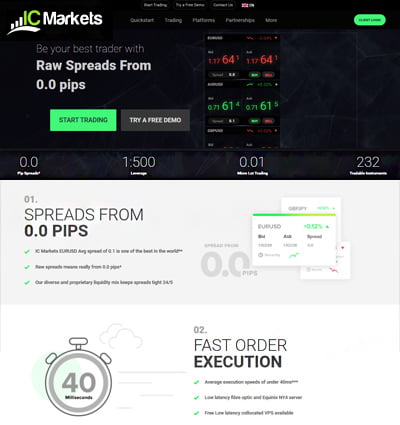
IC Markets stands out for its high performance trading platforms like MT4, MT5, cTrader, and TradingView, ensuring swift trade execution with an average latency of just 40ms. Its tight spreads across various instruments, including Forex and cryptocurrencies, make it an ideal choice for those of us looking to maximize returns. With features tailored for sophisticated trading strategies, such as free low latency VPS and advanced automation options, IC Markets aligns well with the demanding needs of seasoned traders in Canada.

RoboForex
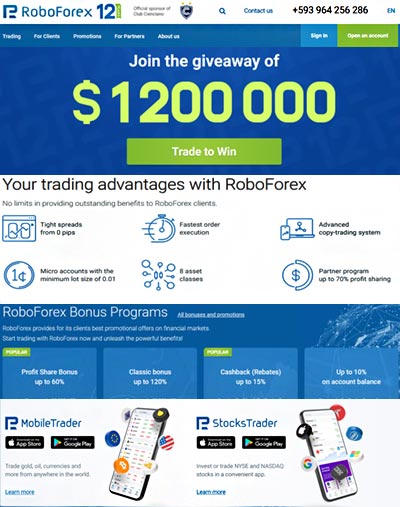
RoboForex caters to the Canadian market with its competitive spreads and high leverage, which are crucial for maximizing our investment returns. The platform's compatibility with MT4 and MT5 ensures a seamless trading experience, which is vital for executing trades efficiently. With a focus on providing flexible trading conditions and a user-friendly interface, RoboForex is a compelling option for traders in Canada looking to exploit rapid market movements, though it's important to be cautious of the increased risk that comes with high leverage.

XTB
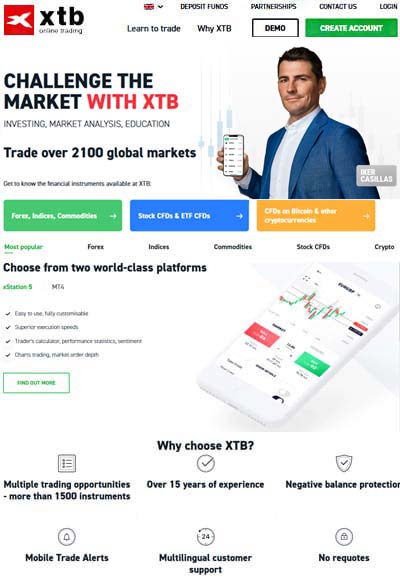
XTB offers an unparalleled suite of research tools and educational materials, catering to Canadian traders looking for deep market analysis and learning resources. With robust regulatory backing from FCA and CySEC, XTB provides a secure and trustworthy environment, making it an excellent choice for those of us in Canada seeking a platform that supports both our trading and educational needs.

XM
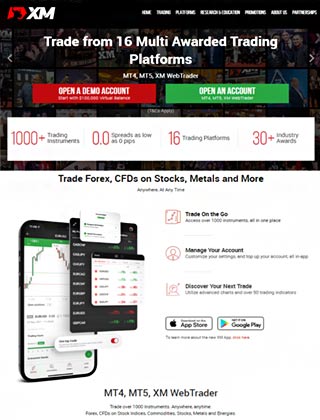
XM stands out for Canadian traders with its strong emphasis on customer support and a broad selection of trading instruments. Whether you're looking to trade Forex, stocks, or commodities, XM provides a versatile platform backed by regulatory authorities such as ASIC and CySEC, ensuring a high standard of trading practice in Canada.

Pepperstone

For Canadian traders prioritizing diversity in trading options and exceptional client service, Pepperstone offers a wide range of instruments, including Forex, CFDs, and cryptocurrencies. With regulatory oversight from FCA and ASIC, it's a platform that balances broad trading capabilities with the reassurance of strict regulatory standards, making it a reliable choice for Canadian traders.

AvaTrade
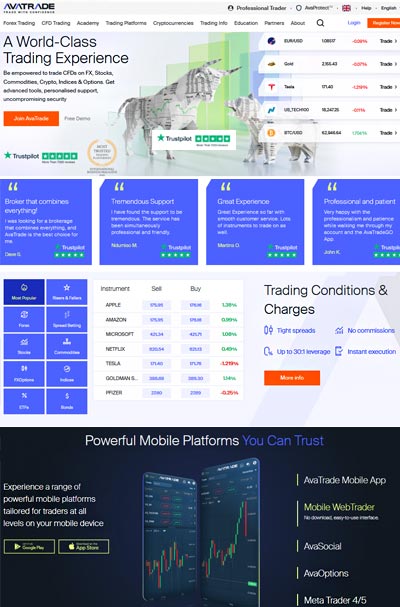
AvaTrade is particularly appealing for Canadian traders looking for flexibility and a community oriented trading experience. The platform provides a range of funding and withdrawal options, catering to various CFD trading preferences. Its mobile application, AvaTradeGo, and the social trading feature, AvaSocial, offer an engaging and convenient trading environment. The commission free structure allows for more profitable trading, making AvaTrade a top pick for those valuing a mix of community engagement and cost efficiency in Canada.

FP Markets
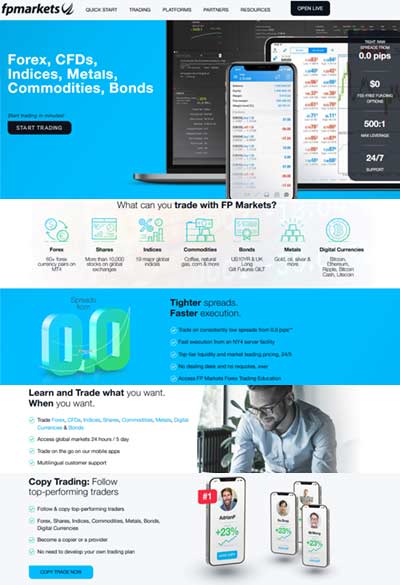
FP Markets integrates cutting edge technology with trading, offering Canadian traders an enhanced experience on MetaTrader platforms. The focus on optimizing trading performance through competitive spreads and a wide array of trading options positions FP Markets as an excellent choice for traders in Canada seeking technological sophistication coupled with cost efficiency. It's designed for those who demand precision and flexibility in their trading endeavors.

Features that Make Canadian Brokers Stand Out
Canadian brokers are known for their reliability and innovation. The most important features include advanced trading platforms, comprehensive research tools, and responsive customer service. Many brokers also offer demo accounts, which help traders test strategies risk-free before committing real funds. This combination of features ensures confident and efficient trading.
Trading Costs and Transparency For Canadian Brokers
One of the things I appreciate about Canadian brokers is their commitment to transparency. They clearly outline trading fees, including commissions, spreads, and account maintenance costs. Knowing exactly what I'm paying helps manage expenses and focus on maximizing returns.

Education and Support for Traders In Canada
As a trader, continuous learning is essential. Many Canadian brokers offer educational resources such as webinars, tutorials, and market analysis to keep traders informed. Customer support teams are also highly responsive, ensuring any issues are resolved quickly.

Canadian Brokers Verdict
From my personal experience, choosing between Canadian brokers comes down to a few key factors such as my goals, regulation, platform reliability, and available services. Canadian brokers offer a wide range of options, making it easier for both beginners and experienced traders to find a suitable platform.
The right Canadian broker for me depends on my trading style and risk tolerance. Strong regulation across Canadian brokers gives confidence, but I still compare fees and features carefully. During recent economic events like Bank of Canada interest rate announcements and inflation reports, I noticed increased market volatility, which made execution speed and low costs from Canadian brokers even more important.
As an active trader, I rely on Canadian brokers that offer low commissions and stable platforms during fast markets. Long term investors I know prefer Canadian brokers with strong research tools and portfolio guidance, especially after market swings caused by global conflicts and changes in oil prices.
Choosing the right broker is crucial for successful investing in Canada's diverse markets. Whether you're interested in Exchange Traded Funds (ETFs), individual stocks, currency trading between CAD and USD, or the burgeoning sector of artificial intelligence (AI), it's important to research and compare brokers that best suit your investment goals. Useful resources like Canadian ETF, Canadian stock brokers, Canadian vs USD currency, and Canadian AI stocks can provide insightful comparisons and analyses, helping you make an informed decision.

We have conducted extensive research and analysis on over multiple data points on Canada Brokers to present you with a comprehensive guide that can help you find the most suitable Canada Brokers. Below we shortlist what we think are the best canadian brokers after careful consideration and evaluation. We hope this list will assist you in making an informed decision when researching Canada Brokers.
Trading in Canada
When trading in Canada you will need to chec what your options with your Canada trading broker are.
We list below the various regulated trading account types available to traders in Canada. If you are looking for a trading platform or broker in Canada that are suitable for trading in Forex, CFD's, indices, stocks, and ETFs, Cryptocurrencies (availability subject to regulation) or commodity markets; this Canada broker guide will explain the things you should check and be aware of before you invest.
Forex Trading in Canada
You've probably noticed how Forex trading is really taking off in Canada, right? Over the past half-dozen years or so, the trading volume in Canada has been on a steady climb. It's like everyone in Canada is getting in on the action. But traders in Canada must understand the risks.
Across the world $7.5 trillion USD in volume is traded every single day. Commodities global trading volume is around $380 million USD a day. Global stock markets trading volume is around 460 million USD a day.
Modern software, more affordable mobile devices in Canada and higher internet uptake in Canada has increased competition for new trading clients among brokerages in Canada, which has opened Forex trading to a new audience.
Is Forex Trading Legal in Canada?
There's this common myth floating around that diving into Forex trading in Canada is illegal, this is not the case, but Forex trading in Canada is risky. Forex trading in Canada is not a get rich quick scheme, you will be competing with people not just in Canada, but all over the world. The key, though, is to be smart about it. You have to choose a broker in Canada that's not just reputable but also strictly regulated and allowed to offer services to traders in Canada.
Trading in Forex is allowed in Canada as businesses dealing internationally must exchange currency. Forex is an integral part of import and export in Canada and investing internationally. Canada Forex trading is not banned, their are many top-notch international online brokers available to traders in Canada offering regulated trading environments.
Do Forex Traders Pay Tax in Canada?
Once a traders profits reach a level where the income on the Forex trading can be taxed in Canada the trader should make sure all taxes owed for a financial year are paid. Just a heads up about the tax situation here in Canada. You've must file taxes in Canada even if the markets chewed you up and you spat out losses this year. Also in Canada you can't claim any trading losses against your personal income taxes, unfortunately. Don't just wing it - get yourself some solid advice from a qualified tax pro in Canada who knows the ins and outs of the tax labyrinth in Canada. In Canada, Islamic accounts are not restricted.
Cryptocurrencies in Canada
Here in Canada, the crypto scene is still pretty new, and cryptocurrency in Canada is getting more and more tangled up in the local financial regulatory rule in Canada. The thing about cryptos is, they operate on this decentralized model, right? So, unlike our traditional currency markets in Canada, they're not as rattled by interest rate shifts or the political drama in Canada that's always on the news. Crypto in Canada is a different beast altogether.
You know, with the surge of younger traders in Canada, who are not only tech-savvy but also starting to speculate with decent money in Canada, there's a noticeable shift happening in Canada towards the crypto market (which is highly volitle and high risk in Canada). Cryptocurrency traders in Canada contribute to the $20 billion USD worth of Bitcoin is traded daily around the world.
Commodity Trading in Canada
In Canada commodity trading includes the trade in precious metals, energies and agricultural commodities.
Some commodities like metals are seeing exponential growth in Canada since 2002.
Fast growing countries like China and India have been growing rapidly over the last 3 decades. This has meant that countries like China and India have a vast requirement for many basic commodities and raw materials for their populations. Crops to feed people and metal to build infrastructure for example. This means countries like Canada are able to take advantage of this demand.
We list brokers that allow you to trade commodities in Canada here.
Islamic Accounts in Canada
Canada brokers support Islamic accounts or swap-free accounts. Canada Islamic accounts have no rollover interest on overnight positions to comply the Muslim faith. Traders of Islamic faith are forbidden to pay interest. Brokers in Canada offer accounts that are suitable for Islamic traders. These Canada brokers complies with Sharia law.
Benefits of Trading in Canada
Canada economy and population is growing. The middle class population in Canada is increasing which means a growing consumer base. Many business and financial opportunities exist in Canada. Canada has a young population educated in technology and the internet.
Concerns of Trading in Canada
Canada digitisation of financial trading has made it easier to defraud unsuspecting investors across the internet. Make sure the broker you trade with is regulated and passes the checklist in this Canada guide. Educate yourself as much as possible open a demo account if necessary be you open a live trading account.
Learn about leverage when trading. Canada Brokers offering high leverage trades in Canada can mean high profit margins. But this goes both was it can also mean huge losses. There are things like negative balance protection and stop loss accounts which some Canada brokers offer as a level of protection. you can learn more about further below on this guide.
Reputable Canadian Brokers Checklist
Selecting a reliable and reputable online Canadian trading brokerage involves assessing their track record, regulatory status, customer support, processing times, international presence, and language capabilities. Considering these factors, you can make an informed decision and trade Canadian more confidently.
Selecting the right online Canadian trading brokerage requires careful consideration of several critical factors. Here are some essential points to keep in mind:
- Ensure your chosen Canadian broker has a solid track record of at least two years in the industry.
- Verify that the Canadian broker has a customer support team of at least 15 members responsive to queries and concerns.
- Check if the Canadian broker operates under the regulatory framework of a jurisdiction that can hold it accountable for any misconduct or resolve disputes fairly and impartially.
- Ensure that the Canadian broker can process deposits and withdrawals within two to three days, which is crucial when you need to access your funds quickly.
- Look for Canadian brokers with an international presence in multiple countries, offering its clients local seminars and training programs.
- Ensure the Canadian broker can hire staff from diverse locations worldwide who can communicate fluently in your local language.
It is not essential that your brokerage is local but they must have regulation from a Tier 1 reputable country. In fact the brokers international regulation could be more reputable than your local region.
When deciding to trade and find a suitable Canadian broker if you wish your broker to be 100% local check they are governed and regulated by the below.
- British Columbia Securities Commission (BCSC)
- Canadian Investor Protection Fund (CIPF)
- Financial Transactions and Reports Analysis Center of Canada (FINTRAC)
- Investment Industry Regulatory Organization of Canada (IIROC)
- Ontario Securities Commission (OSC)
- Ombudsman of Banking Services and Investments (OBSI)
- The Cayman Islands Monetary Authority (CIMA)
Our team have listed brokers that match your criteria for you below. All brokerage data has been summarised into a comparison table. Scroll down.
Compare Key Features of Canadian Brokers in Our Brokerage Comparison Table
When choosing a broker for canadian trading, it's essential to compare the different options available to you. Our canadian brokerage comparison table below allows you to compare several important features side by side, making it easier to make an informed choice.
- Minimum deposit requirement for opening an account with each canadian broker.
- The funding methods available for canadian with each broker.
- The types of instruments you can trade with each canadian broker, such as forex, stocks, commodities, and indices.
- The trading platforms each canadian broker provides, including their features, ease of use, and compatibility with your devices.
- The spread type (if applicable) for each canadian broker affects the cost of trading.
- The level of customer support each canadian broker offers, including their availability, responsiveness, and quality of service.
- Whether each canadian broker offers Micro, Standard, VIP, or Islamic accounts to suit your trading style and preferences.
By comparing these essential features, you can choose a canadian broker that best suits your needs and preferences for canadian. Our canadian broker comparison table simplifies the process, allowing you to make a more informed decision.
Top 15 Canadian Brokers of 2026 compared
Here are the top Canadian Brokers (CA).
Compare canadian brokers for min deposits, funding, used by, benefits, account types, platforms, and support levels. When searching for a canadian broker, it's crucial to compare several factors to choose the right one for your canadian needs. Our comparison tool allows you to compare the essential features side by side.
All brokers below are canadian brokers. Learn more about what they offer below.
You can scroll left and right on the comparison table below to see more canadian brokers that accept canadian clients.
| Broker |
XTB
|
FP Markets

|
SpreadEx

|
EasyMarkets

|
FXPrimus

|
forexmart

|
Eightcap

|
ForTrade

|
IB

|
Forex.com

|
IG

|
|---|---|---|---|---|---|---|---|---|---|---|---|
| Rating | |||||||||||
| locality | XTB accept Canadian clients | FP Markets accept Canadian clients | SpreadEx accept Canadian clients | easyMarkets accept Canadian clients | FXPrimus accept Canadian clients | ForexMart accept Canadian clients | Eightcap accept Canadian clients | ForTrade accept Canadian clients | Interactive Brokers accept Canadian clients | Forex.com accept Canadian clients | IG accept Canadian clients |
| Regulation | FCA (Financial Conduct Authority reference 522157) XTB Limited, CySEC (Cyprus Securities and Exchange Commission reference 169/12), DFSA (Dubai Financial Services Authority XTB MENA Limited licensed 8 July 2021), FSA (Financial Services Authority Seychelles license number SD148), FSCA (Financial Sector Conduct Authority XTB Africa (Pty) Ltd licensed 10 August 2021), KNF (Komisja Nadzoru Finansowego Polish Financial Supervision Authority) | CySEC (Cyprus Securities and Exchange Commission) (371/18), ASIC AFS (Australian Securities and Investments Commission) (286354), FSP (Financial Sector Conduct Authority in South Africa) (50926), Financial Services Authority Seychelles (FSA) (SD 130) | FCA (Financial Conduct Authority) (190941), Gambling Commission (Great Britain) (8835), licence in Ireland as remote bookmaker for fixed odds betting licence number 1016176 | Easy Forex Trading Ltd is regulated by CySEC (License 079/07). This is the only entity that onboards EU clients. easyMarkets Pty Ltd is regulated by ASIC (AFS License 246566), EF Worldwide Ltd (Seychelles) is regulated by FSA (License SD056), EF Worldwide Ltd (British Virgin Islands) is regulated by FSC (License SIBA/L/20/1135), EF Worldwide (PTY) Ltd is regulated by FSCA (License 54018) | VFSC (Vanuatu Financial Services Commission) (14595), CySEC (Cyprus Securities and Exchange Commission) (261/14) | Instant Trading EU Ltd CySEC (Cyprus Securities and Exchange Commission) (266/15), Finateqs Corp (Belize Registration No. 137723 incorporated but not regulated) | SCB (Securities Commission of The Bahamas) (SIA-F220), ASIC (Australian Securities and Investments Commission) (391441), FCA (Financial Conduct Authority) (921296), CySEC (Cyprus Securities and Exchange Commission) (246/14) | FCA (Financial Conduct Authority) (609970), CIRO (Canadian Investment Regulatory Organization) (BC1148613), ASIC (Australian Securities and Investments Commission) (493520), CySEC (Cyprus Securities and Exchange Commission) (385/20), FSC (Financial Services Commission, Mauritius) (GB21026472) | NYSE (New York Stock Exchange), FINRA (Financial Industry Regulatory Authority), SIPC (Securities Investor Protection Corporation), CIRO (Canadian Investment Regulatory Organization), FCA (Financial Conduct Authority) (208159), CBI (Central Bank of Ireland) (C423427), ASIC (Australian Securities and Investments Commission) (453554), SEHK (Securities and Futures Commission, Hong Kong), MAS (Monetary Authority of Singapore) (CMS100917) | FCA (Financial Conduct Authority) (446717) StoneX Financial Ltd, CFTC (Commodity Futures Trading Commission), NFA (National Futures Association) (0339826), ASIC (Australian Securities and Investments Commission) (345646) StoneX Financial Pty Ltd, MAS (Monetary Authority of Singapore) (StoneX Financial Pte. Ltd.), FSA (Financial Services Agency, Japan) (StoneX Financial Co., Ltd.), CIMA (Cayman Islands Monetary Authority) (25033) GAIN Global Markets Inc | FCA (Financial Conduct Authority) (195355) IG Markets Limited, BaFin (German Federal Financial Supervisory Authority), FINMA (Swiss Financial Market Supervisory Authority), DFSA (Dubai Financial Services Authority), FSCA (Financial Sector Conduct Authority, South Africa), MAS (Monetary Authority of Singapore), JFSA (Japanese Financial Services Agency), ASIC (Australian Securities and Investments Commission), FMA (Financial Markets Authority, New Zealand), CFTC (Commodity Futures Trading Commission), BMA (Bermuda Monetary Authority) |
| Min Deposit | No minimum deposit | 100 | No minimum deposit | 25 | 15 | 15 | 100 | 100 | No minimum deposit | 100 | No minimum deposit |
| Funding |
|
|
|
|
|
|
|
|
|
|
|
| Used By | 2,000,000+ | 200,000+ | 60,000+ | 250,000+ | 5,000,000+ | 10,000+ | 80,000+ | 1,000,000+ | 3,120,000+ | 454,000+ | 313,000+ |
| Benefits |
|
|
|
|
|
|
|
|
|
|
|
| Accounts |
|
|
|
|
|
|
|
|
|
|
|
| Platforms | MT4, Mirror Trader, Web Trader, Tablet, Mobile Apps, iOS (App Store), Android (Google Play) | MT4, MT5, TradingView, cTrader, WebTrader, Mobile Trader, Mobile Apps, iOS (App Store), Android (Google Play) | Web, Mobile Apps, iOS (App Store), Android (Google Play), iPad App, iPhone App, TradingView | easyMarkets App, Mobile Apps, iOS (App Store), Android (Google Play), Web Platform, TradingView, MT4, MT5 | WebTrader, MT4, MT5, cTrader, Mobile Apps, iOS (App Store), Android (Google Play) | Web Trading, MT4, Mobile Apps, iOS (App Store), Android (Google Play) | TradingView, MT5, MT4, WebTrader, Mobile Apps, iOS (App Store), Android (Google Play) | Fortrader, MT4, Mobile Apps, iOS (App Store), Android (Google Play) | IBKR GlobalTrader, IBKR Desktop, IBKR Mobile, Trader Workstation (TWS), IBKR APIs, IBKR ForecastTrader, IMPACT, Mobile Apps, iOS (App Store), Android (Google Play) | Mobile Apps, iOS (App Store), Android (Google Play), WebTrader, MT4, MT5, TradingView | MT4, ProRealTime, L2 Dealer, Mobile Trading APIs, Web Platform, Mobile Trading, Apple App iOS, Android Google Play |
| Support |
|
|
|
|
|
|
|
|
|
|
|
| Learn More |
Sign
Up with xtb |
Sign
Up with fpmarkets |
Sign
Up with spreadex |
Sign
Up with easymarkets |
Sign
Up with fxprimus |
Sign
Up with forexmart |
Sign
Up with eightcap |
Sign
Up with fortrade |
Sign
Up with interactivebrokers |
Sign
Up with forexcom |
Sign
Up with ig |
| Risk Warning | 69% - 80% of retail investor accounts lose money when trading CFDs with this provider. You should consider whether you understand how CFDs work and whether you can afford to take the high risk of losing your money. | Losses can exceed deposits | 62% of retail CFD accounts lose money | 76% of retail investor accounts lose money when trading CFDs with this provider. | Losses can exceed deposits | Your capital is at risk | Losses can exceed deposits | Your capital is at risk | Losses can exceed deposits | CFDs are complex instruments and come with a high risk of losing money rapidly due to leverage. 77% of retail investor accounts lose money when trading CFDs with this provider. You should consider whether you understand how CFDs work and whether you can afford to take the high risk of losing your money. | Spread bets and CFDs are complex instruments and come with a high risk of losing money rapidly due to leverage. 76% of retail investor accounts lose money when trading spread bets and CFDs with this provider. You should consider whether you understand how spread bets and CFDs work, and whether you can afford to take the high risk of losing your money. |
| Demo |
XTB Demo |
FP Markets Demo |
SpreadEx Demo |
easyMarkets Demo |
FXPrimus Demo |
ForexMart Demo |
Eightcap Demo |
ForTrade Demo |
Interactive Brokers Demo |
Forex.com Demo |
IG Demo |
| Excluded Countries | US, IN, PK, BD, NG , ID, BE, AU | US, JP, NZ | US, TR | US, IL, BC, MB, QC, ON, AF, BY, BI, KH, KY, TD, KM, CG, CU, CD, GQ, ER, FJ, GN, GW, HT, IR, IQ, LA, LY, MZ, MM, NI, KP, PW, PA, RU, SO, SS, SD, SY, TT, TM, VU, VE, YE | AF, CI, CU, IQ, IR, LY, MM, KR, SD, PR, US, AU, SY, DZ, JP, EC. | RU | US | US | US | BE | US, BE, FR, IN, IL, PL, ZW |
All Canadian brokers in more detail
You can compare Canadian Brokers ratings, min deposits what the the broker offers, funding methods, platforms, spread types, customer support options, regulation and account types side by side.
We also have an indepth Top Canadian Brokers for 2026 article further below. You can see it now by clicking here
We have listed top Canadian brokers below.
Canadian Brokers Table of Contents
- Financial Markets in Canada
- Online Trading in Canada
- Forex Trading in Canada
- Is Forex Trading Legal in Canada
- Do Forex Traders Pay Tax in Canada
- Cryptocurrencies in Canada
- Commodity Trading in Canada
- Islamic Accounts in Canada
- Benefits of Trading in Canada
- Concerns of Trading in Canada
- Canadian Brokers Explained
- 6 Factors to Consider when Choosing Canadian Brokers
- Are Your Canadian Brokers Trusted And Established?
- Are The Canadian Brokers World Leading?
- What are the Canadian Brokers Commissions and Fees?
- What are the Canadian Brokers Funding and Withdrawl Methods?
- Find Canadian Brokers with Round-the-clock support?
- Make sure the Canadian Brokers Offer Comprehensive Trader resources?
- Why Canadian Brokers needs to be regulated?
- Canadian Brokers FAQ
- What are the best Canadian brokers?
- What is the best Canadian broker?
- Is Forex Trading Legal in Canada?
- Do Forex Traders Pay Tax in Canada?
- How do you trade Forex or CFDs in Canada?
- Related Canadian Brokers Reviews
- Related Canadian Brokers Alternatives
- Related Canadian Brokers Comparisons
Canadian Brokers Explained
Trading volatile financial markets with Canadian Brokers can be challenging, even for experienced traders. In addition to the online educational resources available, traders should consider the platform offered by Canadian Brokers to ensure a successful trading experience.
Selecting Canadian Brokers at the forefront of innovation and considered an industry leader is crucial. Doing so will ensure you are equipped with the tools and features to navigate volatile Canadian markets effectively.
Reliability is key to gaining access to financial markets. Look for Canadian Brokers that you can rely on to provide a stable and secure trading environment, allowing you to execute trades with Canadian Brokers confidently.
6 Factors to Consider when Choosing Canadian Brokers
Follow these five rules for selecting Canadian Brokers that are right for you:
Are Your Canadian Brokers Trusted And Established?
Search for a reputable Canadian Brokers with a extensive proven track record for Canadian, enabling you to focus solely on implementing your trading strategy and navigating the markets with confidence. The top rated Canadian broker is XTB. Established in 2002, and in operation for 24 years XTB have a head office in Poland.
XTB is regulated. This means XTB are supervised by and is checked for conduct by FCA (Financial Conduct Authority reference 522157) XTB Limited, CySEC (Cyprus Securities and Exchange Commission reference 169/12), DFSA (Dubai Financial Services Authority XTB MENA Limited licensed 8 July 2021), FSA (Financial Services Authority Seychelles license number SD148), FSCA (Financial Sector Conduct Authority XTB Africa (Pty) Ltd licensed 10 August 2021), KNF (Komisja Nadzoru Finansowego Polish Financial Supervision Authority) regulatory bodies.
Another top rated broker is FP Markets.
FP Markets was established 2005, and in operation for 21 years FP Markets have a head office in Australia.
FP Markets is regulated. This means FP Markets are supervised by and is checked for conduct by FCA (Financial Conduct Authority reference 522157) XTB Limited, CySEC (Cyprus Securities and Exchange Commission reference 169/12), DFSA (Dubai Financial Services Authority XTB MENA Limited licensed 8 July 2021), FSA (Financial Services Authority Seychelles license number SD148), FSCA (Financial Sector Conduct Authority XTB Africa (Pty) Ltd licensed 10 August 2021), KNF (Komisja Nadzoru Finansowego Polish Financial Supervision Authority) regulatory bodies.
| Broker |
XTB
|
FP Markets
|
SpreadEx
|
EasyMarkets
|
FXPrimus
|
forexmart
|
Eightcap
|
ForTrade
|
|---|---|---|---|---|---|---|---|---|
| Year Established | 2002 | 2005 | 1999 | 2001 | 2009 | 2015 | 2015 | 2014 |
| Head Office | Poland | Australia | UK | Cyprus, Australia | Cyprus | Cyprus | Australia | UK |
| Regulation | FCA (Financial Conduct Authority reference 522157) XTB Limited, CySEC (Cyprus Securities and Exchange Commission reference 169/12), DFSA (Dubai Financial Services Authority XTB MENA Limited licensed 8 July 2021), FSA (Financial Services Authority Seychelles license number SD148), FSCA (Financial Sector Conduct Authority XTB Africa (Pty) Ltd licensed 10 August 2021), KNF (Komisja Nadzoru Finansowego Polish Financial Supervision Authority) | CySEC (Cyprus Securities and Exchange Commission) (371/18), ASIC AFS (Australian Securities and Investments Commission) (286354), FSP (Financial Sector Conduct Authority in South Africa) (50926), Financial Services Authority Seychelles (FSA) (SD 130) | FCA (Financial Conduct Authority) (190941), Gambling Commission (Great Britain) (8835), licence in Ireland as remote bookmaker for fixed odds betting licence number 1016176 | Easy Forex Trading Ltd is regulated by CySEC (License 079/07). This is the only entity that onboards EU clients. easyMarkets Pty Ltd is regulated by ASIC (AFS License 246566), EF Worldwide Ltd (Seychelles) is regulated by FSA (License SD056), EF Worldwide Ltd (British Virgin Islands) is regulated by FSC (License SIBA/L/20/1135), EF Worldwide (PTY) Ltd is regulated by FSCA (License 54018) | VFSC (Vanuatu Financial Services Commission) (14595), CySEC (Cyprus Securities and Exchange Commission) (261/14) | Instant Trading EU Ltd CySEC (Cyprus Securities and Exchange Commission) (266/15), Finateqs Corp (Belize Registration No. 137723 incorporated but not regulated) | SCB (Securities Commission of The Bahamas) (SIA-F220), ASIC (Australian Securities and Investments Commission) (391441), FCA (Financial Conduct Authority) (921296), CySEC (Cyprus Securities and Exchange Commission) (246/14) | FCA (Financial Conduct Authority) (609970), CIRO (Canadian Investment Regulatory Organization) (BC1148613), ASIC (Australian Securities and Investments Commission) (493520), CySEC (Cyprus Securities and Exchange Commission) (385/20), FSC (Financial Services Commission, Mauritius) (GB21026472) |
| Used By | 2,000,000+ | 200,000+ | 60,000+ | 250,000+ | 5,000,000+ | 10,000+ | 80,000+ | 1,000,000+ |
| Negative balance protection | Yes | Yes | Yes | Yes | Yes | Yes | Yes | Yes |
| Guaranteed Stop Loss | No | No | No | Yes | No | No | No | No |
| Learn More | Visit XTB | Visit FP Markets | Visit SpreadEx | Visit easyMarkets | Visit FXPrimus | Visit ForexMart | Visit Eightcap | Visit ForTrade |
| Risk Warning | 69% - 80% of retail investor accounts lose money when trading CFDs with this provider. You should consider whether you understand how CFDs work and whether you can afford to take the high risk of losing your money. | Losses can exceed deposits | 62% of retail CFD accounts lose money | 76% of retail investor accounts lose money when trading CFDs with this provider. | Losses can exceed deposits | Your capital is at risk | Losses can exceed deposits | Your capital is at risk |
Are The Canadian Brokers World Leading?
Opt for Canadian Brokers that set themselves apart as an industry leader by actively embracing innovation. Take XTB as an example, which is renowned for Segregates clients funds and boasts an extensive array of 10900 tradable instruments. Moreover, XTB caters to the needs of its clients with both an online trading platform and a mobile application, making it incredibly convenient to access the markets from anywhere, at any time.
In addition, the XTB platform enables access to a variety of financial markets worldwide. XTB is a world-leader when it comes to innovation and they are always looking at ways to improve and to maintain their competitive advantage.
Another good choice when looking for Canadian Brokers is FP Markets. FP Markets Segregates clients funds and offers over 10000 instruments.
| Broker |
XTB
|
FP Markets
|
SpreadEx
|
EasyMarkets
|
FXPrimus
|
forexmart
|
Eightcap
|
ForTrade
|
|---|---|---|---|---|---|---|---|---|
| Instruments Available | 10900 | 10000 | 10000 | 275 | 1000 | 328 | 800 | 500 |
| Platforms | MT4, Mirror Trader, Web Trader, Tablet, Mobile Apps, iOS (App Store), Android (Google Play) | MT4, MT5, TradingView, cTrader, WebTrader, Mobile Trader, Mobile Apps, iOS (App Store), Android (Google Play) | Web, Mobile Apps, iOS (App Store), Android (Google Play), iPad App, iPhone App, TradingView | easyMarkets App, Mobile Apps, iOS (App Store), Android (Google Play), Web Platform, TradingView, MT4, MT5 | WebTrader, MT4, MT5, cTrader, Mobile Apps, iOS (App Store), Android (Google Play) | Web Trading, MT4, Mobile Apps, iOS (App Store), Android (Google Play) | TradingView, MT5, MT4, WebTrader, Mobile Apps, iOS (App Store), Android (Google Play) | Fortrader, MT4, Mobile Apps, iOS (App Store), Android (Google Play) |
| Excluded Countries | US, AU, CA, JP, KR, KP, SG, MU, IL, TR, IN, PK, BA, ET, UG, CU, SY, BD, NG, ID, BE, LY, MO, KE, YE, VU, GY, CD, CG, AF, LA, MZ, IQ, IR | US, JP, NZ | US | US, IL, BC, MB, QC, ON, AF, BY, BI, KH, KY, TD, KM, CG, CU, CD, GQ, ER, FJ, GN, GW, HT, IR, IQ, LA, LY, MZ, MM, NI, KP, PW, PA, RU, SO, SS, SD, SY, TT, TM, VU, VE, YE | AF, CI, CU, IQ, IR, LY, MM, KR, SD, PR,US, AU, SY, DZ, JP, EC. | RU | US | US |
| Forex pairs offered | 69 | 70 | 60 | 136 | 45 | 65 | 56 | 50 |
| Major forex pairs | Yes | Yes | Yes | Yes | Yes | Yes | Yes | Yes |
| Minor forex pairs | Yes | Yes | Yes | Yes | Yes | No | Yes | Yes |
| Exotic forex pairs | Yes | Yes | Yes | Yes | Yes | No | Yes | Yes |
| Cryptocurrencies (availability subject to regulation) | No | Yes | Yes | Yes | No | Yes | No | Yes |
| Commodities Offered | 27 | 29 | 31 | 18 | 20 | 7 | 16 | 20 |
| Metals | Yes | Yes | Yes | Yes | Yes | Yes | Yes | |
| Energies | Yes | Yes | Yes | Yes | Yes | Yes | Yes | |
| Agricultural | Yes | Yes | Yes | Yes | No | Yes | No | |
| Stocks Offered | 6617 | 10000 | 3000 | 275 | 1200 | 256 | 660 | 200 |
| UK Shares | Yes | Yes | Yes | Yes | Yes | Yes | No | |
| US Shares | Yes | Yes | Yes | Yes | Yes | No | No | |
| German Shares | Yes | Yes | Yes | Yes | No | No | Yes | |
| Japanese Shares | Yes | Yes | Yes | Yes | No | No | Yes |
What are the Canadian Brokers Commissions and Fees?
Ensure that your broker is transparent with fees and those dues are competitive.
The best rated Canadian broker XTB offers competitive offers for Forex, CFDs, Cryptocurrency. XTB minimum deposit is 0.
Another top rated Canadian broker FP Markets offers Forex, CFDs, Bonds. FP Markets minimum deposit is 100. Please note that any cryptocurrency availability with any broker is subject to regulation.
| Broker |
XTB
|
FP Markets
|
SpreadEx
|
EasyMarkets
|
FXPrimus
|
forexmart
|
Eightcap
|
ForTrade
|
|---|---|---|---|---|---|---|---|---|
| Min Deposit | 0 | 100 | 0 | 25 | 15 | 15 | 100 | 100 |
| Withdrawl Fees | Yes | No | No | No | No | No | No | No |
| Inactivity Fees | Yes | No | No | No | Yes | Yes | No | Yes |
| Deposit Fees | No | No | No | No | Varies | No | No | No |
| CFD Commission Fees | Yes | Yes | No | No | No | Yes | Yes |
What are the Canadian Brokers Funding and Withdrawal Methods?
Efficient and hassle-free funding and withdrawal facilities can significantly improve your overall trading experience when dealing with Canadian Brokers. It streamlines the trading process and helps you focus on making informed decisions rather than worrying about deposit and withdrawal matters with Canadian Brokers.
| Broker |
XTB
|
FP Markets
|
SpreadEx
|
EasyMarkets
|
FXPrimus
|
forexmart
|
Eightcap
|
ForTrade
|
|---|---|---|---|---|---|---|---|---|
| Bank transfer | Yes | Yes | Yes | Yes | Yes | Yes | Yes | Yes |
| Credit Cards | Yes | Yes | Yes | Yes | Yes | Yes | Yes | Yes |
| Paypal | Yes | Yes | No | No | No | No | No | Yes |
| Skrill | Yes | Yes | Yes | Yes | No | Yes | No | No |
| Payoneer | Yes | No | Yes | No | Yes | No | Yes | Yes |
| Neteller | Yes | Yes | No | Yes | Yes | Yes | No | Yes |
Find Canadian Brokers with Round-the-clock support?
Effective customer service is an essential factor to consider when dealing with Canadian Brokers.
Canadian Brokers customer service entails various support services to aid customers in making the most cost-effective and appropriate use of the brokers' services.
The customer support options offered by Canadian Brokers can include phone answering services, live chat support, and email customer service support.
XTB support a wide range of languages including English, Spanish, Czech, Chinese, German, French, Italian, Polish, Portuguese, Romanian, Slovenian, and Turkish
FP Markets support a wide range of languages including English, Arabic, Indonesian, Italian, Spanish, French, Russian, Chinese, Japanese, German, Portuguese, Thai, French, Malay, Greek, Vietnamese, Romanian, Turkish, Slovenian, Dutch, Polish, Finnish, Norwegian, Swedish, Serbian, Lithuanian, Hungarian, Galician, Estonian, Danish, Czech, Croatian, Bulgarian, Basque
XTB and FP Markets offer support where clients are able to call or contact the helpdesk via email or a chat service.
| Broker |
XTB
|
FP Markets
|
SpreadEx
|
EasyMarkets
|
FXPrimus
|
forexmart
|
Eightcap
|
ForTrade
|
|---|---|---|---|---|---|---|---|---|
| Support |
|
|
|
|
|
|
|
|
| Languages | English, Spanish, Czech, Chinese, German, French, Italian, Polish, Portuguese, Romanian, Slovenian, and Turkish | English, Arabic, Indonesian, Italian, Spanish, French, Russian, Chinese, Japanese, German, Portuguese, Thai, French, Malay, Greek, Vietnamese, Romanian, Turkish, Slovenian, Dutch, Polish, Finnish, Norwegian, Swedish, Serbian, Lithuanian, Hungarian, Galician, Estonian, Danish, Czech, Croatian, Bulgarian, Basque | English | English, German, Arabic, Chinese, Spanish and Polish | English, Spanish, Indonesian, Chinese, Thai, Vietnamese, Hungarian, and Malaysian | English, Spanish, Czech, Chinese, German, French, Italian, Polish, Portuguese, Romanian, Slovenian,Hindi, Hebrew, Arabic, Russian | English, and Chinese | English, German, Spanish, French, Croatian, Italian, Dutch, Polish, Portuguese, Slovene, Swedish, Russian, Arabic, Albanian, Macedonian |
| Learn More | Visit XTB | Visit FP Markets | Visit SpreadEx | Visit easyMarkets | Visit FXPrimus | Visit ForexMart | Visit Eightcap | Visit ForTrade |
| Risk Warning | 69% - 80% of retail investor accounts lose money when trading CFDs with this provider. You should consider whether you understand how CFDs work and whether you can afford to take the high risk of losing your money. | Losses can exceed deposits | 62% of retail CFD accounts lose money | 76% of retail investor accounts lose money when trading CFDs with this provider. | Losses can exceed deposits | Your capital is at risk | Losses can exceed deposits | Your capital is at risk |
Make sure the Canadian Brokers Offer Comprehensive Trader resources?
It's important to ensure your Canadian Brokers provide complimentary resources such as analysis, education, and risk management tools. XTB and FP Markets collaborate with top analysts to bring the most up-to-date news and insights to traders.
Sound risk and money management are vital to financial market navigation with Canadian Brokers. However, selecting the best broker to access the markets is a critical step that traders should not overlook as they embark on trading live financial markets with Canadian Brokers.
Why Canadian Brokers needs to be regulated?
Regulated Canadian Brokers lowers your risk of loss of deposited trading funds.
Lowering your risk is one of the benefits of working with a properly regulated Canadian Brokers.
Consumers are protected by Canadian Brokers regulation, critical to preventing inadequate services and potential financial harm.
Regulation of Canadian Brokers is necessary to prevent fraud. The Canadian Brokers working capital and client-funded accounts must be kept separate to avoid conducting business with client funds. Any fraudulent behaviour with Canadian Brokers is monitored by financial regulators in the jurisdictions brokers are allowed to operate.
Canadian Brokers List
Funding methods
Bank transfer Credit Card PaypalPlatforms
MT4, Mirror Trader, Web Trader, Tablet, Mobile Apps, iOS (App Store), Android (Google Play)Customer support
Live chat Phone support Email supportAccount Types
Micro account Standard account ECN accountIslamic account VIP account
Funding methods
Bank transfer Credit Card PaypalPlatforms
MT4, MT5, TradingView, cTrader, WebTrader, Mobile Trader, Mobile Apps, iOS (App Store), Android (Google Play)Customer support
Live chat Phone support Email supportAccount Types
Micro account Standard account ECN accountIslamic account VIP account
Funding methods
Bank transfer Credit Card PaypalPlatforms
Web, Mobile Apps, iOS (App Store), Android (Google Play), iPad App, iPhone App, TradingViewCustomer support
Live chat Phone support Email supportAccount Types
Micro account Standard account ECN accountIslamic account VIP account
Funding methods
Bank transfer Credit Card PaypalPlatforms
easyMarkets App, Mobile Apps, iOS (App Store), Android (Google Play), Web Platform, TradingView, MT4, MT5Customer support
Live chat Phone support Email supportAccount Types
Micro account Standard account ECN accountIslamic account VIP account
Funding methods
Bank transfer Credit Card PaypalPlatforms
WebTrader, MT4, MT5, cTrader, Mobile Apps, iOS (App Store), Android (Google Play)Customer support
Live chat Phone support Email supportAccount Types
Micro account Standard account ECN accountIslamic account VIP account
Funding methods
Bank transfer Credit Card PaypalPlatforms
Web Trading, MT4, Mobile Apps, iOS (App Store), Android (Google Play)Customer support
Live chat Phone support Email supportAccount Types
Micro account Standard account ECN accountIslamic account VIP account
Funding methods
Bank transfer Credit Card PaypalPlatforms
TradingView, MT5, MT4, WebTrader, Mobile Apps, iOS (App Store), Android (Google Play)Customer support
Live chat Phone support Email supportAccount Types
Micro account Standard account ECN accountIslamic account VIP account
Funding methods
Bank transfer Credit Card PaypalPlatforms
Fortrader, MT4, Mobile Apps, iOS (App Store), Android (Google Play)Customer support
Live chat Phone support Email supportAccount Types
Micro account Standard account ECN accountIslamic account VIP account
Funding methods
Bank transfer Credit Card PaypalPlatforms
IBKR GlobalTrader, IBKR Desktop, IBKR Mobile, Trader Workstation (TWS), IBKR APIs, IBKR ForecastTrader, IMPACT, Mobile Apps, iOS (App Store), Android (Google Play)Customer support
Live chat Phone support Email supportAccount Types
Micro account Standard account ECN accountIslamic account VIP account
Funding methods
Bank transfer Credit Card PaypalPlatforms
Mobile Apps, iOS (App Store), Android (Google Play), WebTrader, MT4, MT5, TradingViewCustomer support
Live chat Phone support Email supportAccount Types
Micro account Standard account ECN accountIslamic account VIP account
Funding methods
Bank transfer Credit Card PaypalPlatforms
MT4, ProRealTime, L2 Dealer, Mobile Trading APIs, Web Platform, Mobile Trading, Apple App iOS, Android Google PlayCustomer support
Live chat Phone support Email supportAccount Types
Micro account Standard account ECN accountIslamic account VIP account

Learn more
69% - 80% of retail investor accounts lose money when trading CFDs with this provider. You should consider whether you understand how CFDs work and whether you can afford to take the high risk of losing your money.

69% - 80% of retail investor accounts lose money when trading CFDs with this provider. You should consider whether you understand how CFDs work and whether you can afford to take the high risk of losing your money.