Best High Leverage Brokers Europe for 2026
We found 11 online brokers that are appropriate for Trading Best High Leverage Brokers Europe Platforms.
Best High Leverage Brokers Europe Guide
Analysis by Andrew Blumer, Updated Last updated – March 25, 2026
European High Leverage Brokers

When I first explored trading with European brokers, I quickly realized how powerful leverage could be. It gave me the chance to control much larger positions in the market with only a fraction of the capital I would normally need. This opened doors to opportunities I wouldn’t have accessed otherwise, but it also became clear that greater profit potential comes hand in hand with greater risk. High leverage can magnify returns, but it can just as easily magnify losses if not managed carefully.
Unlike brokers in other regions, I noticed that in Europe leverage is capped due to ESMA regulations. For major forex pairs the maximum allowed leverage is 1:30, for non major currency pairs, gold, and indices it is 1:20, and for individual stocks it is 1:5. For example, when I traded EUR/USD with a European broker, a balance of just €100 allowed me to open a position worth €3,000 at 1:30 leverage. In another case, I traded gold at 1:20 leverage, and a €200 margin gave me exposure to €4,000 worth of the metal. These rules may seem restrictive compared to offshore brokers, but they are designed to protect traders from blowing up accounts too quickly.
Across Europe, leverage remains a cornerstone of CFD trading, enabling traders to participate in the markets with a relatively small initial deposit, also known as margin. This makes trading more accessible, especially for those who want to maximize their exposure without committing their full capital upfront. At the same time, it demands a disciplined approach and an understanding of how fast market conditions can turn against you when leverage is involved. I still remember trading GBP/JPY around a Bank of England announcement; even at 1:30 leverage, the sharp move against my position nearly wiped out the margin I had set aside.
For European traders, the appeal of leverage lies in its ability to amplify market presence. By working through a regulated broker that applies these limits, you can still expand your stake in financial assets, control larger positions, and potentially multiply gains. But the reality is that the same tool that can boost profits can also accelerate losses. The key is balancing opportunity with caution. In my own journey, cent accounts with limited leverage helped me build discipline before moving on to larger accounts. That balance of protection and opportunity makes the European framework both a safeguard and a challenge in the trading landscape.

Highest European Leverage Brokers
When selecting a broker in Europe, leverage plays a crucial role in determining how much exposure you can gain in different markets. Some brokers provide significantly higher leverage than others, giving traders more flexibility but also increasing the risks involved. Your capital is at risk up to 88% of traders lose money when trading CFDs, so understanding leverage levels is essential before committing funds.
| Broker | Broker Name | Stocks Leverage | Commodities Leverage | Forex Leverage | Crypto Leverage |
|---|---|---|---|---|---|

|
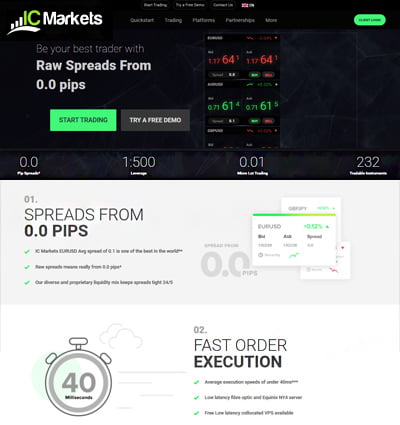
IC Markets | Up to 1:50 | Up to 1:200 | Up to 1:500 | Up to 1:5 |
|
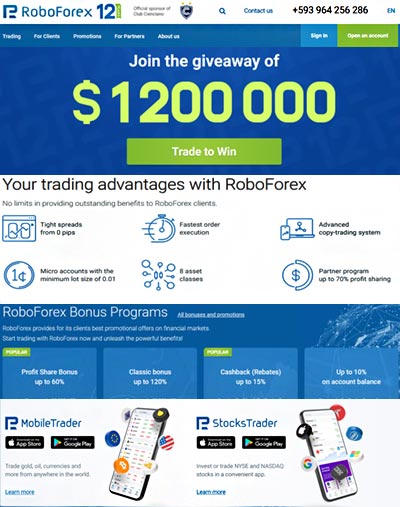
RoboForex | Up to 1:20 | Up to 1:100 | Up to 1:2000 | Up to 1:50 |
|
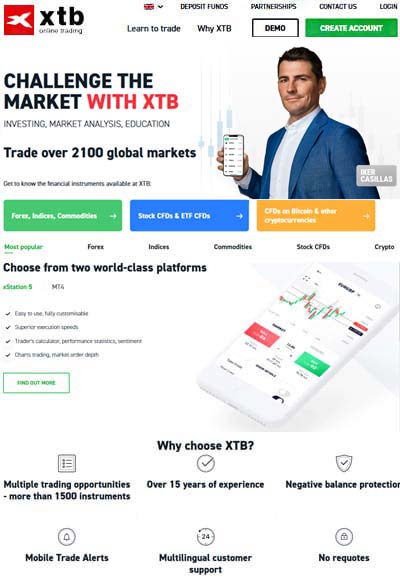
XTB | Up to 1:5 | Up to 1:10 | Up to 1:30 | Up to 1:5 |
|
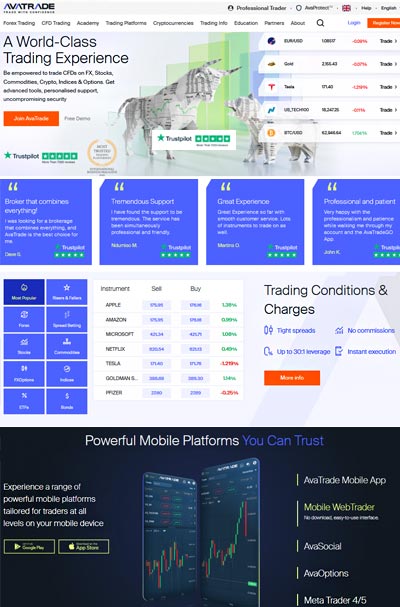
AvaTrade | Up to 1:30 | Up to 1:100 | Up to 1:400 | Up to 1:500 |
|
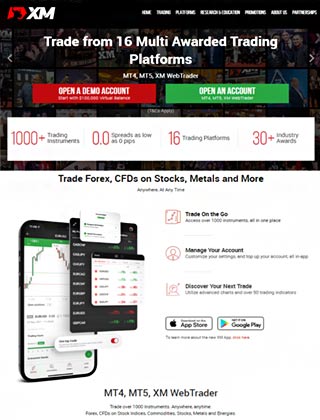
XM | Up to 1:5 | Up to 1:20 | Up to 1:30 | Up to 1:5 |
This comparison shows how leverage varies greatly between brokers in Europe. IC Markets and AvaTrade offer some of the highest leverage for forex and crypto trading, while XTB and XM provide more conservative limits that may appeal to risk conscious traders. Before choosing a broker, consider not only the maximum leverage available but also your own risk tolerance, trading experience, and long term goals.
What High Leverage Means on European Broker Platforms
When I first started trading with European brokers, I quickly saw how high leverage could turn small deposits into positions that felt much bigger than my account size. For example, with €200 in my account and leverage set at 1:30, I was able to open a €6,000 position on EUR/USD during the recent European Central Bank (ECB) press conference. The move went in my favor at first, and even a small 0.5% price change gave me a profit that felt big compared to my initial margin. But when the price reversed suddenly, the losses also multiplied quickly, reminding me how easily high leverage can cut both ways.
On European broker platforms, leverage remains capped by ESMA rules major currency pairs go up to 1:30, gold and indices up to 1:20, and individual stocks up to 1:5. I learned this the hard way when I tried trading gold around the U.S. inflation report last month. With 1:20 leverage, my €250 margin gave me exposure to €5,000 worth of gold. When the numbers came in hotter than expected, gold dropped fast and my position was down more than €100 in just minutes. That trade taught me that while leverage opens opportunities, it also demands strict stop losses and discipline.
High leverage trading, especially with CFDs (Contracts for Difference), means I’m borrowing funds from the broker to take bigger positions. I never actually owned the gold or the euros I was only speculating on their price movements. This speculative setup can be exciting, but it is also dangerous. When crypto markets spiked earlier this year, I opened a small leveraged position in Bitcoin with 1:2 leverage, and the sudden weekend volatility caused a gap that nearly wiped out the margin. Even with lower leverage compared to forex, the risk was still real because of how fast prices moved.
Leverage allows me to maximize exposure with minimal capital, but I also know from experience that brokers hold my margin as collateral. One time, trading GBP/JPY around the Bank of England’s unexpected rate announcement, the pair moved against me so quickly that I got a margin call before I had the chance to close the trade. That moment highlighted why risk management tools like stop losses are not optional. Without them, high leverage on European platforms can become more of a liability than an advantage.
Why High Leverage Is Riskier Than Regular Investing with Brokers in Europe
High leverage on European trading platforms is far riskier than traditional investing. While it allows me to control positions much larger than my initial deposit, it also means I am exposed to amplified losses. Trading with borrowed capital means the account balance can swing rapidly, and if I’m not careful, losses can exceed what I expected in just a short time. This is very different from long term stock investing, where growth or loss happens gradually over months or years.
Borrowed Capital Increases Exposure on Cent Accounts
When I trade with leverage, I am borrowing money from my broker to magnify exposure. During the recent EUR/USD volatility, even a 0.5% move against me meant my account equity dropped by nearly 15% because of the 1:30 multiplier. On the flip side, I once caught a move on USD/CHF after the Swiss National Bank’s surprise intervention, and the profit on that single trade felt like it tripled my small deposit. These swings taught me that leverage is powerful, but it punishes mistakes as quickly as it rewards success.
Risk Across Multiple Assets with European Leverage Limits
High leverage in Europe isn’t just for forex. I used it on crude oil CFDs when tensions rose in the Middle East. With 1:20 leverage, my €300 margin gave me access to a €6,000 position. Oil spiked on the headlines, and I made a quick profit, but the very next day a reversal wiped out nearly half of it. The same happened when I tried trading Tesla stock with 1:5 leverage. The swings were smaller, but even then a 3% drop in Tesla translated into a much bigger percentage loss on my small account.
Multiplier Effect on Profits and Losses
The multiplier effect of leverage is what makes it thrilling and dangerous at the same time. A 1:30 leverage ratio means that just a 1% market movement can equal a 30% gain or a 30% loss. I experienced this during a trade on GBP/USD around the latest inflation numbers in the UK. The pair moved sharply by less than 1%, but with leverage applied, my entire day’s trading plan was thrown off within minutes. That kind of sensitivity simply doesn’t exist with long term stock investments, which move far more gradually.
Retail Investor Vulnerability with High Leverage
As a retail trader, I’ve seen how easy it is to underestimate leverage. I once ignored my own stop loss on EUR/JPY, hoping the market would turn back, but with 1:30 leverage, the position collapsed so fast that I lost nearly my full balance. It’s a lesson I won’t forget. High leverage in Europe gives opportunities to amplify small accounts, but it also makes retail investors highly vulnerable if they trade emotionally or without proper risk management. For me, the biggest takeaway is that leverage should be treated with respect it can open doors, but it can just as quickly close them if not handled with care.
IC Markets: Popular High Leverage Broker with Low Fees and Risk Management Tools
IC Markets is one of the most well regarded high leverage brokers in Europe, known for combining strong trading conditions with competitive fees. The broker provides leverage up to 1:500 on certain instruments, enabling traders to expand their market exposure. While offshore platforms may advertise even higher leverage ratios, such as 1:3000, these are typically unregulated and pose significant risks. European traders are better served by regulated brokers like IC Markets, where leverage can still be powerful but is managed within a safer, more transparent framework.
One of the biggest advantages of IC Markets is its low cost trading environment. The broker is known for tight spreads, low commissions on ECN accounts, and transparent overnight financing costs. Like other CFD brokers, leveraged positions held overnight incur swap fees, and trades carried over the weekend are subject to a higher “triple swap,” reflecting the cost of carrying leverage for multiple days. These costs remain among the most competitive in the industry, making IC Markets a cost effective choice for both retail and professional traders in Europe.
Beyond affordability, IC Markets offers a full suite of risk management tools on MT4 and MT5. Traders can protect positions with stop loss and take profit orders, use trailing stops for dynamic risk adjustment, and monitor account health through real time margin alerts. These features help mitigate the amplified risks that come with leverage, especially during periods of market volatility. Professional traders may qualify for higher leverage limits than retail clients, but both groups are encouraged to use proper money management to avoid overexposure.
By combining high leverage, low fees, and advanced risk management features, IC Markets stands out as one of the most popular and practical platforms for European traders who want to balance opportunity with safety. However, traders should always remember that leverage amplifies both profits and losses, and success depends heavily on disciplined strategy and sound risk control.
Regulation of High Leverage Brokers in Europe

High leverage brokers in Europe must be regulated to ensure transparency, security, and investor protection. Oversight is provided by institutions such as the European Securities and Markets Authority (ESMA), the European Banking Authority (EBA), and the European Systemic Risk Board (ESRB). In addition, national regulators play crucial roles. For example, in Germany, there is BaFin, and in Spain there is CNMV. Regulation is critical because some offshore brokers offering extreme leverage ratios are not bound to provide protections like negative balance protection, leaving traders at greater risk.
In Europe, regulated brokers are authorized to provide leveraged CFD trading on assets such as forex, stocks, commodities, and cryptocurrencies. The broker effectively lends funds in proportion to the size of the position, amplifying both profits and potential losses. This is why ESMA mandates strict limits on retail leverage and enforces safeguards to reduce the risk of total account wipeouts risks that remain alarmingly high, with many retail accounts losing money. Choosing a properly regulated European broker ensures compliance with investor protection rules and reduces exposure to unnecessary risk when trading with leverage.
Check Before Using High Leverage in Europe
From my own experience, high leverage can amplify both profits and losses, and this reality hit me hard during a EUR/USD trade last year. I opened a position with €200 at 1:30 leverage, giving me exposure to €6,000. At first, a 0.3% move in my favor gave me nearly €18 profit in minutes, which felt exciting. But when the market suddenly reversed on unexpected U.S. job data, the same trade quickly turned into a €40 loss 20% of my account gone in less than an hour. Without discipline, accounts can be depleted quickly, making risk management tools like stop loss orders and margin monitoring essential. Knowledge and emotional control are equally important, as impulsive decisions can magnify losses in leveraged trading.
Understanding the Risks
Leverage allows traders like me to control larger positions with a smaller deposit, but this magnification cuts both ways. A single adverse market move can wipe out more than your initial investment. For example, when I traded gold during an inflation announcement, my €250 deposit at 1:20 leverage gave me exposure to €5,000. Within minutes, gold dropped by 1%, and my position was down €50 almost a quarter of my margin. That loss taught me that leverage is not free money; it is borrowed exposure that comes with obligations. For beginners, learning how leverage works and fully understanding the broker’s terms is critical before committing real capital.
Matching Leverage to Strategy
I discovered that the leverage ratio should align with your trading style. When I tried day trading GBP/JPY around a Bank of England press release, I used the maximum 1:30 leverage allowed in Europe. The volatility was so intense that a 0.5% move almost triggered a margin call. Later, I experimented with longer term trades on European stocks at only 1:5 leverage, and the positions felt more manageable. Long term investors rarely need high leverage, while short term traders may use it to capitalize on small price movements. However, higher leverage always raises the risk of rapid losses, making it vital to determine how much you can afford to risk before entering a trade.
Choosing the Right Markets
Not all markets are suitable for high leverage. Volatile assets like cryptocurrencies can trigger margin calls quickly. I once tried trading Bitcoin with 1:2 leverage, thinking it was low, but the market dropped 5% overnight, and my account was nearly wiped. By contrast, trading EUR/USD with moderate leverage felt safer because the price moves were smaller and more predictable. Beginners are better off starting with lower leverage ratios and gradually increasing exposure as they gain experience and develop stronger risk management habits.
Benefits of High Leverage Trading for European Traders
From a practical standpoint, high leverage allows European traders to control larger positions than their deposits would normally permit. By borrowing funds from a broker, I was able to increase my market exposure and multiply both my profits and losses. When used carefully, this became a tool that expanded my trading opportunities. However, it also magnified my mistakes, making proper risk management crucial every step of the way.
Increased Buying Power
With leverage, I was able to purchase assets at a value far greater than my deposit. For example, I once used €500 with 1:30 leverage to control €15,000 worth of EUR/USD. A small 1% move gave me €150 profit, which felt substantial compared to my margin. But I also experienced the reverse when the market dipped by 1%, I lost €150 just as quickly. This expanded buying power is exciting but also dangerous, and it reinforced to me that leverage is a double edged sword.
Profit Potential with a Proper Strategy
When I had a clear plan, leverage helped me maximize profits. During a short term rally in crude oil, I used 1:20 leverage on a €300 margin, giving me €6,000 exposure. Oil rose by 2% in one day, and I made around €120 something that would have been impossible with my small deposit alone. But I also remember a losing trade on Tesla stock at 1:5 leverage. A 4% drop wiped out €100 of my balance in hours. The same tool that amplifies gains can quickly drain accounts if mismanaged.
High leverage trading offers significant opportunities for disciplined European traders who understand market dynamics. Success depends on choosing the right leverage ratio, applying effective risk management, and respecting the risks. When executed carefully, leverage allows access to profits that would otherwise be out of reach, but misuse can just as quickly result in substantial financial losses.
Considerations for Beginner European Traders Using High Leverage
From my journey, I learned that high leverage investing is generally not suitable for beginners. While it can increase profits, it can also magnify losses to the point of wiping out accounts in minutes. I once ignored my stop loss on EUR/JPY, and within half an hour my balance was almost gone. European beginners must understand that leverage can even lead to debt if trades go against them. Without discipline, strong risk management, and experience, profitability is highly unlikely in the long run.
Leverage in Europe is expressed as a ratio, showing how much exposure is borrowed compared to your deposit. For example, when I used 1:10 leverage with €200, I controlled €2,000 in the market. A 2% move in my favor gave me €40, but a 2% move against me took the same amount away just as quickly. Beginners should focus on learning margin requirements, stop loss settings, and hedging techniques before committing significant funds. Practicing with a demo account or cent account is invaluable before using real capital.
High leverage is often used by experienced traders to capture short term price movements in volatile markets. While it offers the chance to outperform standard investing, I’ve learned that beginners must approach it slowly. Starting with low ratios, testing strategies on demo accounts, and treating every trade as a learning experience can make the difference between survival and blowing up an account. Leverage is powerful, but only if handled with patience and respect for the risks.
How to Open a High Leverage Trading Account in Europe
Understand the Risks
High leverage accounts allow European traders to control larger positions with less capital, but they also significantly increase risk. This type of trading is not suitable for beginners and should not be treated as a get rich quick scheme. Traders must fully understand how much they can afford to lose and apply strict risk management strategies.
Meeting Deposit and Margin Requirements
To open a high leverage account, European traders must meet the broker’s minimum deposit requirement, which typically ranges from $0 to $650 or more. Brokers may also require a minimum margin to initiate trades. Most traders do not use their entire account as margin; instead, they should allocate a portion based on experience and risk tolerance. Properly managing margin helps prevent large losses and margin calls.
Practical Tips for Beginners
Start with smaller positions and stable assets, and always set stop loss orders to protect your account. Gradually increase leverage only as you gain experience and confidence. Understanding the rules of your European broker and how leverage affects both profits and losses is essential before opening a high leverage trading account.
Funding European High Leverage Trading Accounts
European brokers offering high leverage accounts provide a wide range of deposit and withdrawal options to suit different preferences. These include traditional bank transfers, credit/debit cards, e wallets, digital payments, and cryptocurrencies.
Complete Funding Options
| AdvCash | Alipay | Amazon Pay | American Express Card |
| AndroidPay | Apple Pay | Ayden | Bank Transfer |
| Barclaycard Payments | BigPay | BitPay | Bitcoin, Ethereum, XRP |
| Boku | BPAY | Credit Cards | Debit Cards |
| Discover Card | DotPay | dragonpay | FairPay |
| fasapay | Finrax | Giropay | Google Pay |
| iDeal | JCB Card | Klarna | Kuapay |
| Maestro | Mastercard | Microsoft Pay | MoneyGram |
| MPesa | Neteller | Paylivre | Payoneer |
| PayPal | Paysafe | PayTrust | Perfect Money |
| POLi | Qiwi | Rapid Transfer | Rupee Payments |
| SafeCharge | SafetyPay | SamsungPay | Skrill |
| SOFORT | STICPAY | Trustly | Venmo |
| Visa Card | Volt | WalletOne | WebMoney |
| WebPay | Western Union | Wire Transfer |
European High Leverage Brokers With Demo Accounts
Practice Without Risk
Before investing real money, European traders should try a high leverage demo account. These accounts use simulated funds, so mistakes won’t cost anything. Demo accounts help traders practice price action and market reactions in volatile European markets safely.
Understand Risk Management Tools
High leverage trading carries significant risk, which can wipe out funds quickly. Using risk management tools like stop loss, take profit, and limit orders on demo accounts allows European traders to learn how to protect their capital before trading live.
Learn the Market and Leverage Strategies
European traders should familiarize themselves with market dynamics and the risk management tools provided by their broker. Many platforms offer market analysis, back testing, real time risk reporting, and educational resources such as tutorials and guides. Staying informed about market news helps traders make better decisions and manage risk effectively.
Start Small and Build Experience
Begin with a small amount of capital and practice using demo accounts to develop strategies and emotional discipline. European traders can simulate trading CFDs on stocks, commodities, and currencies, gaining experience in leverage management and risk control before committing real funds. Demo accounts are essential for mastering leveraged trading safely.
European High Leverage Brokers Verdict

High leverage trading in Europe offers the potential for significant returns, but it comes with equally significant risks. From my experience, the key to success lies in combining knowledge, discipline, and the right tools. Leveraged trading amplifies both gains and losses, so it is essential to start with demo accounts, understand risk management tools, and practice strategies before committing real funds.
Choosing a reputable, regulated broker like IC Markets ensures access to competitive leverage, risk management features, and educational resources. Proper use of leverage, combined with a carefully developed strategy, allows European traders to increase market exposure while protecting capital.
For beginners, high leverage trading should be approached cautiously. Start small, learn to control emotions, and never risk more than you can afford to lose. Experienced traders, on the other hand, can take advantage of higher leverage to amplify returns but only with disciplined risk management and continuous market monitoring.
European high leverage trading can be a powerful tool when used correctly. By focusing on education, practice, and a solid strategy, traders can harness leverage to explore opportunities across stocks, forex, commodities, and cryptocurrencies, while minimizing the inherent risks.
We have conducted extensive research and analysis on over multiple data points on Best High Leverage Brokers Europe to present you with a comprehensive guide that can help you find the most suitable Best High Leverage Brokers Europe. Below we shortlist what we think are the best Best High Leverage Brokers Europe Trading Platforms after careful consideration and evaluation. We hope this list will assist you in making an informed decision when researching Best High Leverage Brokers Europe.
Reputable High Leverage Brokers Europe Checklist
Selecting a reliable and reputable online Best High Leverage Brokers Europe Trading Platforms trading brokerage involves assessing their track record, regulatory status, customer support, processing times, international presence, and language capabilities. Considering these factors, you can make an informed decision and trade Best High Leverage Brokers Europe Trading Platforms more confidently.
Selecting the right online Best High Leverage Brokers Europe Trading Platforms trading brokerage requires careful consideration of several critical factors. Here are some essential points to keep in mind:
- Ensure your chosen Best High Leverage Brokers Europe Trading Platforms broker has a solid track record of at least two years in the industry.
- Verify that the Best High Leverage Brokers Europe Trading Platforms broker has a customer support team of at least 15 members responsive to queries and concerns.
- Check if the Best High Leverage Brokers Europe Trading Platforms broker operates under the regulatory framework of a jurisdiction that can hold it accountable for any misconduct or resolve disputes fairly and impartially.
- Ensure that the Best High Leverage Brokers Europe Trading Platforms broker can process deposits and withdrawals within two to three days, which is crucial when you need to access your funds quickly.
- Look for Best High Leverage Brokers Europe Trading Platforms brokers with an international presence in multiple countries, offering its clients local seminars and training programs.
- Ensure the Best High Leverage Brokers Europe Trading Platforms broker can hire staff from diverse locations worldwide who can communicate fluently in your local language.
Our team have listed brokers that match your criteria for you below. All brokerage data has been summarised into a comparison table. Scroll down.
Compare Key Features of Best High Leverage Brokers Europe Trading Platforms in Our Brokerage Comparison Table
When choosing a broker for Best High Leverage Brokers Europe Trading Platforms trading, it's essential to compare the different options available to you. Our Best High Leverage Brokers Europe Trading Platforms brokerage comparison table below allows you to compare several important features side by side, making it easier to make an informed choice.
- Minimum deposit requirement for opening an account with each Best High Leverage Brokers Europe Trading Platforms broker.
- The funding methods available for Best High Leverage Brokers Europe Trading Platforms with each broker.
- The types of instruments you can trade with each Best High Leverage Brokers Europe Trading Platforms broker, such as forex, stocks, commodities, and indices.
- The trading platforms each Best High Leverage Brokers Europe Trading Platforms broker provides, including their features, ease of use, and compatibility with your devices.
- The spread type (if applicable) for each Best High Leverage Brokers Europe Trading Platforms broker affects the cost of trading.
- The level of customer support each Best High Leverage Brokers Europe Trading Platforms broker offers, including their availability, responsiveness, and quality of service.
- Whether each Best High Leverage Brokers Europe Trading Platforms broker offers Micro, Standard, VIP, or Islamic accounts to suit your trading style and preferences.
By comparing these essential features, you can choose a Best High Leverage Brokers Europe Trading Platforms broker that best suits your needs and preferences for Best High Leverage Brokers Europe Trading Platforms. Our Best High Leverage Brokers Europe Trading Platforms broker comparison table simplifies the process, allowing you to make a more informed decision.
Top 15 Best High Leverage Brokers Europe Trading Platforms of 2026 compared
Here are the top Best High Leverage Brokers Europe Trading Platforms.
Compare Best High Leverage Brokers Europe Trading Platforms brokers for min deposits, funding, used by, benefits, account types, platforms, and support levels. When searching for a Best High Leverage Brokers Europe Trading Platforms broker, it's crucial to compare several factors to choose the right one for your Best High Leverage Brokers Europe Trading Platforms needs. Our comparison tool allows you to compare the essential features side by side.
All brokers below are Best High Leverage Brokers Europe Trading Platforms. Learn more about what they offer below.
You can scroll left and right on the comparison table below to see more Best High Leverage Brokers Europe Trading Platforms that accept Best High Leverage Brokers Europe Trading Platforms clients.
| Broker |
IC Markets
|
Roboforex

|
XTB
|
XM
|
Pepperstone

|
AvaTrade

|
FP Markets

|
EasyMarkets

|
SpreadEx
|
FXPro

|
Admiral

|
|---|---|---|---|---|---|---|---|---|---|---|---|
| Rating | |||||||||||
| Regulation | International Capital Markets Pty Ltd (Australia) (ASIC) Australian Securities & Investments Commission Licence No. 335692, Seychelles Financial Services Authority (FSA) (SD018), IC Markets (EU) Ltd (CySEC) Cyprus Securities and Exchange Commission with License No. 362/18, Capital Markets Authority(CMA) Kenya IC Markets (KE) Ltd, Securities Commission of The Bahamas (SCB) IC Markets (Bahamas) Ltd | RoboForex Ltd is authorised and regulated by the Financial Services Commission (FSC) of Belize under licence No. 000138/32, under the Securities Industry Act 2021, RoboForex Ltd is an (A category) member of The Financial Commission, also RoboForex Ltd is a participant of the Financial Commission Compensation Fund | FCA (Financial Conduct Authority reference 522157) XTB Limited, CySEC (Cyprus Securities and Exchange Commission reference 169/12), DFSA (Dubai Financial Services Authority XTB MENA Limited licensed 8 July 2021), FSA (Financial Services Authority Seychelles license number SD148), FSCA (Financial Sector Conduct Authority XTB Africa (Pty) Ltd licensed 10 August 2021), KNF (Komisja Nadzoru Finansowego Polish Financial Supervision Authority) | Financial Sector Conduct Authority (FSCA) (49976) XM ZA (Pty) Ltd, Financial Services Commission (FSC) (000261/27) XM Global Limited, Cyprus Securities and Exchange Commission (CySEC) (license 120/10) Trading Point of Financial Instruments Ltd, Australian Securities and Investments Commission (ASIC) (number 443670) Trading Point of Financial Instruments Pty Ltd | Financial Conduct Authority (FCA), Australian Securities and Investments Commission (ASIC), Cyprus Securities and Exchange Commission (CySEC), Federal Financial Supervisory Authority (BaFin), Dubai Financial Services Authority (DFSA), Capital Markets Authority of Kenya (CMA), Pepperstone Markets Limited is incorporated in The Bahamas (number 177174 B), Licensed by the Securities Commission of The Bahamas (SCB) number SIA-F217 | Australian Securities and Investments Commission (ASIC) Ava Capital Markets Australia Pty Ltd (406684), South African Financial Sector Conduct Authority (FSCA) Ava Capital Markets Pty Ltd (45984), Financial Services Agency (Japan FSA) Ava Trade Japan K.K. (1662), Financial Futures Association of Japan (FFAJ) Ava Trade Japan K.K. (1574), Abu Dhabi Global Markets (ADGM) / Financial Regulatory Services Authority (FRSA) Ava Trade Middle East Ltd (190018), Central Bank of Ireland (C53877) AVA Trade EU Ltd, Polish Financial Supervision Authority (KNF) AVA Trade EU Ltd (branch authorisation), British Virgin Islands Financial Services Commission (BVI) Ava Trade Markets Ltd (SIBA/L/13/1049), Israel Securities Authority (ISA) ATrade Ltd (514666577), Financial Superintendence of Colombia (SFC 0261 of 2024), Investment Industry Regulatory Organization of Canada through Friedberg Direct (IIROC) | CySEC (Cyprus Securities and Exchange Commission) (371/18), ASIC AFS (Australian Securities and Investments Commission) (286354), FSP (Financial Sector Conduct Authority in South Africa) (50926), Financial Services Authority Seychelles (FSA) (SD 130) | Easy Forex Trading Ltd is regulated by CySEC (License 079/07). This is the only entity that onboards EU clients. easyMarkets Pty Ltd is regulated by ASIC (AFS License 246566), EF Worldwide Ltd (Seychelles) is regulated by FSA (License SD056), EF Worldwide Ltd (British Virgin Islands) is regulated by FSC (License SIBA/L/20/1135), EF Worldwide (PTY) Ltd is regulated by FSCA (License 54018) | FCA (Financial Conduct Authority) (190941), Gambling Commission (Great Britain) (8835), licence in Ireland as remote bookmaker for fixed odds betting licence number 1016176 | FCA (Financial Conduct Authority) (509956), CySEC (Cyprus Securities and Exchange Commission) (078/07), FSCA (Financial Sector Conduct Authority) (45052), SCB (Securities Commission of The Bahamas) (SIA-F184), FSA (Financial Services Authority of Seychelles) (SD120) | Financial Conduct Authority (FCA) (Licence No. 595450), Cyprus Securities and Exchange Commission (CySEC) (Licence No. 201/13), Financial Services Authority of Seychelles (FSA) (Licence No. SD073), Estonian Financial Supervision Authority (EFSA) (Licence No. 4.1-1/46) |
| Min Deposit | 200 | 10 | No minimum deposit | 5 | No minimum deposit | 100 | 100 | 25 | No minimum deposit | 100 | 100 |
| Funding |
|
|
|
|
|
|
|
|
|
|
|
| Used By | 200,000+ | 730,000+ | 2,000,000+ | 15,000,000+ | 830,000+ | 400,000+ | 200,000+ | 250,000+ | 60,000+ | 11,200,000+ | 30,000+ |
| Benefits |
|
|
|
|
|
|
|
|
|
|
|
| Accounts |
|
|
|
|
|
|
|
|
|
|
|
| Platforms | MT5, MT4, MetaTrader WebTrader, Mobile Apps, iOS (App Store), Android (Google Play), MetaTrader iPhone/iPad, MetaTrader Android Google Play, MetaTrader Mac, cTrader, cTrader Web, cTrader iPhone/iPad, cTrader iMac, cTrader Android Google Play, cTrader Automate, cTrader Copy Trading, TradingView, Virtual Private Server, Trading Servers, MT4 Advanced Trading Tools, IC Insights, Trading Central | MT4, MT5, R Mobile Trader, R StocksTrader, WebTrader, Mobile Apps, iOS (App Store), Android (Google Play), Windows | MT4, Mirror Trader, Web Trader, Tablet, Mobile Apps, iOS (App Store), Android (Google Play) | MT5, MT5 WebTrader, XM Apple App for iPhone, XM App for Android Google Play, Tablet: MT5 for iPad, MT5 for Android Google Play, XM App for iPad, XM App for iOS (App Store), Android (Google Play), Mobile Apps | MT4, MT5, cTrader,WebTrader, TradingView, Windows, Mobile Apps, iOS (App Store), Android (Google Play) | MT4, MT5, Web Trading, AvaTrade App, AvaOptions, Mac Trading, AvaSocial, Mobile Apps, iOS (App Store), Android (Google Play) | MT4, MT5, TradingView, cTrader, WebTrader, Mobile Trader, Mobile Apps, iOS (App Store), Android (Google Play) | easyMarkets App, Mobile Apps, iOS (App Store), Android (Google Play), Web Platform, TradingView, MT4, MT5 | Web, Mobile Apps, iOS (App Store), Android (Google Play), iPad App, iPhone App, TradingView | MT4, MT5, cTrader, FxPro WebTrader, FxPro Mobile Apps, iOS (App Store), Android (Google Play) | MT5, MT4, MetaTrader WebTrader, Admirals Mobile Apps, iOS (App Store), Android (Google Play), Admirals Platform, StereoTrader |
| Support |
|
|
|
|
|
|
|
|
|
|
|
| Learn More |
Sign
Up with icmarkets |
Sign
Up with roboforex |
Sign
Up with xtb |
Sign
Up with xm |
Sign
Up with pepperstone |
Sign
Up with avatrade |
Sign
Up with fpmarkets |
Sign
Up with easymarkets |
Sign
Up with spreadex |
Sign
Up with fxpro |
Sign
Up with admiralmarkets |
| Risk Warning | Losses can exceed deposits | Losses can exceed deposits | 70% - 80% of retail investor accounts lose money when trading CFDs with this provider. You should consider whether you understand how CFDs work and whether you can afford to take the high risk of losing your money. | CFDs are complex instruments and come with a high risk of losing money rapidly due to leverage. 74.48% of retail investor accounts lose money when trading CFDs with this provider. You should consider whether you understand how CFDs work and whether you can afford to take the high risk of losing your money. | 72-95 % of retail investor accounts lose money when trading CFDs | 57% of retail investor accounts lose money when trading CFDs with this provider | Losses can exceed deposits | 76% of retail investor accounts lose money when trading CFDs with this provider. | 62% of retail CFD accounts lose money | 74% of retail investor accounts lose money when trading CFDs and Spread Betting with this provider | Losses can exceed deposits |
| Demo |
IC Markets Demo |
Roboforex Demo |
XTB Demo |
XM Demo |
Pepperstone Demo |
AvaTrade Demo |
FP Markets Demo |
easyMarkets Demo |
SpreadEx Demo |
FxPro Demo |
Admiral Markets Demo |
| Excluded Countries | US, IR, CA, NZ, JP | AU, BE, BQ, BR, CA, CW, CZ, DE, ES, EE, EU, FM, FR, FI, GW, ID, IR, JP, LR, MP, NL, PF, PL, RU, SE, SJ, SS, SL, SI, TL, TR, DO, US, IT, AT, PT, BG, HR, CY, DK, FL, GR, IE, LV, LT, MT, RO, SK, CH | US, IN, PK, BD, NG , ID, BE, AU | US, CA, IL, IR | AF, AS, AQ, AM, AZ, BY, BE, BZ, BT, BA, BI, CM, CA, CF, TD, CG, CI, ER, GF, PF, GP, GU, GN, GW, GY, HT, VA, IR, IQ, JP, KZ, LB, LR, LY, ML, MQ, YT, MZ, MM, NZ, NI, KP, PS, PR, RE, KN, LC, VC, WS, SO, GS, KR, SS, SD, SR, SY, TJ, TN, TM, TC, US, VU, VG, EH, ES, YE, ZW, ET | BE, BR, KP, NZ, TR, US, CA, SG | US, JP, NZ | US, IL, BC, MB, QC, ON, AF, BY, BI, KH, KY, TD, KM, CG, CU, CD, GQ, ER, FJ, GN, GW, HT, IR, IQ, LA, LY, MZ, MM, NI, KP, PW, PA, RU, SO, SS, SD, SY, TT, TM, VU, VE, YE | US, TR | US, CA, IR | US, CA, JP, SG, MY, JM, IR, TR |
All Best High Leverage Brokers Europe Trading Platforms in more detail
You can compare Best High Leverage Brokers Europe Trading Platforms ratings, min deposits what the the broker offers, funding methods, platforms, spread types, customer support options, regulation and account types side by side.
We also have an indepth Top Best High Leverage Brokers Europe Trading Platforms for 2026 article further below. You can see it now by clicking here
We have listed top Best High Leverage Brokers Europe Trading Platforms below.
Best High Leverage Brokers Europe Table of Contents
- Best High Leverage Brokers Europe Explained
- 6 Factors to Consider when Choosing Best High Leverage Brokers Europe
- Are Your Best High Leverage Brokers Europe Trusted And Established?
- Are The Best High Leverage Brokers Europe World Leading?
- What are the Best High Leverage Brokers Europe Commissions and Fees?
- What are the Best High Leverage Brokers Europe Funding and Withdrawl Methods?
- Find Best High Leverage Brokers Europe with Round-the-clock support?
- Make sure the Best High Leverage Brokers Europe Offer Comprehensive Trader resources?
- Why Best High Leverage Brokers Europe needs to be regulated?
- Best High Leverage Brokers Europe FAQ
- What are the best Best High Leverage Brokers Europe Trading Platforms brokers?
- What is the best Best High Leverage Brokers Europe Trading Platform broker?
- Related Best High Leverage Brokers Europe Reviews
- Related Best High Leverage Brokers Europe Alternatives
- Related Best High Leverage Brokers Europe Comparisons
Best High Leverage Brokers Europe Explained
Trading volatile financial markets with Best High Leverage Brokers Europe can be challenging, even for experienced traders. In addition to the online educational resources available, traders should consider the platform offered by Best High Leverage Brokers Europe to ensure a successful trading experience.
Selecting Best High Leverage Brokers Europe at the forefront of innovation and considered an industry leader is crucial. Doing so will ensure you are equipped with the tools and features to navigate volatile Best High Leverage Europe markets effectively.
Reliability is key to gaining access to financial markets. Look for Best High Leverage Brokers Europe that you can rely on to provide a stable and secure trading environment, allowing you to execute trades with Best High Leverage Brokers Europe confidently.
6 Factors to Consider when Choosing Best High Leverage Brokers Europe
Follow these five rules for selecting Best High Leverage Brokers Europe that are right for you:
Are Your Best High Leverage Brokers Europe Trusted And Established?
Search for a reputable Best High Leverage Brokers Europe with a extensive proven track record for Best High Leverage Europe, enabling you to focus solely on implementing your trading strategy and navigating the markets with confidence. The top rated Best High Leverage Europe broker is IC Markets. Established in 2007, and in operation for 19 years IC Markets have a head office in Australia.
IC Markets is regulated. This means IC Markets are supervised by and is checked for conduct by International Capital Markets Pty Ltd (Australia) (ASIC) Australian Securities & Investments Commission Licence No. 335692, Seychelles Financial Services Authority (FSA) (SD018), IC Markets (EU) Ltd (CySEC) Cyprus Securities and Exchange Commission with License No. 362/18, Capital Markets Authority(CMA) Kenya IC Markets (KE) Ltd, Securities Commission of The Bahamas (SCB) IC Markets (Bahamas) Ltd regulatory bodies.
Another top rated broker is Roboforex.
Roboforex was established 2009, and in operation for 17 years Roboforex have a head office in Belize.
Roboforex is regulated. This means Roboforex are supervised by and is checked for conduct by International Capital Markets Pty Ltd (Australia) (ASIC) Australian Securities & Investments Commission Licence No. 335692, Seychelles Financial Services Authority (FSA) (SD018), IC Markets (EU) Ltd (CySEC) Cyprus Securities and Exchange Commission with License No. 362/18, Capital Markets Authority(CMA) Kenya IC Markets (KE) Ltd, Securities Commission of The Bahamas (SCB) IC Markets (Bahamas) Ltd regulatory bodies.
| Broker |
IC Markets
|
Roboforex
|
XTB
|
XM
|
Pepperstone
|
AvaTrade
|
FP Markets
|
EasyMarkets
|
|---|---|---|---|---|---|---|---|---|
| Year Established | 2007 | 2009 | 2002 | 2009 | 2010 | 2006 | 2005 | 2001 |
| Head Office | Australia | Belize | Poland | Cyprus | Australia | Ireland | Australia | Cyprus, Australia |
| Regulation | International Capital Markets Pty Ltd (Australia) (ASIC) Australian Securities & Investments Commission Licence No. 335692, Seychelles Financial Services Authority (FSA) (SD018), IC Markets (EU) Ltd (CySEC) Cyprus Securities and Exchange Commission with License No. 362/18, Capital Markets Authority(CMA) Kenya IC Markets (KE) Ltd, Securities Commission of The Bahamas (SCB) IC Markets (Bahamas) Ltd | RoboForex Ltd is authorised and regulated by the Financial Services Commission (FSC) of Belize under licence No. 000138/32, under the Securities Industry Act 2021, RoboForex Ltd is an (A category) member of The Financial Commission, also RoboForex Ltd is a participant of the Financial Commission Compensation Fund | FCA (Financial Conduct Authority reference 522157) XTB Limited, CySEC (Cyprus Securities and Exchange Commission reference 169/12), DFSA (Dubai Financial Services Authority XTB MENA Limited licensed 8 July 2021), FSA (Financial Services Authority Seychelles license number SD148), FSCA (Financial Sector Conduct Authority XTB Africa (Pty) Ltd licensed 10 August 2021), KNF (Komisja Nadzoru Finansowego Polish Financial Supervision Authority) | Financial Sector Conduct Authority (FSCA) (49976) XM ZA (Pty) Ltd, Financial Services Commission (FSC) (000261/27) XM Global Limited, Cyprus Securities and Exchange Commission (CySEC) (license 120/10) Trading Point of Financial Instruments Ltd, Australian Securities and Investments Commission (ASIC) (number 443670) Trading Point of Financial Instruments Pty Ltd | Financial Conduct Authority (FCA), Australian Securities and Investments Commission (ASIC), Cyprus Securities and Exchange Commission (CySEC), Federal Financial Supervisory Authority (BaFin), Dubai Financial Services Authority (DFSA), Capital Markets Authority of Kenya (CMA), Pepperstone Markets Limited is incorporated in The Bahamas (number 177174 B), Licensed by the Securities Commission of The Bahamas (SCB) number SIA-F217 | Australian Securities and Investments Commission (ASIC) Ava Capital Markets Australia Pty Ltd (406684), South African Financial Sector Conduct Authority (FSCA) Ava Capital Markets Pty Ltd (45984), Financial Services Agency (Japan FSA) Ava Trade Japan K.K. (1662), Financial Futures Association of Japan (FFAJ) Ava Trade Japan K.K. (1574), Abu Dhabi Global Markets (ADGM) / Financial Regulatory Services Authority (FRSA) Ava Trade Middle East Ltd (190018), Central Bank of Ireland (C53877) AVA Trade EU Ltd, Polish Financial Supervision Authority (KNF) AVA Trade EU Ltd (branch authorisation), British Virgin Islands Financial Services Commission (BVI) Ava Trade Markets Ltd (SIBA/L/13/1049), Israel Securities Authority (ISA) ATrade Ltd (514666577), Financial Superintendence of Colombia (SFC 0261 of 2024), Investment Industry Regulatory Organization of Canada through Friedberg Direct (IIROC) | CySEC (Cyprus Securities and Exchange Commission) (371/18), ASIC AFS (Australian Securities and Investments Commission) (286354), FSP (Financial Sector Conduct Authority in South Africa) (50926), Financial Services Authority Seychelles (FSA) (SD 130) | Easy Forex Trading Ltd is regulated by CySEC (License 079/07). This is the only entity that onboards EU clients. easyMarkets Pty Ltd is regulated by ASIC (AFS License 246566), EF Worldwide Ltd (Seychelles) is regulated by FSA (License SD056), EF Worldwide Ltd (British Virgin Islands) is regulated by FSC (License SIBA/L/20/1135), EF Worldwide (PTY) Ltd is regulated by FSCA (License 54018) |
| Used By | 200,000+ | 730,000+ | 2,000,000+ | 15,000,000+ | 830,000+ | 400,000+ | 200,000+ | 250,000+ |
| Negative balance protection | Yes | Yes | Yes | Yes | Yes | Yes | Yes | Yes |
| Guaranteed Stop Loss | No | No | No | No | Yes | No | No | Yes |
| Learn More | Visit IC Markets | Visit Roboforex | Visit XTB | Visit XM | Visit Pepperstone | Visit AvaTrade | Visit FP Markets | Visit easyMarkets |
| Risk Warning | Losses can exceed deposits | Losses can exceed deposits | 70% - 80% of retail investor accounts lose money when trading CFDs with this provider. You should consider whether you understand how CFDs work and whether you can afford to take the high risk of losing your money. | CFDs are complex instruments and come with a high risk of losing money rapidly due to leverage. 74.48% of retail investor accounts lose money when trading CFDs with this provider. You should consider whether you understand how CFDs work and whether you can afford to take the high risk of losing your money. | 72-95 % of retail investor accounts lose money when trading CFDs | 57% of retail investor accounts lose money when trading CFDs with this provider | Losses can exceed deposits | 76% of retail investor accounts lose money when trading CFDs with this provider. |
Are The Best High Leverage Brokers Europe World Leading?
Opt for Best High Leverage Brokers Europe that set themselves apart as an industry leader by actively embracing innovation. Take IC Markets as an example, which is renowned for Segregates clients funds and boasts an extensive array of 2250 tradable instruments. Moreover, IC Markets caters to the needs of its clients with both an online trading platform and a mobile application, making it incredibly convenient to access the markets from anywhere, at any time.
In addition, the IC Markets platform enables access to a variety of financial markets worldwide. IC Markets is a world-leader when it comes to innovation and they are always looking at ways to improve and to maintain their competitive advantage.
Another good choice when looking for Best High Leverage Brokers Europe is Roboforex. Roboforex Segregates clients funds and offers over 12000 instruments.
| Broker |
IC Markets
|
Roboforex
|
XTB
|
XM
|
Pepperstone
|
AvaTrade
|
FP Markets
|
EasyMarkets
|
|---|---|---|---|---|---|---|---|---|
| Instruments Available | 2250 | 12000 | 10900 | 1464 | 2700 | 1250 | 10000 | 275 |
| Platforms | MT5, MT4, MetaTrader WebTrader, Mobile Apps, iOS (App Store), Android (Google Play), MetaTrader iPhone/iPad, MetaTrader Android Google Play, MetaTrader Mac, cTrader, cTrader Web, cTrader iPhone/iPad, cTrader iMac, cTrader Android Google Play, cTrader Automate, cTrader Copy Trading, TradingView, Virtual Private Server, Trading Servers, MT4 Advanced Trading Tools, IC Insights, Trading Central | MT4, MT5, R Mobile Trader, R StocksTrader, WebTrader, Mobile Apps, iOS (App Store), Android (Google Play), Windows | MT4, Mirror Trader, Web Trader, Tablet, Mobile Apps, iOS (App Store), Android (Google Play) | MT5, MT5 WebTrader, XM Apple App for iPhone, XM App for Android Google Play, Tablet: MT5 for iPad, MT5 for Android Google Play, XM App for iPad, XM App for iOS (App Store), Android (Google Play), Mobile Apps | MT4, MT5, cTrader,WebTrader, TradingView, Windows, Mobile Apps, iOS (App Store), Android (Google Play) | MT4, MT5, Web Trading, AvaTrade App, AvaOptions, Mac Trading, AvaSocial, Mobile Apps, iOS (App Store), Android (Google Play) | MT4, MT5, TradingView, cTrader, WebTrader, Mobile Trader, Mobile Apps, iOS (App Store), Android (Google Play) | easyMarkets App, Mobile Apps, iOS (App Store), Android (Google Play), Web Platform, TradingView, MT4, MT5 |
| Excluded Countries | US, IR, CA, NZ, JP | AU, BE, BQ, BR, CA, CW, CZ, DE, ES, EE, EU, FM, FR, FI, GW, ID, IR, JP, LR, MP, NL, PF, PL, RU, SE, SJ, SS, SL, SI, TL, TR, DO, US, IT, AT, PT, BG, HR, CY, DK, FL, GR, IE, LV, LT, MT, RO, SK, CH | US, AU, CA, JP, KR, KP, SG, MU, IL, TR, IN, PK, BA, ET, UG, CU, SY, BD, NG, ID, BE, LY, MO, KE, YE, VU, GY, CD, CG, AF, LA, MZ, IQ, IR | US, CA, IL, IR | AF, AS, AQ, AM, AZ, BY, BE, BZ, BT, BA, BI, CM, CA, CF, TD, CG, CI, ER, GF, PF, GP, GU, GN, GW, GY, HT, VA, IR, IQ, JP, KZ, LB, LR, LY, ML, MQ, YT, MZ, MM, NZ, NI, KP, PS, PR, RE, KN, LC, VC, WS, SO, GS, KR, SS, SD, SR, SY, TJ, TN, TM, TC, US, VU, VG, EH, ES, YE, ZW, ET | BE, BR, KP, NZ, TR, US, CA, SG | US, JP, NZ | US, IL, BC, MB, QC, ON, AF, BY, BI, KH, KY, TD, KM, CG, CU, CD, GQ, ER, FJ, GN, GW, HT, IR, IQ, LA, LY, MZ, MM, NI, KP, PW, PA, RU, SO, SS, SD, SY, TT, TM, VU, VE, YE |
| Forex pairs offered | 65 | 40 | 69 | 55 | 93 | 53 | 70 | 136 |
| Major forex pairs | Yes | Yes | Yes | Yes | Yes | Yes | Yes | Yes |
| Minor forex pairs | Yes | Yes | Yes | Yes | Yes | Yes | Yes | Yes |
| Exotic forex pairs | Yes | Yes | Yes | Yes | Yes | Yes | Yes | Yes |
| Cryptocurrencies (availability subject to regulation) | Yes | No | No | No | Yes | Yes | Yes | Yes |
| Commodities Offered | 28 | 100 | 27 | 8 | 40 | 19 | 29 | 18 |
| Metals | Yes | Yes | Yes | Yes | Yes | Yes | Yes | Yes |
| Energies | Yes | No | Yes | Yes | Yes | Yes | Yes | Yes |
| Agricultural | Yes | No | Yes | No | Yes | Yes | Yes | Yes |
| Stocks Offered | 2100 | 8484 | 6617 | 1350 | 1100 | 647 | 10000 | 275 |
| UK Shares | Yes | Yes | Yes | Yes | Yes | Yes | Yes | Yes |
| US Shares | Yes | Yes | Yes | Yes | Yes | Yes | Yes | Yes |
| German Shares | Yes | Yes | Yes | Yes | Yes | Yes | Yes | Yes |
| Japanese Shares | Yes | Yes | Yes | Yes | Yes | Yes | Yes | Yes |
What are the Best High Leverage Brokers Europe Commissions and Fees?
Ensure that your broker is transparent with fees and those dues are competitive.
The best rated Best High Leverage Europe broker IC Markets offers competitive offers for Forex, CFDs, Spread Betting, Share dealing, Cryptocurrencies. IC Markets minimum deposit is 200.
Another top rated Best High Leverage Europe broker Roboforex offers Forex, CFDs. Roboforex minimum deposit is 10. Please note that any cryptocurrency availability with any broker is subject to regulation.
| Broker |
IC Markets
|
Roboforex
|
XTB
|
XM
|
Pepperstone
|
AvaTrade
|
FP Markets
|
EasyMarkets
|
|---|---|---|---|---|---|---|---|---|
| Min Deposit | 200 | 10 | 0 | 5 | 0 | 100 | 100 | 25 |
| Withdrawl Fees | No | No | Yes | No | No | No | No | No |
| Inactivity Fees | No | No | Yes | Yes | No | Yes | No | No |
| Deposit Fees | No | No | No | No | No | No | No | No |
| CFD Commission Fees | Yes | No | Yes | No | Yes | No | Yes | No |
What are the Best High Leverage Brokers Europe Funding and Withdrawal Methods?
Efficient and hassle-free funding and withdrawal facilities can significantly improve your overall trading experience when dealing with Best High Leverage Brokers Europe. It streamlines the trading process and helps you focus on making informed decisions rather than worrying about deposit and withdrawal matters with Best High Leverage Brokers Europe.
| Broker |
IC Markets
|
Roboforex
|
XTB
|
XM
|
Pepperstone
|
AvaTrade
|
FP Markets
|
EasyMarkets
|
|---|---|---|---|---|---|---|---|---|
| Bank transfer | Yes | Yes | Yes | Yes | Yes | Yes | Yes | Yes |
| Credit Cards | Yes | Yes | Yes | Yes | Yes | Yes | Yes | Yes |
| Paypal | Yes | No | Yes | No | Yes | Yes | Yes | No |
| Skrill | Yes | No | Yes | No | Yes | No | Yes | Yes |
| Payoneer | No | Yes | Yes | No | Yes | Yes | No | No |
| Neteller | Yes | Yes | Yes | Yes | Yes | Yes | Yes | Yes |
Find Best High Leverage Brokers Europe with Round-the-clock support?
Effective customer service is an essential factor to consider when dealing with Best High Leverage Brokers Europe.
Best High Leverage Brokers Europe customer service entails various support services to aid customers in making the most cost-effective and appropriate use of the brokers' services.
The customer support options offered by Best High Leverage Brokers Europe can include phone answering services, live chat support, and email customer service support.
IC Markets support a wide range of languages including English, Japanese, Chinese, Polish, Afrikans, Danish, Dutch, German and more
Roboforex support a wide range of languages including English, Chinese Simplified, Chinese Traditional, Indonesian, Malaysian, Portuguese, Spanish, Italian, Polish, Arabic, Thai, Russian, and Ukrainian
IC Markets and Roboforex offer support where clients are able to call or contact the helpdesk via email or a chat service.
| Broker |
IC Markets
|
Roboforex
|
XTB
|
XM
|
Pepperstone
|
AvaTrade
|
FP Markets
|
EasyMarkets
|
|---|---|---|---|---|---|---|---|---|
| Support |
|
|
|
|
|
|
|
|
| Languages | English, Japanese, Chinese, Polish, Afrikans, Danish, Dutch, German and more | English, Chinese Simplified, Chinese Traditional, Indonesian, Malaysian, Portuguese, Spanish, Italian, Polish, Arabic, Thai, Russian, and Ukrainian | English, Spanish, Czech, Chinese, German, French, Italian, Polish, Portuguese, Romanian, Slovenian, and Turkish | Arabic, Chinese, English, French, German, Greek, Hindi, Hungarian, Indonesian, Italian, Japanese, Korean, Malay, Polish, Portuguese, Russian, Spanish, Swedish, Thai, and Turkish | English, Spanish, Portuguese, Thai, Russian, Italian, French, German, Polish, Chinese, Vietnamese, and Arabic | Arabic, Simplified Chinese, Traditional Chinese, Dutch, English, Finnish, French, German, Hungarian, Italian, Indonesian, Japanese, Mongolian, Polish, Portuguese, Russian, Spanish, Swedish, Thai, Malay, Korean and Turkish | English, Arabic, Indonesian, Italian, Spanish, French, Russian, Chinese, Japanese, German, Portuguese, Thai, French, Malay, Greek, Vietnamese, Romanian, Turkish, Slovenian, Dutch, Polish, Finnish, Norwegian, Swedish, Serbian, Lithuanian, Hungarian, Galician, Estonian, Danish, Czech, Croatian, Bulgarian, Basque | English, German, Arabic, Chinese, Spanish and Polish |
| Learn More | Visit IC Markets | Visit Roboforex | Visit XTB | Visit XM | Visit Pepperstone | Visit AvaTrade | Visit FP Markets | Visit easyMarkets |
| Risk Warning | Losses can exceed deposits | Losses can exceed deposits | 70% - 80% of retail investor accounts lose money when trading CFDs with this provider. You should consider whether you understand how CFDs work and whether you can afford to take the high risk of losing your money. | CFDs are complex instruments and come with a high risk of losing money rapidly due to leverage. 74.48% of retail investor accounts lose money when trading CFDs with this provider. You should consider whether you understand how CFDs work and whether you can afford to take the high risk of losing your money. | 72-95 % of retail investor accounts lose money when trading CFDs | 57% of retail investor accounts lose money when trading CFDs with this provider | Losses can exceed deposits | 76% of retail investor accounts lose money when trading CFDs with this provider. |
Make sure the Best High Leverage Brokers Europe Offer Comprehensive Trader resources?
It's important to ensure your Best High Leverage Brokers Europe provide complimentary resources such as analysis, education, and risk management tools. IC Markets and Roboforex collaborate with top analysts to bring the most up-to-date news and insights to traders.
Sound risk and money management are vital to financial market navigation with Best High Leverage Brokers Europe. However, selecting the best broker to access the markets is a critical step that traders should not overlook as they embark on trading live financial markets with Best High Leverage Brokers Europe.
Why Best High Leverage Brokers Europe needs to be regulated?
Regulated Best High Leverage Brokers Europe lowers your risk of loss of deposited trading funds.
Lowering your risk is one of the benefits of working with a properly regulated Best High Leverage Brokers Europe.
Consumers are protected by Best High Leverage Brokers Europe regulation, critical to preventing inadequate services and potential financial harm.
Regulation of Best High Leverage Brokers Europe is necessary to prevent fraud. The Best High Leverage Brokers Europe working capital and client-funded accounts must be kept separate to avoid conducting business with client funds. Any fraudulent behaviour with Best High Leverage Brokers Europe is monitored by financial regulators in the jurisdictions brokers are allowed to operate.
Best High Leverage Brokers Europe List
Funding methods
Bank transfer Credit Card PaypalPlatforms
MT5, MT4, MetaTrader WebTrader, Mobile Apps, iOS (App Store), Android (Google Play), MetaTrader iPhone/iPad, MetaTrader Android Google Play, MetaTrader Mac, cTrader, cTrader Web, cTrader iPhone/iPad, cTrader iMac, cTrader Android Google Play, cTrader Automate, cTrader Copy Trading, TradingView, Virtual Private Server, Trading Servers, MT4 Advanced Trading Tools, IC Insights, Trading CentralCustomer support
Live chat Phone support Email supportAccount Types
Micro account Standard account ECN accountIslamic account VIP account
Funding methods
Bank transfer Credit Card PaypalPlatforms
MT4, MT5, R Mobile Trader, R StocksTrader, WebTrader, Mobile Apps, iOS (App Store), Android (Google Play), WindowsCustomer support
Live chat Phone support Email supportAccount Types
Micro account Standard account ECN accountIslamic account VIP account
Funding methods
Bank transfer Credit Card PaypalPlatforms
MT4, Mirror Trader, Web Trader, Tablet, Mobile Apps, iOS (App Store), Android (Google Play)Customer support
Live chat Phone support Email supportAccount Types
Micro account Standard account ECN accountIslamic account VIP account
Funding methods
Bank transfer Credit Card PaypalPlatforms
MT5, MT5 WebTrader, XM Apple App for iPhone, XM App for Android Google Play, Tablet: MT5 for iPad, MT5 for Android Google Play, XM App for iPad, XM App for iOS (App Store), Android (Google Play), Mobile AppsCustomer support
Live chat Phone support Email supportAccount Types
Micro account Standard account ECN accountIslamic account XM Swap-Free account (XM Ultra Low Account) VIP account
Funding methods
Bank transfer Credit Card PaypalPlatforms
MT4, MT5, cTrader,WebTrader, TradingView, Windows, Mobile Apps, iOS (App Store), Android (Google Play)Customer support
Live chat Phone support Email supportAccount Types
Micro account Standard account ECN accountIslamic account Pro Account VIP account
Funding methods
Bank transfer Credit Card PaypalPlatforms
MT4, MT5, Web Trading, AvaTrade App, AvaOptions, Mac Trading, AvaSocial, Mobile Apps, iOS (App Store), Android (Google Play)Customer support
Live chat Phone support Email supportAccount Types
Micro account Standard account ECN accountIslamic account VIP account
Funding methods
Bank transfer Credit Card PaypalPlatforms
MT4, MT5, TradingView, cTrader, WebTrader, Mobile Trader, Mobile Apps, iOS (App Store), Android (Google Play)Customer support
Live chat Phone support Email supportAccount Types
Micro account Standard account ECN accountIslamic account VIP account
Funding methods
Bank transfer Credit Card PaypalPlatforms
easyMarkets App, Mobile Apps, iOS (App Store), Android (Google Play), Web Platform, TradingView, MT4, MT5Customer support
Live chat Phone support Email supportAccount Types
Micro account Standard account ECN accountIslamic account VIP account
Funding methods
Bank transfer Credit Card PaypalPlatforms
Web, Mobile Apps, iOS (App Store), Android (Google Play), iPad App, iPhone App, TradingViewCustomer support
Live chat Phone support Email supportAccount Types
Micro account Standard account ECN accountIslamic account VIP account
Funding methods
Bank transfer Credit Card PaypalPlatforms
MT4, MT5, cTrader, FxPro WebTrader, FxPro Mobile Apps, iOS (App Store), Android (Google Play)Customer support
Live chat Phone support Email supportAccount Types
Micro account Standard account ECN accountIslamic account VIP account
Funding methods
Bank transfer Credit Card PaypalPlatforms
MT5, MT4, MetaTrader WebTrader, Admirals Mobile Apps, iOS (App Store), Android (Google Play), Admirals Platform, StereoTraderCustomer support
Live chat Phone support Email supportAccount Types
Micro account Standard account ECN accountIslamic account VIP account

Learn more
Losses can exceed deposits

Losses can exceed deposits