Top Trading For Dummies for 2026
We found 11 online brokers that are appropriate for Trading Trading For Dummies.
Best Trading For Dummies Guide
Analysis by Andrew Blumer, Updated Last updated – September 23, 2026
Trading for Beginners
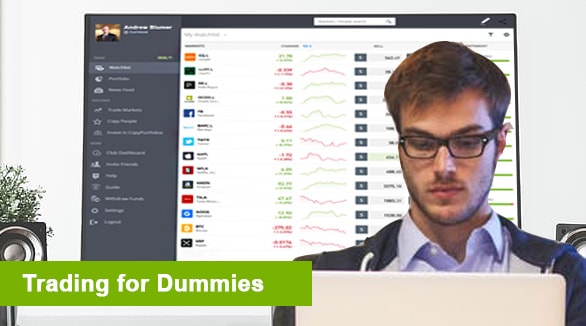
Trading in stocks can be both lucrative and challenging. Whether you're a seasoned investor or just getting started, it's essential to understand key strategies that will help you navigate both bull and bear markets effectively. One common approach is day trading, where financial products are bought and sold within the same day, often involving multiple trades. However, this method can be risky for beginners.
If done correctly, trading can generate significant returns, but without a solid strategy, it can lead to substantial losses. Therefore, it's crucial to familiarize yourself with the different types of trading and select a broker that meets your trading needs. Let’s dive into some essential aspects of trading to help you get started.
Understanding Common Methods of Trading
Before diving into the world of trading, it’s important to recognize that not all brokers are suitable for high volume trading. Different trading types come with their own set of challenges and opportunities:
- Day Trading: Involves executing multiple trades within a single day. It’s fast paced and requires a specialized broker and strategy.
- Swing Trading: Holds trades for several days or weeks, allowing traders to capitalize on broader price movements.
Exploring Other Types of Trading
Beyond day trading and swing trading, I have personally explored several other trading styles over the years. Each one fits a different lifestyle, risk tolerance, and market condition. Some require patience, others demand speed, and a few rely heavily on technology. Below are some of the most common alternatives, explained with real market prices and recent experiences.
Position Trading
Position trading is a long term approach where you hold an asset for weeks, months, or even years. I use this style when I strongly believe in a company or sector based on fundamentals like earnings growth, balance sheet strength, and long term demand. Short term market noise matters far less in this strategy.
Advantages: It requires far less screen time than short term trading, trading fees stay low due to fewer transactions, and strong trends can deliver substantial gains over time.
Disadvantages: You need patience and emotional control, especially during market pullbacks. Capital can be tied up for long periods, and major market downturns can test your conviction.
Real World Example: I bought Apple Inc. shares around $145 in early 2023 after strong earnings and continued iPhone demand. Despite short term dips, I held through the year, and by mid 2024 the stock traded above $210 as AI integration and services revenue boosted long term confidence.
Scalping
Scalping is one of the most intense trading styles I have tried. It focuses on very small price movements, sometimes lasting seconds or minutes. The goal is not a big win, but many small wins that add up over time. Liquidity and fast execution are essential.
Advantages: Frequent opportunities for profit and limited exposure to large market moves since trades are closed quickly.
Disadvantages: It is mentally exhausting and requires strict discipline. Trading costs add up fast, and even a small delay in execution can turn a winning trade into a loss.
Real World Example: While trading EUR/USD during a European inflation report in 2024, I scalped moves between 1.0840 and 1.0852, capturing 8 to 12 pips per trade multiple times within an hour as volatility spiked.
Algorithmic Trading
Algorithmic trading uses automated systems to execute trades based on predefined rules. I started experimenting with simple algorithms to remove emotion from my trading, especially during volatile news driven sessions.
Advantages: Trades are executed instantly, emotions are removed from decisions, and strategies can run continuously without manual monitoring.
Disadvantages: You need technical skills to build and maintain systems. Unexpected market conditions or software errors can lead to losses if not monitored properly.
Real World Example: I tested an algorithm that bought S&P 500 ETFs when they dropped more than 1.5 percent in a single session. During the April 2024 pullback, the system bought around $495 and exited near $505 after a short rebound.
Options Trading
Options trading involves contracts that give you the right, but not the obligation, to buy or sell an asset at a fixed price before a certain date. I mainly use options either to speculate around major events or to hedge existing stock positions.
- Call Options: These allow you to benefit when a stock price rises above a certain level.
- Put Options: These gain value when a stock price falls below a set price.
Options offer flexibility and can be structured for both aggressive and defensive strategies.
Advantages: High return potential with limited upfront capital, strong risk management flexibility, and the ability to profit in both bullish and bearish markets.
Disadvantages: Options pricing can be complex, and leverage can magnify losses quickly if timing is wrong.
Real World Example: Ahead of an earnings announcement in 2024, I bought Nvidia call options with a $450 strike when the stock was trading near $420. After strong earnings driven by AI demand, the stock surged above $480, significantly increasing the option’s value.
Forex Trading
Forex trading focuses on currency pairs and operates 24 hours a day. I actively trade forex during major economic announcements because currency markets react quickly to interest rate decisions and inflation data.
Advantages: Extremely high liquidity, flexible leverage, and constant trading opportunities across global sessions.
Disadvantages: Leverage increases risk significantly, and prices can move sharply within seconds during news events.
Real World Example: In late 2024, after strong U.S. jobs data, I went long USD/JPY around 148.20 expecting dollar strength. Within days, the pair climbed above 150 as rate hike expectations increased.
Cryptocurrency Trading
Cryptocurrency trading has been one of the most volatile experiences in my trading journey. Digital assets trade nonstop and react strongly to news, regulation updates, and market sentiment.
Advantages: Massive price swings create frequent trading opportunities, markets are open 24/7, and adoption continues to grow globally.
Disadvantages: Extreme volatility, regulatory uncertainty, and security risks on exchanges.
Real World Example: During the Bitcoin ETF approval hype in early 2024, I bought Bitcoin near $42,000 after a pullback. Within weeks, the price surged above $60,000 as institutional demand increased.
Commodities Trading
Commodities trading involves assets like gold, oil, and agricultural products. I often look at commodities during periods of inflation or geopolitical tension, as prices tend to react strongly to global events.
Advantages: Adds diversification to a portfolio, offers protection against inflation, and benefits from supply disruptions or political uncertainty.
Disadvantages: Prices can change rapidly due to factors beyond market control, such as weather or government decisions.
Real World Example: In 2024, amid rising geopolitical tensions and inflation concerns, I traded gold futures around $2,020 per ounce. As uncertainty grew, gold climbed above $2,300, rewarding long positions held during the rally.
Plan Your Trading Frequency and Capital Requirements

Before starting, you need to plan how often you will trade. From my own experience, this is one of the first mistakes new traders overlook. When I began trading, I assumed more trades meant more profit, but I quickly learned that frequency directly affects how much capital you need and how much pressure you face. If you plan to take several trades each week, your account must be large enough to handle short term volatility. For example, active day traders in the United States must maintain at least £25,000 in their account if they place more than three round trip trades per week. I personally saw traders get restricted after dropping below this level during volatile market weeks.
A round trip trade refers to opening and closing a position on the same day. With a day trading account, your buying power can be up to four times your available cash. For instance, with £25,000, I was able to control positions worth up to £100,000. This leverage can amplify gains, but during recent market swings, such as sudden interest rate announcements, it can also magnify losses very quickly.
Essential Knowledge for Trading Success
If your goal is long term profitability, you must understand the different styles of trading and investing. Early on, I experimented with short selling after watching a well known tech stock drop from £180 to £150 following disappointing earnings. Short selling involves borrowing shares and selling them, expecting the price to fall so you can buy them back cheaper. This strategy requires a margin account, and I learned firsthand how risky it can be when prices move against you faster than expected.
Research plays a major role in consistent trading results. I maintain a watchlist of stocks and regularly follow company earnings, inflation reports, and central bank decisions. During recent market uncertainty, news around interest rate pauses caused sudden price jumps of 3 to 6 percent in major stocks within hours. Staying updated through reliable financial news helped me avoid entering trades just before major announcements.
Understand the Difference Between Fundamentals and Technicals
To trade effectively, you must decide whether to rely on fundamental analysis or technical analysis. Over time, I found that each approach suits different personalities and goals:
- Fundamental Analysis: Focuses on earnings reports, revenue growth, balance sheets, and economic data to estimate a company’s true value. This approach worked well for me when holding stocks for several months, especially after strong quarterly earnings.
- Technical Analysis: Concentrates on charts, price action, and historical patterns. I rely on this method for short term trades where timing entries and exits is critical.
In Depth Explanation of Technical Analysis: Technical analysis involves studying price movement and trading volume to identify patterns. In my daily trading routine, I analyze charts to spot momentum shifts before major moves occur. Common tools I use include:
- Moving Averages: These help smooth price data and highlight trends. For example, when a stock stayed above its 50 day average at £92, it signaled continued strength.
- Relative Strength Index RSI: This shows whether an asset is overbought or oversold. I often avoid buying when RSI moves above 70, as prices frequently pull back.
- Bollinger Bands: These reveal volatility. During recent market spikes, prices touching the upper band often preceded short term reversals.
- Fibonacci Retracement Levels: These help identify support and resistance. I once entered a trade near the 61.8 percent level at £48, which acted as strong support before a rebound.
By mastering these tools, I became more confident in deciding when to enter or exit trades based on clear technical signals rather than emotion.
Creating a Customized Trading Strategy
A well structured trading strategy is essential for long term success. After years of trial and error, I realized every strategy must answer a few critical questions:
- How often will you trade daily, weekly, or monthly?
- What profit targets make sense for your account size?
- Which price ranges do you feel comfortable trading?
- How much risk can you accept on a single trade?
- How will you manage both losses and winning trades?
Real World Example of a Trading Strategy: When I shifted to swing trading tech stocks, my plan became much clearer:
- Trading Frequency: Holding positions for 3 to 10 days.
- Profit Targets: Targeting 5 to 10 percent per trade, such as buying at £100 and selling near £108.
- Risk Management: Using a stop loss around 3 percent below entry to protect capital.
- Technical Indicators: Relying on moving averages and RSI to confirm trade entries and exits.
Types of Orders
Understanding the different types of trading orders is crucial for managing your trades effectively. Here’s a breakdown of the primary types of orders used in trading:
| Order Type | Description |
|---|---|
| Limit Order | This allows you to set a specific price at which you want your trade to execute. If the market reaches your set price, your trade will trigger, but execution depends on available trade volume at that price. |
| Market Order | An order that is executed immediately at the current best available price. This is the fastest way to enter or exit a position, but the price at execution might vary from your expectations. |
| Stop Order | A stop order triggers a trade when the market moves against your position by a predetermined amount, helping limit losses or protect profits. |
| Trailing Stop Order | Allows you to set a stop order that follows a winning position by a specified profit amount or percentage. This helps secure profits while allowing room for further gains if the market continues to move in your favor. |
Swing Trading vs. Long Term Investing
As you gain more experience, you may wish to explore swing trading or long term investing. Swing trading involves holding stocks for several days or weeks, while long term investing focuses on holding investments for years, often to benefit from the gradual growth of companies and markets.
Real World Example of Swing Trading: A trader notices that a pharmaceutical company's stock tends to rise ahead of earnings announcements. They buy shares two weeks before the announcement and sell them after the stock appreciates, capitalizing on the short term price movement.
If you're more interested in long term gains, ensure your broker offers low flat rate commissions, as these can make a significant difference over time. Many brokerage firms now allow seamless transfer of funds between institutions with minimal paperwork, providing flexibility for long term investors.
Open Your Brokerage Account

Once I felt confident enough to start trading with real money, the most important step was opening a brokerage account. From my own experience, the broker you choose can either make trading smooth and stress free or frustrating and expensive. Below is a detailed guide based on what I’ve personally encountered while opening and using brokerage accounts, written to help you avoid common mistakes and align your choice with your trading goals.
1. Choose the Right Brokerage Firm
Not all brokers operate the same way, and I learned this the hard way when I switched brokers after my first few months of trading. Your trading style matters a lot, whether you are placing one trade a week or several trades a day. Here are the key factors I now always evaluate before choosing a broker:
- Commission Rates: When I started, I used a broker charging around $10 per stock trade. After placing just 20 trades in a month, I had already spent $200 in fees. I later moved to a broker offering $0 commissions on stocks and ETFs, which saved me hundreds of dollars over the year. This became especially important during volatile periods like the 2024 interest rate uncertainty, when I traded more frequently.
- Execution Speed: Execution speed matters more than many beginners realize. During a fast market move after a recent US inflation report, I placed a market order to buy a stock around $52, but due to slow execution, it filled closer to $53.20. A faster platform could have saved me over $120 on that single trade.
- Customer Support: I once had an open position during a sudden market drop and couldn’t close it due to a platform glitch. Having access to live chat support at that moment made a huge difference. Brokers with 24 hour support are invaluable, especially when trading global markets or during major news events.
- Platform Usability: Some platforms look impressive but feel overwhelming. I prefer platforms where I can quickly place trades, draw trendlines, and check indicators without confusion. When markets are moving fast, simplicity often beats complexity.
- Account Types: Over time, I realized I needed more than just a basic cash account. Some brokers allowed me to open a margin account later, while others offered long term investment accounts alongside active trading accounts, all under one dashboard.
2. Fulfill the Required Documentation
After choosing a broker, the account opening process was fairly straightforward, but accuracy mattered. Any small mismatch could delay approval by days. From my experience, this is what most brokers ask for:
- Personal Information: This includes your full legal name, residential address, and date of birth. I always recommend double checking spelling to avoid verification delays.
- Proof of Identity: I uploaded a clear photo of my passport. Some friends used a driver’s license, but blurry images caused rejections, so clarity is essential.
- Proof of Address: A recent utility bill worked best for me. In my case, a bank statement from two months ago was accepted without issues.
- Financial Information: Brokers often ask about income and trading experience. When I applied for margin trading, I had to confirm I understood the risks, especially during volatile periods like the recent tech stock pullbacks.
3. Fund Your Account
Once my account was approved, funding it was the next step. I tried multiple funding methods over time and noticed clear differences in speed and cost:
- Bank Transfer: This became my preferred method. Deposits usually reached my account within two business days. When I transferred $2,000 recently, it arrived without any fees.
- Credit or Debit Cards: I once used a debit card to deposit $500 instantly, which was convenient, but the broker charged a small processing fee of about 2 percent.
- Wire Transfer: I used a wire transfer for a larger deposit of $15,000. The funds arrived the same day, but my bank charged a $25 wire fee.
- Check Deposit: I tried this once early on. It took nearly a week to clear, which felt slow compared to other options.
- Electronic Wallets: Some brokers allowed deposits through PayPal. When I tested this option with $300, the funds were available almost instantly.
4. Select Account Features
After funding my account, I explored the available features and adjusted them based on how I trade. These features had a real impact on my results:
- Margin Trading: I enabled margin trading cautiously. While it increased my buying power, I also experienced how losses can grow quickly if trades go against you. I now use margin only for short term opportunities with strict risk limits.
- Trading Platforms and Tools: I regularly switch between the desktop platform for analysis and the mobile app for trade management. This flexibility helped during recent market swings when I needed to react quickly while away from my computer.
- Research and Analysis Tools: Built in screeners and earnings calendars helped me spot opportunities before major announcements. I used these tools recently to avoid trading just before a high impact earnings release.
- Account Alerts: Price alerts have saved me multiple times. I often set alerts at key levels, like when a stock approaches $100 resistance or drops below $90 support.
5. Start Trading
With everything set up, I began trading cautiously. I started with small positions, risking less than $50 per trade, until I became comfortable with the platform and order execution. This approach helped me avoid costly mistakes and build confidence over time.
6. Continuous Monitoring and Adjustment
As my experience grew, I regularly reviewed my broker’s services. Market conditions change, like the recent shifts caused by central bank decisions, and so do trading needs. I eventually added access to international markets and new asset classes as my strategy evolved.
Opening and managing a brokerage account is not a one time task. From my personal journey, choosing the right broker, funding your account wisely, and actively using available tools creates a strong foundation for long term trading success.
My Verdict Thoughts on Trading for Beginners
Trading can be a rewarding pursuit, but it requires careful planning, a deep understanding of markets, and a clear strategy. Start by familiarizing yourself with the different types of trading and select a broker that aligns with your needs. Whether you choose day trading, swing trading, or long term investing, the key to success lies in discipline, risk management, and continuous learning.
Take your time to build a solid foundation of knowledge before diving into the markets, and always remember that every trade carries risk. Approach trading as a business and stay patient as you refine your strategies over time.
We have conducted extensive research and analysis on over multiple data points on Trading For Dummies to present you with a comprehensive guide that can help you find the most suitable Trading For Dummies. Below we shortlist what we think are the best trading for dummies after careful consideration and evaluation. We hope this list will assist you in making an informed decision when researching Trading For Dummies.
Reputable Trading For Dummies Checklist
Selecting a reliable and reputable online Trading For Dummies trading brokerage involves assessing their track record, regulatory status, customer support, processing times, international presence, and language capabilities. Considering these factors, you can make an informed decision and trade Trading For Dummies more confidently.
Selecting the right online Trading For Dummies trading brokerage requires careful consideration of several critical factors. Here are some essential points to keep in mind:
- Ensure your chosen Trading For Dummies broker has a solid track record of at least two years in the industry.
- Verify that the Trading For Dummies broker has a customer support team of at least 15 members responsive to queries and concerns.
- Check if the Trading For Dummies broker operates under the regulatory framework of a jurisdiction that can hold it accountable for any misconduct or resolve disputes fairly and impartially.
- Ensure that the Trading For Dummies broker can process deposits and withdrawals within two to three days, which is crucial when you need to access your funds quickly.
- Look for Trading For Dummies brokers with an international presence in multiple countries, offering its clients local seminars and training programs.
- Ensure the Trading For Dummies broker can hire staff from diverse locations worldwide who can communicate fluently in your local language.
Our team have listed brokers that match your criteria for you below. All brokerage data has been summarised into a comparison table. Scroll down.
Compare Key Features of Trading For Dummies in Our Brokerage Comparison Table
When choosing a broker for trading for dummies trading, it's essential to compare the different options available to you. Our trading for dummies brokerage comparison table below allows you to compare several important features side by side, making it easier to make an informed choice.
- Minimum deposit requirement for opening an account with each trading for dummies broker.
- The funding methods available for trading for dummies with each broker.
- The types of instruments you can trade with each trading for dummies broker, such as forex, stocks, commodities, and indices.
- The trading platforms each trading for dummies broker provides, including their features, ease of use, and compatibility with your devices.
- The spread type (if applicable) for each trading for dummies broker affects the cost of trading.
- The level of customer support each trading for dummies broker offers, including their availability, responsiveness, and quality of service.
- Whether each trading for dummies broker offers Micro, Standard, VIP, or Islamic accounts to suit your trading style and preferences.
By comparing these essential features, you can choose a trading for dummies broker that best suits your needs and preferences for trading for dummies. Our trading for dummies broker comparison table simplifies the process, allowing you to make a more informed decision.
Top 15 Trading For Dummies of 2026 compared
Here are the top Trading For Dummies.
Compare trading for dummies brokers for min deposits, funding, used by, benefits, account types, platforms, and support levels. When searching for a trading for dummies broker, it's crucial to compare several factors to choose the right one for your trading for dummies needs. Our comparison tool allows you to compare the essential features side by side.
All brokers below are trading for dummies. Learn more about what they offer below.
You can scroll left and right on the comparison table below to see more trading for dummies that accept trading for dummies clients.
| Broker |
IC Markets

|
Roboforex

|
eToro

|
XTB
|
XM

|
Pepperstone

|
AvaTrade

|
FP Markets

|
SpreadEx

|
EasyMarkets

|
FXPro

|
|---|---|---|---|---|---|---|---|---|---|---|---|
| Rating | |||||||||||
| Regulation | International Capital Markets Pty Ltd (Australia) (ASIC) Australian Securities & Investments Commission Licence No. 335692, Seychelles Financial Services Authority (FSA) (SD018), IC Markets (EU) Ltd (CySEC) Cyprus Securities and Exchange Commission with License No. 362/18, Capital Markets Authority(CMA) Kenya IC Markets (KE) Ltd, Securities Commission of The Bahamas (SCB) IC Markets (Bahamas) Ltd | RoboForex Ltd is authorised and regulated by the Financial Services Commission (FSC) of Belize under licence No. 000138/32, under the Securities Industry Act 2021, RoboForex Ltd is an (A category) member of The Financial Commission, also RoboForex Ltd is a participant of the Financial Commission Compensation Fund | FCA (Financial Conduct Authority) eToro (UK) Ltd (FCA reference 583263), eToro (Europe) Ltd CySEC (Cyprus Securities Exchange Commission), ASIC (Australian Securities and Investments Commission) eToro AUS Capital Limited ASIC license 491139, CySec (Cyprus Securities and Exchange Commission under the license 109/10), FSAS (Financial Services Authority Seychelles) eToro (Seychelles) Ltd license SD076, eToro (ME) Limited (ADGM) Abu Dhabi (UAE) number 220073, eToro (Europe) Ltd (AMF) Autorité des marchés financiers as a digital assets provider France | FCA (Financial Conduct Authority reference 522157) XTB Limited, CySEC (Cyprus Securities and Exchange Commission reference 169/12), DFSA (Dubai Financial Services Authority XTB MENA Limited licensed 8 July 2021), FSA (Financial Services Authority Seychelles license number SD148), FSCA (Financial Sector Conduct Authority XTB Africa (Pty) Ltd licensed 10 August 2021), KNF (Komisja Nadzoru Finansowego Polish Financial Supervision Authority) | Financial Sector Conduct Authority (FSCA) (49976) XM ZA (Pty) Ltd, Financial Services Commission (FSC) (000261/27) XM Global Limited, Cyprus Securities and Exchange Commission (CySEC) (license 120/10) Trading Point of Financial Instruments Ltd, Australian Securities and Investments Commission (ASIC) (number 443670) Trading Point of Financial Instruments Pty Ltd | Financial Conduct Authority (FCA), Australian Securities and Investments Commission (ASIC), Cyprus Securities and Exchange Commission (CySEC), Federal Financial Supervisory Authority (BaFin), Dubai Financial Services Authority (DFSA), Capital Markets Authority of Kenya (CMA), Pepperstone Markets Limited is incorporated in The Bahamas (number 177174 B), Licensed by the Securities Commission of The Bahamas (SCB) number SIA-F217 | Australian Securities and Investments Commission (ASIC) Ava Capital Markets Australia Pty Ltd (406684), South African Financial Sector Conduct Authority (FSCA) Ava Capital Markets Pty Ltd (45984), Financial Services Agency (Japan FSA) Ava Trade Japan K.K. (1662), Financial Futures Association of Japan (FFAJ) Ava Trade Japan K.K. (1574), Abu Dhabi Global Markets (ADGM) / Financial Regulatory Services Authority (FRSA) Ava Trade Middle East Ltd (190018), Central Bank of Ireland (C53877) AVA Trade EU Ltd, Polish Financial Supervision Authority (KNF) AVA Trade EU Ltd (branch authorisation), British Virgin Islands Financial Services Commission (BVI) Ava Trade Markets Ltd (SIBA/L/13/1049), Israel Securities Authority (ISA) ATrade Ltd (514666577), Financial Superintendence of Colombia (SFC 0261 of 2024), Investment Industry Regulatory Organization of Canada through Friedberg Direct (IIROC) | CySEC (Cyprus Securities and Exchange Commission) (371/18), ASIC AFS (Australian Securities and Investments Commission) (286354), FSP (Financial Sector Conduct Authority in South Africa) (50926), Financial Services Authority Seychelles (FSA) (SD 130) | FCA (Financial Conduct Authority) (190941), Gambling Commission (Great Britain) (8835), licence in Ireland as remote bookmaker for fixed odds betting licence number 1016176 | Easy Forex Trading Ltd is regulated by CySEC (License 079/07). This is the only entity that onboards EU clients. easyMarkets Pty Ltd is regulated by ASIC (AFS License 246566), EF Worldwide Ltd (Seychelles) is regulated by FSA (License SD056), EF Worldwide Ltd (British Virgin Islands) is regulated by FSC (License SIBA/L/20/1135), EF Worldwide (PTY) Ltd is regulated by FSCA (License 54018) | FCA (Financial Conduct Authority) (509956), CySEC (Cyprus Securities and Exchange Commission) (078/07), FSCA (Financial Sector Conduct Authority) (45052), SCB (Securities Commission of The Bahamas) (SIA-F184), FSA (Financial Services Authority of Seychelles) (SD120) |
| Min Deposit | 200 | 10 | 50 | No minimum deposit | 5 | No minimum deposit | 100 | 100 | No minimum deposit | 25 | 100 |
| Funding |
|
|
|
|
|
|
|
|
|
|
|
| Used By | 200,000+ | 730,000+ | 40,000,000+ | 2,000,000+ | 15,000,000+ | 830,000+ | 400,000+ | 200,000+ | 60,000+ | 250,000+ | 11,200,000+ |
| Benefits |
|
|
|
|
|
|
|
|
|
|
|
| Accounts |
|
|
|
|
|
|
|
|
|
|
|
| Platforms | MT5, MT4, MetaTrader WebTrader, Mobile Apps, iOS (App Store), Android (Google Play), MetaTrader iPhone/iPad, MetaTrader Android Google Play, MetaTrader Mac, cTrader, cTrader Web, cTrader iPhone/iPad, cTrader iMac, cTrader Android Google Play, cTrader Automate, cTrader Copy Trading, TradingView, Virtual Private Server, Trading Servers, MT4 Advanced Trading Tools, IC Insights, Trading Central | MT4, MT5, R Mobile Trader, R StocksTrader, WebTrader, Mobile Apps, iOS (App Store), Android (Google Play), Windows | eToro Trading App, Mobile Apps, iOS (App Store), Android (Google Play), CopyTrading, Web | MT4, Mirror Trader, Web Trader, Tablet, Mobile Apps, iOS (App Store), Android (Google Play) | MT5, MT5 WebTrader, XM Apple App for iPhone, XM App for Android Google Play, Tablet: MT5 for iPad, MT5 for Android Google Play, XM App for iPad, XM App for iOS (App Store), Android (Google Play), Mobile Apps | MT4, MT5, cTrader,WebTrader, TradingView, Windows, Mobile Apps, iOS (App Store), Android (Google Play) | MT4, MT5, Web Trading, AvaTrade App, AvaOptions, Mac Trading, AvaSocial, Mobile Apps, iOS (App Store), Android (Google Play) | MT4, MT5, TradingView, cTrader, WebTrader, Mobile Trader, Mobile Apps, iOS (App Store), Android (Google Play) | Web, Mobile Apps, iOS (App Store), Android (Google Play), iPad App, iPhone App, TradingView | easyMarkets App, Mobile Apps, iOS (App Store), Android (Google Play), Web Platform, TradingView, MT4, MT5 | MT4, MT5, cTrader, FxPro WebTrader, FxPro Mobile Apps, iOS (App Store), Android (Google Play) |
| Support |
|
|
|
|
|
|
|
|
|
|
|
| Learn More |
Sign
Up with icmarkets |
Sign
Up with roboforex |
Sign
Up with etoro |
Sign
Up with xtb |
Sign
Up with xm |
Sign
Up with pepperstone |
Sign
Up with avatrade |
Sign
Up with fpmarkets |
Sign
Up with spreadex |
Sign
Up with easymarkets |
Sign
Up with fxpro |
| Risk Warning | Losses can exceed deposits | Losses can exceed deposits | 52% of retail investor accounts lose money when trading CFDs with this provider. | 69% - 80% of retail investor accounts lose money when trading CFDs with this provider. You should consider whether you understand how CFDs work and whether you can afford to take the high risk of losing your money. | CFDs are complex instruments and come with a high risk of losing money rapidly due to leverage. 74.48% of retail investor accounts lose money when trading CFDs with this provider. You should consider whether you understand how CFDs work and whether you can afford to take the high risk of losing your money. | 75-95 % of retail investor accounts lose money when trading CFDs | 57% of retail investor accounts lose money when trading CFDs with this provider | Losses can exceed deposits | 62% of retail CFD accounts lose money | 76% of retail investor accounts lose money when trading CFDs with this provider. | 74% of retail investor accounts lose money when trading CFDs and Spread Betting with this provider |
| Demo |
IC Markets Demo |
Roboforex Demo |
eToro Demo |
XTB Demo |
XM Demo |
Pepperstone Demo |
AvaTrade Demo |
FP Markets Demo |
SpreadEx Demo |
easyMarkets Demo |
FxPro Demo |
| Excluded Countries | US, IR, CA, NZ, JP | AU, BE, BQ, BR, CA, CW, CZ, DE, ES, EE, EU, FM, FR, FI, GW, ID, IR, JP, LR, MP, NL, PF, PL, RU, SE, SJ, SS, SL, SI, TL, TR, DO, US, IT, AT, PT, BG, HR, CY, DK, FL, GR, IE, LV, LT, MT, RO, SK, CH | ZA, ID, IR, KP, BE, CA, JP, SY, TR, IL, BY, AL, MD, MK, RS, GN, CD, SD, SA, ZW, ET, GH, TZ, LY, UG, ZM, BW, RW, TN, SO, NA, TG, SL, LR, GM, DJ, CI, PK, BN, TW, WS, NP, SG, VI, TM, TJ, UZ, LK, TT, HT, MM, BT, MH, MV, MG, MK, KZ, GD, FJ, PT, BB, BM, BS, AG, AI, AW, AX, LB, SV, PY, HN, GT, PR, NI, VG, AN, CN, BZ, DZ, MY, KH, PH, VN, EG, MN, MO, UA, JO, KR, AO, BR, HR, GL, IS, IM, JM, FM, MC, NG, SI, | US, IN, PK, BD, NG , ID, BE, AU | US, CA, IL, IR | AF, AS, AQ, AM, AZ, BY, BE, BZ, BT, BA, BI, CM, CA, CF, TD, CG, CI, ER, GF, PF, GP, GU, GN, GW, GY, HT, VA, IR, IQ, JP, KZ, LB, LR, LY, ML, MQ, YT, MZ, MM, NZ, NI, KP, PS, PR, RE, KN, LC, VC, WS, SO, GS, KR, SS, SD, SR, SY, TJ, TN, TM, TC, US, VU, VG, EH, ES, YE, ZW, ET | BE, BR, KP, NZ, TR, US, CA, SG | US, JP, NZ | US, TR | US, IL, BC, MB, QC, ON, AF, BY, BI, KH, KY, TD, KM, CG, CU, CD, GQ, ER, FJ, GN, GW, HT, IR, IQ, LA, LY, MZ, MM, NI, KP, PW, PA, RU, SO, SS, SD, SY, TT, TM, VU, VE, YE | US, CA, IR |
All Trading for dummies in more detail
You can compare Trading For Dummies ratings, min deposits what the the broker offers, funding methods, platforms, spread types, customer support options, regulation and account types side by side.
We also have an indepth Top Trading For Dummies for 2026 article further below. You can see it now by clicking here
We have listed top Trading for dummies below.
Trading For Dummies Table of Contents
- Trading For Dummies Explained
- 6 Factors to Consider when Choosing Trading For Dummies
- Are Your Trading For Dummies Trusted And Established?
- Are The Trading For Dummies World Leading?
- What are the Trading For Dummies Commissions and Fees?
- What are the Trading For Dummies Funding and Withdrawl Methods?
- Find Trading For Dummies with Round-the-clock support?
- Make sure the Trading For Dummies Offer Comprehensive Trader resources?
- Why Trading For Dummies needs to be regulated?
- Trading For Dummies FAQ
- What are the best Trading for dummies brokers?
- What is the best Trading for dummi broker?
- Related Trading For Dummies Reviews
- Related Trading For Dummies Alternatives
- Related Trading For Dummies Comparisons
Trading For Dummies Explained
Trading volatile financial markets with Trading For Dummies can be challenging, even for experienced traders. In addition to the online educational resources available, traders should consider the platform offered by Trading For Dummies to ensure a successful trading experience.
Selecting Trading For Dummies at the forefront of innovation and considered an industry leader is crucial. Doing so will ensure you are equipped with the tools and features to navigate volatile Trading For Dummies markets effectively.
Reliability is key to gaining access to financial markets. Look for Trading For Dummies that you can rely on to provide a stable and secure trading environment, allowing you to execute trades with Trading For Dummies confidently.
6 Factors to Consider when Choosing Trading For Dummies
Follow these five rules for selecting Trading For Dummies that are right for you:
Are Your Trading For Dummies Trusted And Established?
Search for a reputable Trading For Dummies with a extensive proven track record for Trading For Dummies, enabling you to focus solely on implementing your trading strategy and navigating the markets with confidence. The top rated Trading For Dummies broker is IC Markets. Established in 2007, and in operation for 19 years IC Markets have a head office in Australia.
IC Markets is regulated. This means IC Markets are supervised by and is checked for conduct by International Capital Markets Pty Ltd (Australia) (ASIC) Australian Securities & Investments Commission Licence No. 335692, Seychelles Financial Services Authority (FSA) (SD018), IC Markets (EU) Ltd (CySEC) Cyprus Securities and Exchange Commission with License No. 362/18, Capital Markets Authority(CMA) Kenya IC Markets (KE) Ltd, Securities Commission of The Bahamas (SCB) IC Markets (Bahamas) Ltd regulatory bodies.
Another top rated broker is Roboforex.
Roboforex was established 2009, and in operation for 17 years Roboforex have a head office in Belize.
Roboforex is regulated. This means Roboforex are supervised by and is checked for conduct by International Capital Markets Pty Ltd (Australia) (ASIC) Australian Securities & Investments Commission Licence No. 335692, Seychelles Financial Services Authority (FSA) (SD018), IC Markets (EU) Ltd (CySEC) Cyprus Securities and Exchange Commission with License No. 362/18, Capital Markets Authority(CMA) Kenya IC Markets (KE) Ltd, Securities Commission of The Bahamas (SCB) IC Markets (Bahamas) Ltd regulatory bodies.
| Broker |
IC Markets
|
Roboforex
|
eToro
|
XTB
|
XM
|
Pepperstone
|
AvaTrade
|
FP Markets
|
|---|---|---|---|---|---|---|---|---|
| Year Established | 2007 | 2009 | 2007 | 2002 | 2009 | 2010 | 2006 | 2005 |
| Head Office | Australia | Belize | Cyprus, UK | Poland | Cyprus | Australia | Ireland | Australia |
| Regulation | International Capital Markets Pty Ltd (Australia) (ASIC) Australian Securities & Investments Commission Licence No. 335692, Seychelles Financial Services Authority (FSA) (SD018), IC Markets (EU) Ltd (CySEC) Cyprus Securities and Exchange Commission with License No. 362/18, Capital Markets Authority(CMA) Kenya IC Markets (KE) Ltd, Securities Commission of The Bahamas (SCB) IC Markets (Bahamas) Ltd | RoboForex Ltd is authorised and regulated by the Financial Services Commission (FSC) of Belize under licence No. 000138/32, under the Securities Industry Act 2021, RoboForex Ltd is an (A category) member of The Financial Commission, also RoboForex Ltd is a participant of the Financial Commission Compensation Fund | FCA (Financial Conduct Authority) eToro (UK) Ltd (FCA reference 583263), eToro (Europe) Ltd CySEC (Cyprus Securities Exchange Commission), ASIC (Australian Securities and Investments Commission) eToro AUS Capital Limited ASIC license 491139, CySec (Cyprus Securities and Exchange Commission under the license 109/10), FSAS (Financial Services Authority Seychelles) eToro (Seychelles) Ltd license SD076, eToro (ME) Limited (ADGM) Abu Dhabi (UAE) number 220073, eToro (Europe) Ltd (AMF) Autorité des marchés financiers as a digital assets provider France | FCA (Financial Conduct Authority reference 522157) XTB Limited, CySEC (Cyprus Securities and Exchange Commission reference 169/12), DFSA (Dubai Financial Services Authority XTB MENA Limited licensed 8 July 2021), FSA (Financial Services Authority Seychelles license number SD148), FSCA (Financial Sector Conduct Authority XTB Africa (Pty) Ltd licensed 10 August 2021), KNF (Komisja Nadzoru Finansowego Polish Financial Supervision Authority) | Financial Sector Conduct Authority (FSCA) (49976) XM ZA (Pty) Ltd, Financial Services Commission (FSC) (000261/27) XM Global Limited, Cyprus Securities and Exchange Commission (CySEC) (license 120/10) Trading Point of Financial Instruments Ltd, Australian Securities and Investments Commission (ASIC) (number 443670) Trading Point of Financial Instruments Pty Ltd | Financial Conduct Authority (FCA), Australian Securities and Investments Commission (ASIC), Cyprus Securities and Exchange Commission (CySEC), Federal Financial Supervisory Authority (BaFin), Dubai Financial Services Authority (DFSA), Capital Markets Authority of Kenya (CMA), Pepperstone Markets Limited is incorporated in The Bahamas (number 177174 B), Licensed by the Securities Commission of The Bahamas (SCB) number SIA-F217 | Australian Securities and Investments Commission (ASIC) Ava Capital Markets Australia Pty Ltd (406684), South African Financial Sector Conduct Authority (FSCA) Ava Capital Markets Pty Ltd (45984), Financial Services Agency (Japan FSA) Ava Trade Japan K.K. (1662), Financial Futures Association of Japan (FFAJ) Ava Trade Japan K.K. (1574), Abu Dhabi Global Markets (ADGM) / Financial Regulatory Services Authority (FRSA) Ava Trade Middle East Ltd (190018), Central Bank of Ireland (C53877) AVA Trade EU Ltd, Polish Financial Supervision Authority (KNF) AVA Trade EU Ltd (branch authorisation), British Virgin Islands Financial Services Commission (BVI) Ava Trade Markets Ltd (SIBA/L/13/1049), Israel Securities Authority (ISA) ATrade Ltd (514666577), Financial Superintendence of Colombia (SFC 0261 of 2024), Investment Industry Regulatory Organization of Canada through Friedberg Direct (IIROC) | CySEC (Cyprus Securities and Exchange Commission) (371/18), ASIC AFS (Australian Securities and Investments Commission) (286354), FSP (Financial Sector Conduct Authority in South Africa) (50926), Financial Services Authority Seychelles (FSA) (SD 130) |
| Used By | 200,000+ | 730,000+ | 40,000,000+ | 2,000,000+ | 15,000,000+ | 830,000+ | 400,000+ | 200,000+ |
| Negative balance protection | Yes | Yes | Yes | Yes | Yes | Yes | Yes | Yes |
| Guaranteed Stop Loss | No | No | No | No | No | Yes | No | No |
| Learn More | Visit IC Markets | Visit Roboforex | Visit eToro | Visit XTB | Visit XM | Visit Pepperstone | Visit AvaTrade | Visit FP Markets |
| Risk Warning | Losses can exceed deposits | Losses can exceed deposits | 52% of retail investor accounts lose money when trading CFDs with this provider. | 69% - 80% of retail investor accounts lose money when trading CFDs with this provider. You should consider whether you understand how CFDs work and whether you can afford to take the high risk of losing your money. | CFDs are complex instruments and come with a high risk of losing money rapidly due to leverage. 74.48% of retail investor accounts lose money when trading CFDs with this provider. You should consider whether you understand how CFDs work and whether you can afford to take the high risk of losing your money. | 75-95 % of retail investor accounts lose money when trading CFDs | 57% of retail investor accounts lose money when trading CFDs with this provider | Losses can exceed deposits |
Are The Trading For Dummies World Leading?
Opt for Trading For Dummies that set themselves apart as an industry leader by actively embracing innovation. Take IC Markets as an example, which is renowned for Segregates clients funds and boasts an extensive array of 2850 tradable instruments. Moreover, IC Markets caters to the needs of its clients with both an online trading platform and a mobile application, making it incredibly convenient to access the markets from anywhere, at any time.
In addition, the IC Markets platform enables access to a variety of financial markets worldwide. IC Markets is a world-leader when it comes to innovation and they are always looking at ways to improve and to maintain their competitive advantage.
Another good choice when looking for Trading For Dummies is Roboforex. Roboforex Segregates clients funds and offers over 12000 instruments.
| Broker |
IC Markets
|
Roboforex
|
eToro
|
XTB
|
XM
|
Pepperstone
|
AvaTrade
|
FP Markets
|
|---|---|---|---|---|---|---|---|---|
| Instruments Available | 2850 | 12000 | 7000 | 10900 | 1464 | 2700 | 1250 | 10000 |
| Platforms | MT5, MT4, MetaTrader WebTrader, Mobile Apps, iOS (App Store), Android (Google Play), MetaTrader iPhone/iPad, MetaTrader Android Google Play, MetaTrader Mac, cTrader, cTrader Web, cTrader iPhone/iPad, cTrader iMac, cTrader Android Google Play, cTrader Automate, cTrader Copy Trading, TradingView, Virtual Private Server, Trading Servers, MT4 Advanced Trading Tools, IC Insights, Trading Central | MT4, MT5, R Mobile Trader, R StocksTrader, WebTrader, Mobile Apps, iOS (App Store), Android (Google Play), Windows | eToro Trading App, Mobile Apps, iOS (App Store), Android (Google Play), CopyTrading, Web | MT4, Mirror Trader, Web Trader, Tablet, Mobile Apps, iOS (App Store), Android (Google Play) | MT5, MT5 WebTrader, XM Apple App for iPhone, XM App for Android Google Play, Tablet: MT5 for iPad, MT5 for Android Google Play, XM App for iPad, XM App for iOS (App Store), Android (Google Play), Mobile Apps | MT4, MT5, cTrader,WebTrader, TradingView, Windows, Mobile Apps, iOS (App Store), Android (Google Play) | MT4, MT5, Web Trading, AvaTrade App, AvaOptions, Mac Trading, AvaSocial, Mobile Apps, iOS (App Store), Android (Google Play) | MT4, MT5, TradingView, cTrader, WebTrader, Mobile Trader, Mobile Apps, iOS (App Store), Android (Google Play) |
| Excluded Countries | US, IR, CA, NZ, JP | AU, BE, BQ, BR, CA, CW, CZ, DE, ES, EE, EU, FM, FR, FI, GW, ID, IR, JP, LR, MP, NL, PF, PL, RU, SE, SJ, SS, SL, SI, TL, TR, DO, US, IT, AT, PT, BG, HR, CY, DK, FL, GR, IE, LV, LT, MT, RO, SK, CH | ZA, ID, IR, KP, BE, CA, JP, SY, TR, IL, BY, AL, MD, MK, RS, GN, CD, SD, SA, ZW, ET, GH, TZ, LY, UG, ZM, BW, RW, TN, SO, NA, TG, SL, LR, GM, DJ, CI, PK, BN, TW, WS, NP, SG, VI, TM, TJ, UZ, LK, TT, HT, MM, BT, MH, MV, MG, MK, KZ, GD, FJ, PT, BB, BM, BS, AG, AI, AW, AX, LB, SV, PY, HN, GT, PR, NI, VG, AN, CN, BZ, DZ, MY, KH, PH, VN, EG, MN, MO, UA, JO, KR, AO, BR, HR, GL, IS, IM, JM, FM, MC, NG, SI, | US, AU, CA, JP, KR, KP, SG, MU, IL, TR, IN, PK, BA, ET, UG, CU, SY, BD, NG, ID, BE, LY, MO, KE, YE, VU, GY, CD, CG, AF, LA, MZ, IQ, IR | US, CA, IL, IR | AF, AS, AQ, AM, AZ, BY, BE, BZ, BT, BA, BI, CM, CA, CF, TD, CG, CI, ER, GF, PF, GP, GU, GN, GW, GY, HT, VA, IR, IQ, JP, KZ, LB, LR, LY, ML, MQ, YT, MZ, MM, NZ, NI, KP, PS, PR, RE, KN, LC, VC, WS, SO, GS, KR, SS, SD, SR, SY, TJ, TN, TM, TC, US, VU, VG, EH, ES, YE, ZW, ET | BE, BR, KP, NZ, TR, US, CA, SG | US, JP, NZ |
| Forex pairs offered | 65 | 40 | 65 | 69 | 55 | 93 | 53 | 70 |
| Major forex pairs | Yes | Yes | Yes | Yes | Yes | Yes | Yes | Yes |
| Minor forex pairs | Yes | Yes | Yes | Yes | Yes | Yes | Yes | Yes |
| Exotic forex pairs | Yes | Yes | Yes | Yes | Yes | Yes | Yes | Yes |
| Cryptocurrencies (availability subject to regulation) | Yes | Yes | Yes | No | No | Yes | Yes | Yes |
| Commodities Offered | 28 | 100 | 67 | 27 | 8 | 40 | 19 | 29 |
| Metals | Yes | Yes | Yes | Yes | Yes | Yes | Yes | Yes |
| Energies | Yes | No | Yes | Yes | Yes | Yes | Yes | Yes |
| Agricultural | Yes | No | Yes | Yes | No | Yes | Yes | Yes |
| Stocks Offered | 2100 | 8484 | 7246 | 6617 | 1350 | 1100 | 647 | 10000 |
| UK Shares | Yes | Yes | Yes | Yes | Yes | Yes | Yes | Yes |
| US Shares | Yes | Yes | Yes | Yes | Yes | Yes | Yes | Yes |
| German Shares | Yes | Yes | Yes | Yes | Yes | Yes | Yes | Yes |
| Japanese Shares | Yes | Yes | Yes | Yes | Yes | Yes | Yes | Yes |
What are the Trading For Dummies Commissions and Fees?
Ensure that your broker is transparent with fees and those dues are competitive.
The best rated Trading For Dummies broker IC Markets offers competitive offers for Forex, CFDs, Spread Betting, Share dealing, Cryptocurrencies. IC Markets minimum deposit is 200.
Another top rated Trading For Dummies broker Roboforex offers Forex, CFDs. Roboforex minimum deposit is 10. Please note that any cryptocurrency availability with any broker is subject to regulation.
| Broker |
IC Markets
|
Roboforex
|
eToro
|
XTB
|
XM
|
Pepperstone
|
AvaTrade
|
FP Markets
|
|---|---|---|---|---|---|---|---|---|
| Min Deposit | 200 | 10 | 50 | 0 | 5 | 0 | 100 | 100 |
| Withdrawl Fees | No | No | Yes | Yes | No | No | No | No |
| Inactivity Fees | No | No | Yes | Yes | Yes | No | Yes | No |
| Deposit Fees | No | No | No | No | No | No | No | No |
| CFD Commission Fees | Yes | No | Yes | Yes | No | Yes | No | Yes |
What are the Trading For Dummies Funding and Withdrawal Methods?
Efficient and hassle-free funding and withdrawal facilities can significantly improve your overall trading experience when dealing with Trading For Dummies. It streamlines the trading process and helps you focus on making informed decisions rather than worrying about deposit and withdrawal matters with Trading For Dummies.
| Broker |
IC Markets
|
Roboforex
|
eToro
|
XTB
|
XM
|
Pepperstone
|
AvaTrade
|
FP Markets
|
|---|---|---|---|---|---|---|---|---|
| Bank transfer | Yes | Yes | Yes | Yes | Yes | Yes | Yes | Yes |
| Credit Cards | Yes | Yes | Yes | Yes | Yes | Yes | Yes | Yes |
| Paypal | Yes | No | Yes | Yes | No | Yes | Yes | Yes |
| Skrill | Yes | No | Yes | Yes | No | Yes | No | Yes |
| Payoneer | No | Yes | No | Yes | No | Yes | Yes | No |
| Neteller | Yes | Yes | Yes | Yes | Yes | Yes | Yes | Yes |
Find Trading For Dummies with Round-the-clock support?
Effective customer service is an essential factor to consider when dealing with Trading For Dummies.
Trading For Dummies customer service entails various support services to aid customers in making the most cost-effective and appropriate use of the brokers' services.
The customer support options offered by Trading For Dummies can include phone answering services, live chat support, and email customer service support.
IC Markets support a wide range of languages including English, Japanese, Chinese, Polish, Afrikans, Danish, Dutch, German and more
Roboforex support a wide range of languages including English, Chinese Simplified, Chinese Traditional, Indonesian, Malaysian, Portuguese, Spanish, Italian, Polish, Arabic, Thai, Russian, and Ukrainian
IC Markets and Roboforex offer support where clients are able to call or contact the helpdesk via email or a chat service.
| Broker |
IC Markets
|
Roboforex
|
eToro
|
XTB
|
XM
|
Pepperstone
|
AvaTrade
|
FP Markets
|
|---|---|---|---|---|---|---|---|---|
| Support |
|
|
|
|
|
|
|
|
| Languages | English, Japanese, Chinese, Polish, Afrikans, Danish, Dutch, German and more | English, Chinese Simplified, Chinese Traditional, Indonesian, Malaysian, Portuguese, Spanish, Italian, Polish, Arabic, Thai, Russian, and Ukrainian | English, German, Spanish, French, Italian | English, Spanish, Czech, Chinese, German, French, Italian, Polish, Portuguese, Romanian, Slovenian, and Turkish | Arabic, Chinese, English, French, German, Greek, Hindi, Hungarian, Indonesian, Italian, Japanese, Korean, Malay, Polish, Portuguese, Russian, Spanish, Swedish, Thai, and Turkish | English, Spanish, Portuguese, Thai, Russian, Italian, French, German, Polish, Chinese, Vietnamese, and Arabic | Arabic, Simplified Chinese, Traditional Chinese, Dutch, English, Finnish, French, German, Hungarian, Italian, Indonesian, Japanese, Mongolian, Polish, Portuguese, Russian, Spanish, Swedish, Thai, Malay, Korean and Turkish | English, Arabic, Indonesian, Italian, Spanish, French, Russian, Chinese, Japanese, German, Portuguese, Thai, French, Malay, Greek, Vietnamese, Romanian, Turkish, Slovenian, Dutch, Polish, Finnish, Norwegian, Swedish, Serbian, Lithuanian, Hungarian, Galician, Estonian, Danish, Czech, Croatian, Bulgarian, Basque |
| Learn More | Visit IC Markets | Visit Roboforex | Visit eToro | Visit XTB | Visit XM | Visit Pepperstone | Visit AvaTrade | Visit FP Markets |
| Risk Warning | Losses can exceed deposits | Losses can exceed deposits | 52% of retail investor accounts lose money when trading CFDs with this provider. | 69% - 80% of retail investor accounts lose money when trading CFDs with this provider. You should consider whether you understand how CFDs work and whether you can afford to take the high risk of losing your money. | CFDs are complex instruments and come with a high risk of losing money rapidly due to leverage. 74.48% of retail investor accounts lose money when trading CFDs with this provider. You should consider whether you understand how CFDs work and whether you can afford to take the high risk of losing your money. | 75-95 % of retail investor accounts lose money when trading CFDs | 57% of retail investor accounts lose money when trading CFDs with this provider | Losses can exceed deposits |
Make sure the Trading For Dummies Offer Comprehensive Trader resources?
It's important to ensure your Trading For Dummies provide complimentary resources such as analysis, education, and risk management tools. IC Markets and Roboforex collaborate with top analysts to bring the most up-to-date news and insights to traders.
Sound risk and money management are vital to financial market navigation with Trading For Dummies. However, selecting the best broker to access the markets is a critical step that traders should not overlook as they embark on trading live financial markets with Trading For Dummies.
Why Trading For Dummies needs to be regulated?
Regulated Trading For Dummies lowers your risk of loss of deposited trading funds.
Lowering your risk is one of the benefits of working with a properly regulated Trading For Dummies.
Consumers are protected by Trading For Dummies regulation, critical to preventing inadequate services and potential financial harm.
Regulation of Trading For Dummies is necessary to prevent fraud. The Trading For Dummies working capital and client-funded accounts must be kept separate to avoid conducting business with client funds. Any fraudulent behaviour with Trading For Dummies is monitored by financial regulators in the jurisdictions brokers are allowed to operate.
Trading For Dummies List
Funding methods
Bank transfer Credit Card PaypalPlatforms
MT5, MT4, MetaTrader WebTrader, Mobile Apps, iOS (App Store), Android (Google Play), MetaTrader iPhone/iPad, MetaTrader Android Google Play, MetaTrader Mac, cTrader, cTrader Web, cTrader iPhone/iPad, cTrader iMac, cTrader Android Google Play, cTrader Automate, cTrader Copy Trading, TradingView, Virtual Private Server, Trading Servers, MT4 Advanced Trading Tools, IC Insights, Trading CentralCustomer support
Live chat Phone support Email supportAccount Types
Micro account Standard account ECN accountIslamic account VIP account
Funding methods
Bank transfer Credit Card PaypalPlatforms
MT4, MT5, R Mobile Trader, R StocksTrader, WebTrader, Mobile Apps, iOS (App Store), Android (Google Play), WindowsCustomer support
Live chat Phone support Email supportAccount Types
Micro account Standard account ECN accountIslamic account VIP account
eToro is a multi-asset platform which offers both investing in stocks and cryptoassets, as well as trading CFDs.
Please note that CFDs are complex instruments and come with a high risk of losing money rapidly due to leverage. 52% of retail investor accounts lose money when trading CFDs with this provider. You should consider whether you understand how CFDs work, and whether you can afford to take the high risk of losing your money.
This communication is intended for information and educational purposes only and should not be considered investment advice or investment recommendation. Past performance is not an indication of future results.
Copy Trading does not amount to investment advice. The value of your investments may go up or down. Your capital is at risk.
Crypto investments are risky and may not suit retail investors; you could lose your entire investment. Understand the risks here.
Don't invest unless you're prepared to lose all the money you invest. This is a high-risk investment, and you should not expect to be protected if something goes wrong. Take 2 mins to learn more.
eToro USA LLC does not offer CFDs and makes no representation and assumes no liability as to the accuracy or completeness of the content of this publication, which has been prepared by our partner utilizing publicly available non-entity specific information about eToro.
Funding methods
Bank transfer Credit Card PaypalPlatforms
eToro Trading App, Mobile Apps, iOS (App Store), Android (Google Play), CopyTrading, WebCustomer support
Live chat Phone support Email supportAccount Types
Micro account Standard account ECN accountIslamic account VIP account
Funding methods
Bank transfer Credit Card PaypalPlatforms
MT4, Mirror Trader, Web Trader, Tablet, Mobile Apps, iOS (App Store), Android (Google Play)Customer support
Live chat Phone support Email supportAccount Types
Micro account Standard account ECN accountIslamic account VIP account
Funding methods
Bank transfer Credit Card PaypalPlatforms
MT5, MT5 WebTrader, XM Apple App for iPhone, XM App for Android Google Play, Tablet: MT5 for iPad, MT5 for Android Google Play, XM App for iPad, XM App for iOS (App Store), Android (Google Play), Mobile AppsCustomer support
Live chat Phone support Email supportAccount Types
Micro account Standard account ECN accountIslamic account XM Swap-Free account (XM Ultra Low Account) VIP account
Funding methods
Bank transfer Credit Card PaypalPlatforms
MT4, MT5, cTrader,WebTrader, TradingView, Windows, Mobile Apps, iOS (App Store), Android (Google Play)Customer support
Live chat Phone support Email supportAccount Types
Micro account Standard account ECN accountIslamic account Pro Account VIP account
Funding methods
Bank transfer Credit Card PaypalPlatforms
MT4, MT5, Web Trading, AvaTrade App, AvaOptions, Mac Trading, AvaSocial, Mobile Apps, iOS (App Store), Android (Google Play)Customer support
Live chat Phone support Email supportAccount Types
Micro account Standard account ECN accountIslamic account VIP account
Funding methods
Bank transfer Credit Card PaypalPlatforms
MT4, MT5, TradingView, cTrader, WebTrader, Mobile Trader, Mobile Apps, iOS (App Store), Android (Google Play)Customer support
Live chat Phone support Email supportAccount Types
Micro account Standard account ECN accountIslamic account VIP account
Funding methods
Bank transfer Credit Card PaypalPlatforms
Web, Mobile Apps, iOS (App Store), Android (Google Play), iPad App, iPhone App, TradingViewCustomer support
Live chat Phone support Email supportAccount Types
Micro account Standard account ECN accountIslamic account VIP account
Funding methods
Bank transfer Credit Card PaypalPlatforms
easyMarkets App, Mobile Apps, iOS (App Store), Android (Google Play), Web Platform, TradingView, MT4, MT5Customer support
Live chat Phone support Email supportAccount Types
Micro account Standard account ECN accountIslamic account VIP account
Funding methods
Bank transfer Credit Card PaypalPlatforms
MT4, MT5, cTrader, FxPro WebTrader, FxPro Mobile Apps, iOS (App Store), Android (Google Play)Customer support
Live chat Phone support Email supportAccount Types
Micro account Standard account ECN accountIslamic account VIP account

Learn more
Losses can exceed deposits

Losses can exceed deposits