Solana Sol Trading Brokers for 2026
We found 11 online brokers that are appropriate for Trading Solana (SOL) Platforms.
Solana Sol Trading Brokers Guide
Analysis by Andrew Blumer, Updated Last updated – April 17, 2026
Solana (SOL) Trading Brokers
Having spent years watching the highs and lows of cryptocurrency markets, I can tell you that Solana (SOL) is a digital asset that still demands serious attention in 2026. From my own trading experience over the past year, I have seen SOL rebound strongly after earlier network challenges, with prices moving from around $80 to $100 in early 2025 to trading closer to $150 to $200+ during key 2026 rallies, driven by renewed investor confidence and growing ecosystem activity. Its high speed blockchain and smart contract capabilities continue to stand out, especially as upgrades and validator improvements have made the network more stable and scalable than what I experienced in previous cycles.
What has impressed me most recently is how institutional interest and ecosystem growth have accelerated. Projects in DeFi, NFTs, and real world asset tokenization have continued to build on Solana, and I have personally noticed increased liquidity and tighter spreads when trading through Solana brokers compared to a few years ago. This makes entering and exiting positions much smoother, especially during volatile sessions.
At the same time, it is impossible to ignore the risks. I have personally experienced sharp intraday swings where SOL moved double digits in percentage terms within hours, especially during macro driven events and crypto wide corrections in 2026. Regulatory developments in major markets and ongoing competition from other blockchains also add layers of uncertainty that traders need to factor in.
From a practical standpoint, understanding transaction fees, deposits, and withdrawals has become even more important. Solana still offers extremely low fees compared to many networks, which I have found useful when actively trading or moving funds between platforms. However, broker specific costs and spreads can vary significantly, so I always compare options before placing trades.
It is also worth paying attention to broker regulation, crypto derivatives, and leverage products now widely offered in 2026. I have used both spot and derivative instruments on SOL, and while derivatives can amplify returns, they also significantly increase exposure to losses if the market turns quickly.
Finally, the consensus mechanism behind Solana, combining Proof of History with Proof of Stake, continues to be one of its biggest strengths. From my perspective, the improvements in validator performance and uptime over the past year have made a noticeable difference in reliability, which is critical when trading in fast moving markets.
By understanding these fundamentals and staying updated with recent developments, you will be in a much stronger position to take advantage of Solana’s opportunities while managing the very real risks that come with trading in today’s crypto market.
Best Trading Platforms for Solana (SOL) for Retail Investors
Choosing the right broker is essential for retail investors looking to trade Solana (SOL). The platform you select can influence transaction speed, fees, security, and available trading tools. Here are some of the top trading platforms that cater specifically to Solana traders:
IC Markets
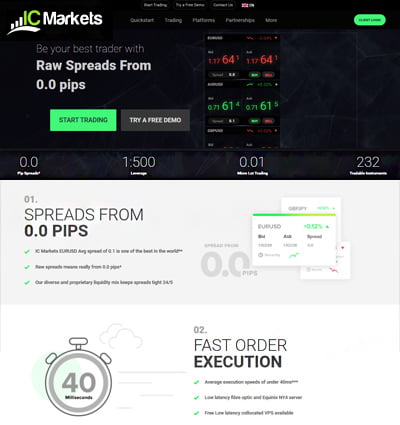
IC Markets is a reliable choice for Solana (SOL) traders who prioritize narrow spreads and fast order execution, crucial for short term trading strategies. The platform supports a wide range of instruments, including SOL, and provides advanced trading tools such as MT4, MT5, and cTrader. With robust leverage options and high performance execution, IC Markets is well suited for experienced traders seeking to capitalize on Solana’s volatility.
eToro
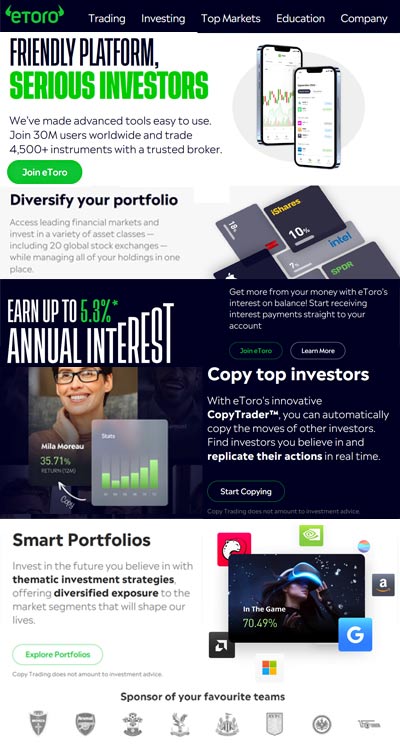
eToro stands out for Solana traders who value social trading and community insights. Its CopyTrading feature allows users to replicate the trades of experienced investors, making it ideal for beginners or those looking to benefit from the strategies of over 30 million users. Coupled with a user friendly interface and regulation by CySEC and the FCA, eToro provides a secure and accessible environment for trading Solana and other cryptocurrencies.
RoboForex
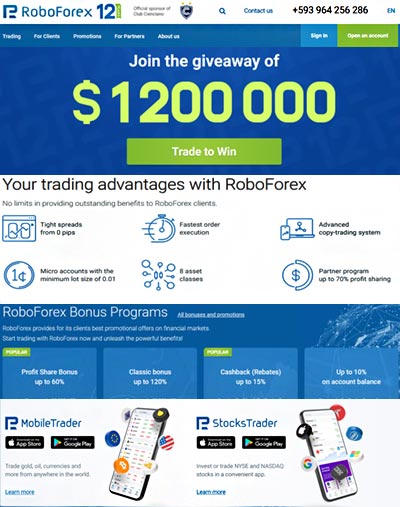
RoboForex offers a robust trading environment for Solana (SOL) traders, leveraging the MT4 and MT5 platforms for quick and efficient execution. It caters to those who seek high risk leverage options and diverse trading instruments, making it suitable for experienced traders aiming to take advantage of Solana’s market volatility. The platform’s performance and reliability make it a strong choice for active SOL traders.
XTB
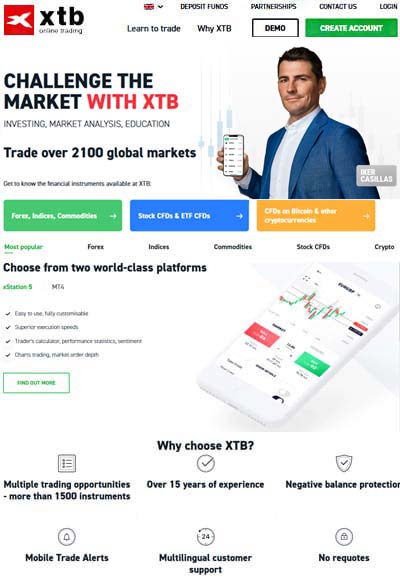
XTB focuses on providing a comprehensive trading experience for Solana (SOL) investors. With extensive market analysis tools, educational resources, and adherence to FCA and CySEC regulations, XTB ensures a secure and informative trading environment. This makes it a solid choice for traders who want to combine education with active Solana trading.
XM
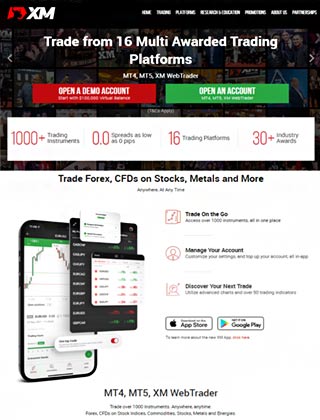
XM is ideal for Solana traders who value customer support and a wide variety of trading options. With regulatory oversight from ASIC, CySEC, and IFSC, XM provides a secure and supportive environment for exploring Solana’s potential. Its combination of diverse offerings and reliable support makes it suitable for both beginners and seasoned traders.
Ultimately, the best trading platform depends on your personal preferences, trading experience, and objectives. Carefully consider factors such as fees, security, tools, and platform usability before making your choice to ensure a smooth and profitable Solana trading experience.
How Retail Investors Can Open a Solana (SOL) Trading Account
Choosing the Right Platform
From my personal experience trading crypto through multiple cycles, choosing a reputable trading platform is more important now than ever in 2026. After the market shakeups in 2024 and the stronger regulatory push across the UK and Europe in 2025 and 2026, I started prioritizing platforms that offer proof of reserves, strong compliance, and transparent fee structures. Solana has seen major growth again in 2026, with its price fluctuating around $140 to $190 recently, so having fast execution and low latency is critical when volatility spikes.
Account Registration
Once you’ve chosen a platform, visit its official website to create an account. In my case, this process has become more detailed in 2026 due to tighter regulations. You’ll provide your name, email, and phone number, and platforms now often require additional verification steps upfront. While it may feel like friction, I’ve learned it actually adds a layer of security and trust that protects your funds.
Identity Verification
Expect to upload a government issued ID, proof of address, and sometimes complete a facial scan. The KYC process has become stricter in 2026, especially for UK and EU users. From my experience, platforms that take compliance seriously are usually the ones that last long term and avoid sudden shutdowns or withdrawal issues.
Account Approval
Approval is usually fast, often within hours. In my recent sign ups, most platforms approved me the same day. Once approved, your account becomes a live Solana trading account. With Solana gaining momentum again due to its growing ecosystem of DeFi, NFTs, and AI related projects in 2026, having quick access matters.
Funding Your Account
Depositing funds is straightforward. I personally prefer using bank transfers or stablecoins to avoid unnecessary fees. In 2026, many platforms have reduced deposit friction, but fees can still vary. Always check minimums and costs. With SOL’s recent price movements, even small timing differences during deposits can impact your entry price.
Platform Navigation
This is where experience really matters. Early on, I underestimated how important it is to understand charts and order types. In today’s market, especially with SOL’s fast price swings, knowing how to use limit orders, stop losses, and real time charts can make a huge difference in outcomes.
Executing Trades
Once funded, you can start placing buy and sell orders. Personally, I’ve seen Solana move very quickly during ecosystem announcements or meme coin activity on its network. In 2026, network activity has surged again, and this often drives short term price spikes. I usually scale into positions instead of going all in at once, which has helped me manage volatility better.
Implementing Security Measures
Security is something I never compromise on anymore. Always enable two factor authentication (2FA), and if possible, use a hardware wallet for larger holdings. After seeing multiple exchange related issues in previous years, I now keep only trading funds on exchanges and move long term SOL holdings off platform.
Withdrawing Funds
When withdrawing, double check your wallet address carefully. I’ve made it a habit to test with small amounts first. In 2026, withdrawals are generally faster, especially on the Solana network due to its high speed and low transaction costs, which is one of the main reasons I continue to invest in it.
Opening a SOL trading account is simple, but long term success comes from using a secure, reliable, and well regulated platform. From my experience, combining good platform choice, proper risk management, and understanding Solana’s ecosystem growth has been key. I continue to hold SOL as part of my portfolio because of its strong developer activity, expanding use cases, and improving network stability in 2026.
Key Features to Look for When Choosing a Solana (SOL) Trading Platform
Regulation and Security
One of the most important considerations for retail investors is whether the platform is regulated by authorities such as the FCA, ASIC, or CySEC. Regulation ensures that the broker adheres to strict standards for investor protection. Equally vital are security measures, including two factor authentication (2FA), encryption, and cold storage for digital assets. These features protect your funds from unauthorized access and cyber threats, providing peace of mind while trading Solana.
User Interface and Trading Pairs
The platform’s user interface (UI) should be intuitive and easy to navigate, even for beginners. Efficient navigation allows for quick order execution, monitoring of charts, and management of open positions. Additionally, a diverse range of SOL trading pairs such as SOL/USD, SOL/BTC, and SOL/ETH offers flexibility to implement various trading strategies and adapt to changing market conditions.
Liquidity and Fees
Liquidity is critical for executing trades swiftly without significant price slippage, especially in volatile markets like Solana. High liquidity ensures that your orders are filled efficiently. Moreover, transparent and competitive fee structures including spreads, commissions, and deposit/withdrawal charges are essential to maintain profitability and reduce trading costs over time.
Customer Support and Educational Resources
Responsive customer support is a must for timely resolution of technical or account related issues. Platforms that provide educational resources, such as tutorials, webinars, and market analysis articles, help traders improve their skills and stay updated with market trends. For beginners, the availability of a demo account is particularly valuable for practicing strategies without risking real funds.
Mobile Trading and Overall Experience
For traders who want to stay active on the go, a fully functional mobile application that mirrors the desktop platform is essential. A well rounded trading experience combines robust features, ease of use, and the flexibility to trade anytime, anywhere. Considering these factors ensures that you choose a platform capable of supporting your Solana trading journey effectively.
Regulations and Licensing Requirements for Solana (SOL) Trading Brokers
Importance of Regulatory Compliance
When trading Solana (SOL), regulatory compliance is essential for ensuring a safe and transparent environment for retail investors. Brokers must navigate a complex legal landscape, adhering to local and international laws to protect clients and maintain market integrity.
KYC and AML Protocols
Solana trading brokers are required to implement stringent Know Your Customer (KYC) and Anti Money Laundering (AML) procedures. These measures verify client identities and monitor transactions to prevent fraudulent activity and money laundering. Compliance with KYC and AML regulations is not only mandatory but also builds trust between the broker and its clients.
Licensing and Jurisdictional Requirements
The necessity for specific licenses depends on the jurisdiction where the broker operates. Some countries classify cryptocurrencies, including Solana tokens, as securities, requiring brokers to adhere to securities laws. Regulatory requirements can include transaction reporting, risk disclosures, and systems to prevent market manipulation, ensuring a fair and lawful trading environment.
Data Protection and Transparency
Brokers must comply with data protection regulations to safeguard personal information and maintain client privacy. Transparent communication of transaction fees and trading costs is equally important, ensuring that traders are fully informed. Regulatory bodies may also require detailed reporting for tax compliance and transaction monitoring, especially for high value trades.
Industry Guidelines and Best Practices
In addition to legal requirements, staying updated with guidelines from the Solana Foundation can help brokers align with best practices in the ecosystem. By combining regulatory compliance, strong internal controls, and adherence to industry recommendations, brokers can maintain a secure, trustworthy, and legally compliant trading environment for Solana.
Advantages and Disadvantages of Trading Platforms Provided by Established Solana (SOL) Brokers
Established Solana (SOL) brokers provide retail investors with platforms that enhance trading efficiency, security, and overall user experience. However, like any financial service, these platforms come with both benefits and limitations that traders should consider.
| Criteria | Advantages | Disadvantages |
|---|---|---|
| User Experience |
Intuitive interfaces designed for retail investors Comprehensive educational resources and tutorials Integrated trading and analysis tools for effective decision making |
Some platforms may appear overly complex for beginners Customization options for advanced users might be limited |
| Security |
Robust security protocols, including encryption and two factor authentication (2FA) Regulation by recognized financial authorities ensures a higher degree of safety |
Platform specific vulnerabilities can still exist Regulatory changes could affect platform operations and compliance |
| Costs |
Competitive trading fees and spreads for Solana Potential discounts or incentives for high volume trading |
Hidden fees may apply for inactivity, withdrawals, or deposits Fee structures can be complex and sometimes opaque |
| Market Access |
Access to a wide range of assets besides SOL, including stocks, forex, and other cryptocurrencies Real time market data and liquidity for efficient trading |
May not support niche or emerging tokens Access can be limited by geographic location or regulatory restrictions |
| Support |
Professional customer support through multiple channels Community forums and peer networks for additional assistance |
Response times can be slower during peak periods Quality of support may vary between platforms |
Overall, established Solana brokers offer a secure, feature rich, and efficient trading environment for retail investors, but it is important to understand the limitations, fees, and specific platform conditions before committing significant funds.
How Retail Investors Can Analyze and Compare Solana (SOL) Trading Fees
Understanding and comparing trading fees across different Solana (SOL) broker platforms is essential for retail investors aiming to optimize costs. Brokers typically charge fees on trades, deposits, and withdrawals, and these can vary significantly. It’s important to distinguish between maker fees, which are lower and applied when you add liquidity, and taker fees, which are higher and apply when you remove liquidity from the market. Knowing how each broker structures these fees helps you anticipate trading costs and plan your strategy effectively.
Many platforms offer volume based discounts or incentives for high frequency traders, which can reduce costs if your trading style involves frequent SOL transactions. Deposit and withdrawal fees, as well as spreads, should also be considered, as they can subtly impact profitability. Some brokers provide rebates, referral incentives, or rewards for holding their native tokens, which may further offset expenses. Comparing these factors across platforms allows you to identify the broker that offers the best value for your specific trading volume and style.
Understanding Fees and Costs: Example of a Solana (SOL) Trade
Trading fees and costs can significantly impact your profitability when dealing with Solana (SOL). To illustrate, let’s break down an example trade step by step:
Example Trade Setup
Suppose you want to buy 10 SOL at a price of USD 203 per SOL. The total value of your trade would be:
10 SOL × 203 USD = 2,030 USD
Broker Trading Fees
Your broker charges a 0.1% maker fee and 0.2% taker fee. If you place a market order (taker order) to buy immediately, your trading fee will be:
2,030 × 0.2% = 4.06 USD
This fee is automatically deducted from your account, reducing the effective capital you have for the trade.
Deposit and Withdrawal Costs
Assume your broker also charges a 0.5 USD deposit fee and a 1 USD withdrawal fee. While these may seem small, frequent deposits or withdrawals can add up over time. For this trade:
Deposit fee: 0.5 USD
Withdrawal fee (if you sell and withdraw later): 1 USD
Spread Costs
The spread is the difference between the buy and sell price. If the SOL market spread is 0.5 USD, buying at 203 USD and selling immediately would effectively reduce your selling price to 202.5 USD, costing you an additional:
10 SOL × 0.5 USD = 5 USD
Total Cost Breakdown
- Trading fee (taker): 4.06 USD
- Deposit fee: 0.5 USD
- Withdrawal fee: 1 USD
- Spread cost: 5 USD
Total costs for this trade: 10.56 USD
Impact on Profitability
Even small fees and spreads can reduce net gains, particularly on short term trades. For instance, if SOL rises from 203 USD to 210 USD, your gross profit on 10 SOL would be:
(210 203) × 10 = 70 USD
After subtracting total fees of 10.56 USD, your net profit is 59.44 USD. Understanding these costs allows retail investors to plan trades more effectively and select brokers offering competitive fees, spreads, and deposit/withdrawal policies.
By evaluating trading fees, spreads, and other costs carefully, you can maximize profitability while minimizing unnecessary losses in Solana (SOL) trading.
Effective Strategies for Trading Solana (SOL) on Various Platforms
Research and Fundamental Analysis
Successful trading of Solana (SOL) begins with comprehensive research and fundamental analysis. Understanding Solana's blockchain technology, partnerships, development roadmap, and market sentiment is crucial. Staying updated with the latest news and developments around Solana helps anticipate market movements and make informed trading decisions.
Diversification and Risk Management
Retail investors should practice diversification by not allocating all capital to SOL alone. Spreading investments across multiple cryptocurrencies mitigates risk and strengthens portfolio resilience. Additionally, implementing risk management techniques such as stop loss and take profit orders ensures that you only expose funds you can afford to lose, protecting your investment from severe market volatility.
Trading Approaches
Depending on your trading style, several strategies can be employed. Long term holders may adopt a buy and hold approach, securing SOL in hardware wallets to protect against security breaches. Active traders can use scalping, day trading, or swing trading to capitalize on short term or medium term price movements. Leveraging technical analysis and trading signals helps identify optimal entry and exit points, enhancing trading efficiency.
Advanced Strategies
Hedging is valuable for protecting positions from adverse price fluctuations, with derivatives and options serving as effective tools. While leverage can magnify profits, it also increases potential losses, so it must be used with caution. A well rounded strategy combines research, technical skills, risk management, and adaptability to market conditions, ensuring a balanced and informed approach to trading Solana.
Risks of Trading Solana (SOL) and How Retail Investors Can Mitigate Them
Market Volatility
Solana (SOL) is known for its high market volatility, which can lead to abrupt price swings. Retail investors should use stop loss orders and only invest funds they can afford to lose. Staying informed about market trends and conducting thorough research can also help anticipate and respond to sudden changes in SOL prices.
Platform and Security Risks
Trading platforms may experience operational issues, outages, or security vulnerabilities. Choosing a reputable broker with a strong security history, enabling two factor authentication (2FA), and using secure wallets are crucial steps to safeguard your assets. Regularly monitoring platform updates and security advisories can further reduce risks.
Regulatory and Liquidity Risks
Regulatory compliance varies by jurisdiction and can impact trading activities. Retail investors should stay informed about local cryptocurrency regulations and use compliant platforms. Liquidity risk is also a factor low liquidity can make it difficult to execute large trades without affecting prices. Using high liquidity platforms and timing trades carefully can mitigate this risk.
Leverage and Market Manipulation
While leverage can amplify gains, it also increases the potential for rapid losses. Retail investors should apply leverage cautiously and maintain strict risk management strategies. Additionally, Solana markets can be subject to market manipulation, leading to unexpected price movements. Conducting thorough research and maintaining a disciplined trading approach are key to minimizing exposure to these risks.
Future Outlook for Solana (SOL) Trading
The future of Solana (SOL) looks promising as the blockchain continues to innovate and attract new projects. With its high speed transaction capabilities and low fees, Solana is positioned to remain a key player in the cryptocurrency ecosystem. Retail investors can expect increasing adoption across decentralized finance (DeFi), NFTs, and other blockchain based applications, which may contribute to long term price growth.
However, the market remains highly volatile, and regulatory developments could impact trading conditions. Staying informed about Solana’s technological upgrades, partnerships, and broader market trends is crucial for making strategic investment decisions. Overall, cautious optimism, combined with diligent research and risk management, will be essential for navigating Solana’s future trading landscape.
Solana (SOL) Trading Brokers Verdict

Trading Solana (SOL) can be highly rewarding, but it requires careful preparation and informed decision making. From my experience, the key to success in this volatile market lies in selecting a reputable broker that offers strong security, intuitive platforms, and competitive fees. Retail investors should also understand the risks involved, including market volatility, platform vulnerabilities, and regulatory considerations, and apply effective risk management strategies such as stop loss orders and cautious use of leverage.
Diversifying your portfolio, staying updated on Solana developments, and using demo accounts to practice trading strategies are essential steps for anyone looking to trade SOL effectively. Understanding trading fees and liquidity levels can also make a significant difference in maximizing profits and minimizing costs.
Currently, Solana is trading at USD 203, highlighting its potential for growth while also reflecting market volatility. For those interested in deeper insights into Solana, its technology, and ecosystem, I recommend visiting the official Solana website at Solana.com.
Overall, with the right education, platform, and strategy, retail investors can navigate the Solana market successfully and take advantage of the opportunities it presents in the evolving cryptocurrency landscape.
We have conducted extensive research and analysis on over multiple data points on Solana Sol Trading Brokers to present you with a comprehensive guide that can help you find the most suitable Solana Sol Trading Brokers. Below we shortlist what we think are the best Solana (SOL) Trading Platforms after careful consideration and evaluation. We hope this list will assist you in making an informed decision when researching Solana Sol Trading Brokers.
Reputable Solana Sol Trading Brokers Checklist
Selecting a reliable and reputable online Solana (SOL) Trading Platforms trading brokerage involves assessing their track record, regulatory status, customer support, processing times, international presence, and language capabilities. Considering these factors, you can make an informed decision and trade Solana (SOL) Trading Platforms more confidently.
Selecting the right online Solana (SOL) Trading Platforms trading brokerage requires careful consideration of several critical factors. Here are some essential points to keep in mind:
- Ensure your chosen Solana (SOL) Trading Platforms broker has a solid track record of at least two years in the industry.
- Verify that the Solana (SOL) Trading Platforms broker has a customer support team of at least 15 members responsive to queries and concerns.
- Check if the Solana (SOL) Trading Platforms broker operates under the regulatory framework of a jurisdiction that can hold it accountable for any misconduct or resolve disputes fairly and impartially.
- Ensure that the Solana (SOL) Trading Platforms broker can process deposits and withdrawals within two to three days, which is crucial when you need to access your funds quickly.
- Look for Solana (SOL) Trading Platforms brokers with an international presence in multiple countries, offering its clients local seminars and training programs.
- Ensure the Solana (SOL) Trading Platforms broker can hire staff from diverse locations worldwide who can communicate fluently in your local language.
Our team have listed brokers that match your criteria for you below. All brokerage data has been summarised into a comparison table. Scroll down.
Compare Key Features of Solana (SOL) Trading Platforms in Our Brokerage Comparison Table
When choosing a broker for Solana (SOL) Trading Platforms trading, it's essential to compare the different options available to you. Our Solana (SOL) Trading Platforms brokerage comparison table below allows you to compare several important features side by side, making it easier to make an informed choice.
- Minimum deposit requirement for opening an account with each Solana (SOL) Trading Platforms broker.
- The funding methods available for Solana (SOL) Trading Platforms with each broker.
- The types of instruments you can trade with each Solana (SOL) Trading Platforms broker, such as forex, stocks, commodities, and indices.
- The trading platforms each Solana (SOL) Trading Platforms broker provides, including their features, ease of use, and compatibility with your devices.
- The spread type (if applicable) for each Solana (SOL) Trading Platforms broker affects the cost of trading.
- The level of customer support each Solana (SOL) Trading Platforms broker offers, including their availability, responsiveness, and quality of service.
- Whether each Solana (SOL) Trading Platforms broker offers Micro, Standard, VIP, or Islamic accounts to suit your trading style and preferences.
By comparing these essential features, you can choose a Solana (SOL) Trading Platforms broker that best suits your needs and preferences for Solana (SOL) Trading Platforms. Our Solana (SOL) Trading Platforms broker comparison table simplifies the process, allowing you to make a more informed decision.
Top 15 Solana (SOL) Trading Platforms of 2026 compared
Here are the top Solana (SOL) Trading Platforms.
Compare Solana (SOL) Trading Platforms brokers for min deposits, funding, used by, benefits, account types, platforms, and support levels. When searching for a Solana (SOL) Trading Platforms broker, it's crucial to compare several factors to choose the right one for your Solana (SOL) Trading Platforms needs. Our comparison tool allows you to compare the essential features side by side.
All brokers below are Solana (SOL) Trading Platforms. Learn more about what they offer below.
You can scroll left and right on the comparison table below to see more Solana (SOL) Trading Platforms that accept Solana (SOL) Trading Platforms clients.
| Broker |
IC Markets

|
Roboforex

|
eToro

|
XTB
|
XM

|
Pepperstone

|
AvaTrade

|
FP Markets

|
EasyMarkets

|
SpreadEx
|
FXPro

|
|---|---|---|---|---|---|---|---|---|---|---|---|
| Rating | |||||||||||
| Regulation | International Capital Markets Pty Ltd (Australia) (ASIC) Australian Securities & Investments Commission Licence No. 335692, Seychelles Financial Services Authority (FSA) (SD018), IC Markets (EU) Ltd (CySEC) Cyprus Securities and Exchange Commission with License No. 362/18, Capital Markets Authority(CMA) Kenya IC Markets (KE) Ltd, Securities Commission of The Bahamas (SCB) IC Markets (Bahamas) Ltd | RoboForex Ltd is authorised and regulated by the Financial Services Commission (FSC) of Belize under licence No. 000138/32, under the Securities Industry Act 2021, RoboForex Ltd is an (A category) member of The Financial Commission, also RoboForex Ltd is a participant of the Financial Commission Compensation Fund | FCA (Financial Conduct Authority) eToro (UK) Ltd (FCA reference 583263), eToro (Europe) Ltd CySEC (Cyprus Securities Exchange Commission), ASIC (Australian Securities and Investments Commission) eToro AUS Capital Limited ASIC license 491139, CySec (Cyprus Securities and Exchange Commission under the license 109/10), FSAS (Financial Services Authority Seychelles) eToro (Seychelles) Ltd license SD076, eToro (ME) Limited (ADGM) Abu Dhabi (UAE) number 220073, eToro (Europe) Ltd (AMF) Autorité des marchés financiers as a digital assets provider France | FCA (Financial Conduct Authority reference 522157) XTB Limited, CySEC (Cyprus Securities and Exchange Commission reference 169/12), DFSA (Dubai Financial Services Authority XTB MENA Limited licensed 8 July 2021), FSA (Financial Services Authority Seychelles license number SD148), FSCA (Financial Sector Conduct Authority XTB Africa (Pty) Ltd licensed 10 August 2021), KNF (Komisja Nadzoru Finansowego Polish Financial Supervision Authority) | Financial Sector Conduct Authority (FSCA) (49976) XM ZA (Pty) Ltd, Financial Services Commission (FSC) (000261/27) XM Global Limited, Cyprus Securities and Exchange Commission (CySEC) (license 120/10) Trading Point of Financial Instruments Ltd, Australian Securities and Investments Commission (ASIC) (number 443670) Trading Point of Financial Instruments Pty Ltd | Financial Conduct Authority (FCA), Australian Securities and Investments Commission (ASIC), Cyprus Securities and Exchange Commission (CySEC), Federal Financial Supervisory Authority (BaFin), Dubai Financial Services Authority (DFSA), Capital Markets Authority of Kenya (CMA), Pepperstone Markets Limited is incorporated in The Bahamas (number 177174 B), Licensed by the Securities Commission of The Bahamas (SCB) number SIA-F217 | Australian Securities and Investments Commission (ASIC) Ava Capital Markets Australia Pty Ltd (406684), South African Financial Sector Conduct Authority (FSCA) Ava Capital Markets Pty Ltd (45984), Financial Services Agency (Japan FSA) Ava Trade Japan K.K. (1662), Financial Futures Association of Japan (FFAJ) Ava Trade Japan K.K. (1574), Abu Dhabi Global Markets (ADGM) / Financial Regulatory Services Authority (FRSA) Ava Trade Middle East Ltd (190018), Central Bank of Ireland (C53877) AVA Trade EU Ltd, Polish Financial Supervision Authority (KNF) AVA Trade EU Ltd (branch authorisation), British Virgin Islands Financial Services Commission (BVI) Ava Trade Markets Ltd (SIBA/L/13/1049), Israel Securities Authority (ISA) ATrade Ltd (514666577), Financial Superintendence of Colombia (SFC 0261 of 2024), Investment Industry Regulatory Organization of Canada through Friedberg Direct (IIROC) | CySEC (Cyprus Securities and Exchange Commission) (371/18), ASIC AFS (Australian Securities and Investments Commission) (286354), FSP (Financial Sector Conduct Authority in South Africa) (50926), Financial Services Authority Seychelles (FSA) (SD 130) | Easy Forex Trading Ltd is regulated by CySEC (License 079/07). This is the only entity that onboards EU clients. easyMarkets Pty Ltd is regulated by ASIC (AFS License 246566), EF Worldwide Ltd (Seychelles) is regulated by FSA (License SD056), EF Worldwide Ltd (British Virgin Islands) is regulated by FSC (License SIBA/L/20/1135), EF Worldwide (PTY) Ltd is regulated by FSCA (License 54018) | FCA (Financial Conduct Authority) (190941), Gambling Commission (Great Britain) (8835), licence in Ireland as remote bookmaker for fixed odds betting licence number 1016176 | FCA (Financial Conduct Authority) (509956), CySEC (Cyprus Securities and Exchange Commission) (078/07), FSCA (Financial Sector Conduct Authority) (45052), SCB (Securities Commission of The Bahamas) (SIA-F184), FSA (Financial Services Authority of Seychelles) (SD120) |
| Min Deposit | 200 | 10 | 50 | No minimum deposit | 5 | No minimum deposit | 100 | 100 | 25 | No minimum deposit | 100 |
| Funding |
|
|
|
|
|
|
|
|
|
|
|
| Used By | 200,000+ | 730,000+ | 40,000,000+ | 2,000,000+ | 15,000,000+ | 830,000+ | 400,000+ | 200,000+ | 250,000+ | 60,000+ | 11,200,000+ |
| Benefits |
|
|
|
|
|
|
|
|
|
|
|
| Accounts |
|
|
|
|
|
|
|
|
|
|
|
| Platforms | MT5, MT4, MetaTrader WebTrader, Mobile Apps, iOS (App Store), Android (Google Play), MetaTrader iPhone/iPad, MetaTrader Android Google Play, MetaTrader Mac, cTrader, cTrader Web, cTrader iPhone/iPad, cTrader iMac, cTrader Android Google Play, cTrader Automate, cTrader Copy Trading, TradingView, Virtual Private Server, Trading Servers, MT4 Advanced Trading Tools, IC Insights, Trading Central | MT4, MT5, R Mobile Trader, R StocksTrader, WebTrader, Mobile Apps, iOS (App Store), Android (Google Play), Windows | eToro Trading App, Mobile Apps, iOS (App Store), Android (Google Play), CopyTrading, Web | MT4, Mirror Trader, Web Trader, Tablet, Mobile Apps, iOS (App Store), Android (Google Play) | MT5, MT5 WebTrader, XM Apple App for iPhone, XM App for Android Google Play, Tablet: MT5 for iPad, MT5 for Android Google Play, XM App for iPad, XM App for iOS (App Store), Android (Google Play), Mobile Apps | MT4, MT5, cTrader,WebTrader, TradingView, Windows, Mobile Apps, iOS (App Store), Android (Google Play) | MT4, MT5, Web Trading, AvaTrade App, AvaOptions, Mac Trading, AvaSocial, Mobile Apps, iOS (App Store), Android (Google Play) | MT4, MT5, TradingView, cTrader, WebTrader, Mobile Trader, Mobile Apps, iOS (App Store), Android (Google Play) | easyMarkets App, Mobile Apps, iOS (App Store), Android (Google Play), Web Platform, TradingView, MT4, MT5 | Web, Mobile Apps, iOS (App Store), Android (Google Play), iPad App, iPhone App, TradingView | MT4, MT5, cTrader, FxPro WebTrader, FxPro Mobile Apps, iOS (App Store), Android (Google Play) |
| Support |
|
|
|
|
|
|
|
|
|
|
|
| Learn More |
Sign
Up with icmarkets |
Sign
Up with roboforex |
Sign
Up with etoro |
Sign
Up with xtb |
Sign
Up with xm |
Sign
Up with pepperstone |
Sign
Up with avatrade |
Sign
Up with fpmarkets |
Sign
Up with easymarkets |
Sign
Up with spreadex |
Sign
Up with fxpro |
| Risk Warning | Losses can exceed deposits | Losses can exceed deposits | 52% of retail investor accounts lose money when trading CFDs with this provider. | 70% - 80% of retail investor accounts lose money when trading CFDs with this provider. You should consider whether you understand how CFDs work and whether you can afford to take the high risk of losing your money. | CFDs are complex instruments and come with a high risk of losing money rapidly due to leverage. 74.48% of retail investor accounts lose money when trading CFDs with this provider. You should consider whether you understand how CFDs work and whether you can afford to take the high risk of losing your money. | 74-95 % of retail investor accounts lose money when trading CFDs | 57% of retail investor accounts lose money when trading CFDs with this provider | Losses can exceed deposits | 76% of retail investor accounts lose money when trading CFDs with this provider. | 62% of retail CFD accounts lose money | 74% of retail investor accounts lose money when trading CFDs and Spread Betting with this provider |
| Demo |
IC Markets Demo |
Roboforex Demo |
eToro Demo |
XTB Demo |
XM Demo |
Pepperstone Demo |
AvaTrade Demo |
FP Markets Demo |
easyMarkets Demo |
SpreadEx Demo |
FxPro Demo |
| Excluded Countries | US, IR, CA, NZ, JP | AU, BE, BQ, BR, CA, CW, CZ, DE, ES, EE, EU, FM, FR, FI, GW, ID, IR, JP, LR, MP, NL, PF, PL, RU, SE, SJ, SS, SL, SI, TL, TR, DO, US, IT, AT, PT, BG, HR, CY, DK, FL, GR, IE, LV, LT, MT, RO, SK, CH | ZA, ID, IR, KP, BE, CA, JP, SY, TR, IL, BY, AL, MD, MK, RS, GN, CD, SD, SA, ZW, ET, GH, TZ, LY, UG, ZM, BW, RW, TN, SO, NA, TG, SL, LR, GM, DJ, CI, PK, BN, TW, WS, NP, SG, VI, TM, TJ, UZ, LK, TT, HT, MM, BT, MH, MV, MG, MK, KZ, GD, FJ, PT, BB, BM, BS, AG, AI, AW, AX, LB, SV, PY, HN, GT, PR, NI, VG, AN, CN, BZ, DZ, MY, KH, PH, VN, EG, MN, MO, UA, JO, KR, AO, BR, HR, GL, IS, IM, JM, FM, MC, NG, SI, | US, IN, PK, BD, NG , ID, BE, AU | US, CA, IL, IR | AF, AS, AQ, AM, AZ, BY, BE, BZ, BT, BA, BI, CM, CA, CF, TD, CG, CI, ER, GF, PF, GP, GU, GN, GW, GY, HT, VA, IR, IQ, JP, KZ, LB, LR, LY, ML, MQ, YT, MZ, MM, NZ, NI, KP, PS, PR, RE, KN, LC, VC, WS, SO, GS, KR, SS, SD, SR, SY, TJ, TN, TM, TC, US, VU, VG, EH, ES, YE, ZW, ET | BE, BR, KP, NZ, TR, US, CA, SG | US, JP, NZ | US, IL, BC, MB, QC, ON, AF, BY, BI, KH, KY, TD, KM, CG, CU, CD, GQ, ER, FJ, GN, GW, HT, IR, IQ, LA, LY, MZ, MM, NI, KP, PW, PA, RU, SO, SS, SD, SY, TT, TM, VU, VE, YE | US, TR | US, CA, IR |
All Solana (SOL) Trading Platforms in more detail
You can compare Solana (SOL) Trading Platforms ratings, min deposits what the the broker offers, funding methods, platforms, spread types, customer support options, regulation and account types side by side.
We also have an indepth Top Solana (SOL) Trading Platforms for 2026 article further below. You can see it now by clicking here
We have listed top Solana (SOL) Trading Platforms below.
Solana Sol Trading Brokers Table of Contents
- Solana Sol Trading Brokers Explained
- 6 Factors to Consider when Choosing Solana Sol Trading Brokers
- Are Your Solana Sol Trading Brokers Trusted And Established?
- Are The Solana Sol Trading Brokers World Leading?
- What are the Solana Sol Trading Brokers Commissions and Fees?
- What are the Solana Sol Trading Brokers Funding and Withdrawl Methods?
- Find Solana Sol Trading Brokers with Round-the-clock support?
- Make sure the Solana Sol Trading Brokers Offer Comprehensive Trader resources?
- Why Solana Sol Trading Brokers needs to be regulated?
- Solana Sol Trading Brokers FAQ
- What are the best Solana (SOL) Trading Platforms brokers?
- What is the best Solana (SOL) Trading Platform broker?
- Related Solana Sol Trading Brokers Reviews
- Related Solana Sol Trading Brokers Alternatives
- Related Solana Sol Trading Brokers Comparisons
Solana Sol Trading Brokers Explained
Trading volatile financial markets with Solana Sol Trading Brokers can be challenging, even for experienced traders. In addition to the online educational resources available, traders should consider the platform offered by Solana Sol Trading Brokers to ensure a successful trading experience.
Selecting Solana Sol Trading Brokers at the forefront of innovation and considered an industry leader is crucial. Doing so will ensure you are equipped with the tools and features to navigate volatile Solana Sol Trading markets effectively.
Reliability is key to gaining access to financial markets. Look for Solana Sol Trading Brokers that you can rely on to provide a stable and secure trading environment, allowing you to execute trades with Solana Sol Trading Brokers confidently.
6 Factors to Consider when Choosing Solana Sol Trading Brokers
Follow these five rules for selecting Solana Sol Trading Brokers that are right for you:
Are Your Solana Sol Trading Brokers Trusted And Established?
Search for a reputable Solana Sol Trading Brokers with a extensive proven track record for Solana Sol Trading, enabling you to focus solely on implementing your trading strategy and navigating the markets with confidence. The top rated Solana Sol Trading broker is IC Markets. Established in 2007, and in operation for 19 years IC Markets have a head office in Australia.
IC Markets is regulated. This means IC Markets are supervised by and is checked for conduct by International Capital Markets Pty Ltd (Australia) (ASIC) Australian Securities & Investments Commission Licence No. 335692, Seychelles Financial Services Authority (FSA) (SD018), IC Markets (EU) Ltd (CySEC) Cyprus Securities and Exchange Commission with License No. 362/18, Capital Markets Authority(CMA) Kenya IC Markets (KE) Ltd, Securities Commission of The Bahamas (SCB) IC Markets (Bahamas) Ltd regulatory bodies.
Another top rated broker is Roboforex.
Roboforex was established 2009, and in operation for 17 years Roboforex have a head office in Belize.
Roboforex is regulated. This means Roboforex are supervised by and is checked for conduct by International Capital Markets Pty Ltd (Australia) (ASIC) Australian Securities & Investments Commission Licence No. 335692, Seychelles Financial Services Authority (FSA) (SD018), IC Markets (EU) Ltd (CySEC) Cyprus Securities and Exchange Commission with License No. 362/18, Capital Markets Authority(CMA) Kenya IC Markets (KE) Ltd, Securities Commission of The Bahamas (SCB) IC Markets (Bahamas) Ltd regulatory bodies.
| Broker |
IC Markets
|
Roboforex
|
eToro
|
XTB
|
XM
|
Pepperstone
|
AvaTrade
|
FP Markets
|
|---|---|---|---|---|---|---|---|---|
| Year Established | 2007 | 2009 | 2007 | 2002 | 2009 | 2010 | 2006 | 2005 |
| Head Office | Australia | Belize | Cyprus, UK | Poland | Cyprus | Australia | Ireland | Australia |
| Regulation | International Capital Markets Pty Ltd (Australia) (ASIC) Australian Securities & Investments Commission Licence No. 335692, Seychelles Financial Services Authority (FSA) (SD018), IC Markets (EU) Ltd (CySEC) Cyprus Securities and Exchange Commission with License No. 362/18, Capital Markets Authority(CMA) Kenya IC Markets (KE) Ltd, Securities Commission of The Bahamas (SCB) IC Markets (Bahamas) Ltd | RoboForex Ltd is authorised and regulated by the Financial Services Commission (FSC) of Belize under licence No. 000138/32, under the Securities Industry Act 2021, RoboForex Ltd is an (A category) member of The Financial Commission, also RoboForex Ltd is a participant of the Financial Commission Compensation Fund | FCA (Financial Conduct Authority) eToro (UK) Ltd (FCA reference 583263), eToro (Europe) Ltd CySEC (Cyprus Securities Exchange Commission), ASIC (Australian Securities and Investments Commission) eToro AUS Capital Limited ASIC license 491139, CySec (Cyprus Securities and Exchange Commission under the license 109/10), FSAS (Financial Services Authority Seychelles) eToro (Seychelles) Ltd license SD076, eToro (ME) Limited (ADGM) Abu Dhabi (UAE) number 220073, eToro (Europe) Ltd (AMF) Autorité des marchés financiers as a digital assets provider France | FCA (Financial Conduct Authority reference 522157) XTB Limited, CySEC (Cyprus Securities and Exchange Commission reference 169/12), DFSA (Dubai Financial Services Authority XTB MENA Limited licensed 8 July 2021), FSA (Financial Services Authority Seychelles license number SD148), FSCA (Financial Sector Conduct Authority XTB Africa (Pty) Ltd licensed 10 August 2021), KNF (Komisja Nadzoru Finansowego Polish Financial Supervision Authority) | Financial Sector Conduct Authority (FSCA) (49976) XM ZA (Pty) Ltd, Financial Services Commission (FSC) (000261/27) XM Global Limited, Cyprus Securities and Exchange Commission (CySEC) (license 120/10) Trading Point of Financial Instruments Ltd, Australian Securities and Investments Commission (ASIC) (number 443670) Trading Point of Financial Instruments Pty Ltd | Financial Conduct Authority (FCA), Australian Securities and Investments Commission (ASIC), Cyprus Securities and Exchange Commission (CySEC), Federal Financial Supervisory Authority (BaFin), Dubai Financial Services Authority (DFSA), Capital Markets Authority of Kenya (CMA), Pepperstone Markets Limited is incorporated in The Bahamas (number 177174 B), Licensed by the Securities Commission of The Bahamas (SCB) number SIA-F217 | Australian Securities and Investments Commission (ASIC) Ava Capital Markets Australia Pty Ltd (406684), South African Financial Sector Conduct Authority (FSCA) Ava Capital Markets Pty Ltd (45984), Financial Services Agency (Japan FSA) Ava Trade Japan K.K. (1662), Financial Futures Association of Japan (FFAJ) Ava Trade Japan K.K. (1574), Abu Dhabi Global Markets (ADGM) / Financial Regulatory Services Authority (FRSA) Ava Trade Middle East Ltd (190018), Central Bank of Ireland (C53877) AVA Trade EU Ltd, Polish Financial Supervision Authority (KNF) AVA Trade EU Ltd (branch authorisation), British Virgin Islands Financial Services Commission (BVI) Ava Trade Markets Ltd (SIBA/L/13/1049), Israel Securities Authority (ISA) ATrade Ltd (514666577), Financial Superintendence of Colombia (SFC 0261 of 2024), Investment Industry Regulatory Organization of Canada through Friedberg Direct (IIROC) | CySEC (Cyprus Securities and Exchange Commission) (371/18), ASIC AFS (Australian Securities and Investments Commission) (286354), FSP (Financial Sector Conduct Authority in South Africa) (50926), Financial Services Authority Seychelles (FSA) (SD 130) |
| Used By | 200,000+ | 730,000+ | 40,000,000+ | 2,000,000+ | 15,000,000+ | 830,000+ | 400,000+ | 200,000+ |
| Negative balance protection | Yes | Yes | Yes | Yes | Yes | Yes | Yes | Yes |
| Guaranteed Stop Loss | No | No | No | No | No | Yes | No | No |
| Learn More | Visit IC Markets | Visit Roboforex | Visit eToro | Visit XTB | Visit XM | Visit Pepperstone | Visit AvaTrade | Visit FP Markets |
| Risk Warning | Losses can exceed deposits | Losses can exceed deposits | 52% of retail investor accounts lose money when trading CFDs with this provider. | 70% - 80% of retail investor accounts lose money when trading CFDs with this provider. You should consider whether you understand how CFDs work and whether you can afford to take the high risk of losing your money. | CFDs are complex instruments and come with a high risk of losing money rapidly due to leverage. 74.48% of retail investor accounts lose money when trading CFDs with this provider. You should consider whether you understand how CFDs work and whether you can afford to take the high risk of losing your money. | 74-95 % of retail investor accounts lose money when trading CFDs | 57% of retail investor accounts lose money when trading CFDs with this provider | Losses can exceed deposits |
Are The Solana Sol Trading Brokers World Leading?
Opt for Solana Sol Trading Brokers that set themselves apart as an industry leader by actively embracing innovation. Take IC Markets as an example, which is renowned for Segregates clients funds and boasts an extensive array of 2250 tradable instruments. Moreover, IC Markets caters to the needs of its clients with both an online trading platform and a mobile application, making it incredibly convenient to access the markets from anywhere, at any time.
In addition, the IC Markets platform enables access to a variety of financial markets worldwide. IC Markets is a world-leader when it comes to innovation and they are always looking at ways to improve and to maintain their competitive advantage.
Another good choice when looking for Solana Sol Trading Brokers is Roboforex. Roboforex Segregates clients funds and offers over 12000 instruments.
| Broker |
IC Markets
|
Roboforex
|
eToro
|
XTB
|
XM
|
Pepperstone
|
AvaTrade
|
FP Markets
|
|---|---|---|---|---|---|---|---|---|
| Instruments Available | 2250 | 12000 | 7000 | 10900 | 1464 | 2700 | 1250 | 10000 |
| Platforms | MT5, MT4, MetaTrader WebTrader, Mobile Apps, iOS (App Store), Android (Google Play), MetaTrader iPhone/iPad, MetaTrader Android Google Play, MetaTrader Mac, cTrader, cTrader Web, cTrader iPhone/iPad, cTrader iMac, cTrader Android Google Play, cTrader Automate, cTrader Copy Trading, TradingView, Virtual Private Server, Trading Servers, MT4 Advanced Trading Tools, IC Insights, Trading Central | MT4, MT5, R Mobile Trader, R StocksTrader, WebTrader, Mobile Apps, iOS (App Store), Android (Google Play), Windows | eToro Trading App, Mobile Apps, iOS (App Store), Android (Google Play), CopyTrading, Web | MT4, Mirror Trader, Web Trader, Tablet, Mobile Apps, iOS (App Store), Android (Google Play) | MT5, MT5 WebTrader, XM Apple App for iPhone, XM App for Android Google Play, Tablet: MT5 for iPad, MT5 for Android Google Play, XM App for iPad, XM App for iOS (App Store), Android (Google Play), Mobile Apps | MT4, MT5, cTrader,WebTrader, TradingView, Windows, Mobile Apps, iOS (App Store), Android (Google Play) | MT4, MT5, Web Trading, AvaTrade App, AvaOptions, Mac Trading, AvaSocial, Mobile Apps, iOS (App Store), Android (Google Play) | MT4, MT5, TradingView, cTrader, WebTrader, Mobile Trader, Mobile Apps, iOS (App Store), Android (Google Play) |
| Excluded Countries | US, IR, CA, NZ, JP | AU, BE, BQ, BR, CA, CW, CZ, DE, ES, EE, EU, FM, FR, FI, GW, ID, IR, JP, LR, MP, NL, PF, PL, RU, SE, SJ, SS, SL, SI, TL, TR, DO, US, IT, AT, PT, BG, HR, CY, DK, FL, GR, IE, LV, LT, MT, RO, SK, CH | ZA, ID, IR, KP, BE, CA, JP, SY, TR, IL, BY, AL, MD, MK, RS, GN, CD, SD, SA, ZW, ET, GH, TZ, LY, UG, ZM, BW, RW, TN, SO, NA, TG, SL, LR, GM, DJ, CI, PK, BN, TW, WS, NP, SG, VI, TM, TJ, UZ, LK, TT, HT, MM, BT, MH, MV, MG, MK, KZ, GD, FJ, PT, BB, BM, BS, AG, AI, AW, AX, LB, SV, PY, HN, GT, PR, NI, VG, AN, CN, BZ, DZ, MY, KH, PH, VN, EG, MN, MO, UA, JO, KR, AO, BR, HR, GL, IS, IM, JM, FM, MC, NG, SI, | US, AU, CA, JP, KR, KP, SG, MU, IL, TR, IN, PK, BA, ET, UG, CU, SY, BD, NG, ID, BE, LY, MO, KE, YE, VU, GY, CD, CG, AF, LA, MZ, IQ, IR | US, CA, IL, IR | AF, AS, AQ, AM, AZ, BY, BE, BZ, BT, BA, BI, CM, CA, CF, TD, CG, CI, ER, GF, PF, GP, GU, GN, GW, GY, HT, VA, IR, IQ, JP, KZ, LB, LR, LY, ML, MQ, YT, MZ, MM, NZ, NI, KP, PS, PR, RE, KN, LC, VC, WS, SO, GS, KR, SS, SD, SR, SY, TJ, TN, TM, TC, US, VU, VG, EH, ES, YE, ZW, ET | BE, BR, KP, NZ, TR, US, CA, SG | US, JP, NZ |
| Forex pairs offered | 65 | 40 | 65 | 69 | 55 | 93 | 53 | 70 |
| Major forex pairs | Yes | Yes | Yes | Yes | Yes | Yes | Yes | Yes |
| Minor forex pairs | Yes | Yes | Yes | Yes | Yes | Yes | Yes | Yes |
| Exotic forex pairs | Yes | Yes | Yes | Yes | Yes | Yes | Yes | Yes |
| Cryptocurrencies (availability subject to regulation) | Yes | No | Yes | No | No | Yes | Yes | Yes |
| Commodities Offered | 28 | 100 | 67 | 27 | 8 | 40 | 19 | 29 |
| Metals | Yes | Yes | Yes | Yes | Yes | Yes | Yes | Yes |
| Energies | Yes | No | Yes | Yes | Yes | Yes | Yes | Yes |
| Agricultural | Yes | No | Yes | Yes | No | Yes | Yes | Yes |
| Stocks Offered | 2100 | 8484 | 7246 | 6617 | 1350 | 1100 | 647 | 10000 |
| UK Shares | Yes | Yes | Yes | Yes | Yes | Yes | Yes | Yes |
| US Shares | Yes | Yes | Yes | Yes | Yes | Yes | Yes | Yes |
| German Shares | Yes | Yes | Yes | Yes | Yes | Yes | Yes | Yes |
| Japanese Shares | Yes | Yes | Yes | Yes | Yes | Yes | Yes | Yes |
What are the Solana Sol Trading Brokers Commissions and Fees?
Ensure that your broker is transparent with fees and those dues are competitive.
The best rated Solana Sol Trading broker IC Markets offers competitive offers for Forex, CFDs, Spread Betting, Share dealing, Cryptocurrencies. IC Markets minimum deposit is 200.
Another top rated Solana Sol Trading broker Roboforex offers Forex, CFDs. Roboforex minimum deposit is 10. Please note that any cryptocurrency availability with any broker is subject to regulation.
| Broker |
IC Markets
|
Roboforex
|
eToro
|
XTB
|
XM
|
Pepperstone
|
AvaTrade
|
FP Markets
|
|---|---|---|---|---|---|---|---|---|
| Min Deposit | 200 | 10 | 50 | 0 | 5 | 0 | 100 | 100 |
| Withdrawl Fees | No | No | Yes | Yes | No | No | No | No |
| Inactivity Fees | No | No | Yes | Yes | Yes | No | Yes | No |
| Deposit Fees | No | No | No | No | No | No | No | No |
| CFD Commission Fees | Yes | No | Yes | Yes | No | Yes | No | Yes |
What are the Solana Sol Trading Brokers Funding and Withdrawal Methods?
Efficient and hassle-free funding and withdrawal facilities can significantly improve your overall trading experience when dealing with Solana Sol Trading Brokers. It streamlines the trading process and helps you focus on making informed decisions rather than worrying about deposit and withdrawal matters with Solana Sol Trading Brokers.
| Broker |
IC Markets
|
Roboforex
|
eToro
|
XTB
|
XM
|
Pepperstone
|
AvaTrade
|
FP Markets
|
|---|---|---|---|---|---|---|---|---|
| Bank transfer | Yes | Yes | Yes | Yes | Yes | Yes | Yes | Yes |
| Credit Cards | Yes | Yes | Yes | Yes | Yes | Yes | Yes | Yes |
| Paypal | Yes | No | Yes | Yes | No | Yes | Yes | Yes |
| Skrill | Yes | No | Yes | Yes | No | Yes | No | Yes |
| Payoneer | No | Yes | No | Yes | No | Yes | Yes | No |
| Neteller | Yes | Yes | Yes | Yes | Yes | Yes | Yes | Yes |
Find Solana Sol Trading Brokers with Round-the-clock support?
Effective customer service is an essential factor to consider when dealing with Solana Sol Trading Brokers.
Solana Sol Trading Brokers customer service entails various support services to aid customers in making the most cost-effective and appropriate use of the brokers' services.
The customer support options offered by Solana Sol Trading Brokers can include phone answering services, live chat support, and email customer service support.
IC Markets support a wide range of languages including English, Japanese, Chinese, Polish, Afrikans, Danish, Dutch, German and more
Roboforex support a wide range of languages including English, Chinese Simplified, Chinese Traditional, Indonesian, Malaysian, Portuguese, Spanish, Italian, Polish, Arabic, Thai, Russian, and Ukrainian
IC Markets and Roboforex offer support where clients are able to call or contact the helpdesk via email or a chat service.
| Broker |
IC Markets
|
Roboforex
|
eToro
|
XTB
|
XM
|
Pepperstone
|
AvaTrade
|
FP Markets
|
|---|---|---|---|---|---|---|---|---|
| Support |
|
|
|
|
|
|
|
|
| Languages | English, Japanese, Chinese, Polish, Afrikans, Danish, Dutch, German and more | English, Chinese Simplified, Chinese Traditional, Indonesian, Malaysian, Portuguese, Spanish, Italian, Polish, Arabic, Thai, Russian, and Ukrainian | English, German, Spanish, French, Italian | English, Spanish, Czech, Chinese, German, French, Italian, Polish, Portuguese, Romanian, Slovenian, and Turkish | Arabic, Chinese, English, French, German, Greek, Hindi, Hungarian, Indonesian, Italian, Japanese, Korean, Malay, Polish, Portuguese, Russian, Spanish, Swedish, Thai, and Turkish | English, Spanish, Portuguese, Thai, Russian, Italian, French, German, Polish, Chinese, Vietnamese, and Arabic | Arabic, Simplified Chinese, Traditional Chinese, Dutch, English, Finnish, French, German, Hungarian, Italian, Indonesian, Japanese, Mongolian, Polish, Portuguese, Russian, Spanish, Swedish, Thai, Malay, Korean and Turkish | English, Arabic, Indonesian, Italian, Spanish, French, Russian, Chinese, Japanese, German, Portuguese, Thai, French, Malay, Greek, Vietnamese, Romanian, Turkish, Slovenian, Dutch, Polish, Finnish, Norwegian, Swedish, Serbian, Lithuanian, Hungarian, Galician, Estonian, Danish, Czech, Croatian, Bulgarian, Basque |
| Learn More | Visit IC Markets | Visit Roboforex | Visit eToro | Visit XTB | Visit XM | Visit Pepperstone | Visit AvaTrade | Visit FP Markets |
| Risk Warning | Losses can exceed deposits | Losses can exceed deposits | 52% of retail investor accounts lose money when trading CFDs with this provider. | 70% - 80% of retail investor accounts lose money when trading CFDs with this provider. You should consider whether you understand how CFDs work and whether you can afford to take the high risk of losing your money. | CFDs are complex instruments and come with a high risk of losing money rapidly due to leverage. 74.48% of retail investor accounts lose money when trading CFDs with this provider. You should consider whether you understand how CFDs work and whether you can afford to take the high risk of losing your money. | 74-95 % of retail investor accounts lose money when trading CFDs | 57% of retail investor accounts lose money when trading CFDs with this provider | Losses can exceed deposits |
Make sure the Solana Sol Trading Brokers Offer Comprehensive Trader resources?
It's important to ensure your Solana Sol Trading Brokers provide complimentary resources such as analysis, education, and risk management tools. IC Markets and Roboforex collaborate with top analysts to bring the most up-to-date news and insights to traders.
Sound risk and money management are vital to financial market navigation with Solana Sol Trading Brokers. However, selecting the best broker to access the markets is a critical step that traders should not overlook as they embark on trading live financial markets with Solana Sol Trading Brokers.
Why Solana Sol Trading Brokers needs to be regulated?
Regulated Solana Sol Trading Brokers lowers your risk of loss of deposited trading funds.
Lowering your risk is one of the benefits of working with a properly regulated Solana Sol Trading Brokers.
Consumers are protected by Solana Sol Trading Brokers regulation, critical to preventing inadequate services and potential financial harm.
Regulation of Solana Sol Trading Brokers is necessary to prevent fraud. The Solana Sol Trading Brokers working capital and client-funded accounts must be kept separate to avoid conducting business with client funds. Any fraudulent behaviour with Solana Sol Trading Brokers is monitored by financial regulators in the jurisdictions brokers are allowed to operate.
Solana Sol Trading Brokers List
Funding methods
Bank transfer Credit Card PaypalPlatforms
MT5, MT4, MetaTrader WebTrader, Mobile Apps, iOS (App Store), Android (Google Play), MetaTrader iPhone/iPad, MetaTrader Android Google Play, MetaTrader Mac, cTrader, cTrader Web, cTrader iPhone/iPad, cTrader iMac, cTrader Android Google Play, cTrader Automate, cTrader Copy Trading, TradingView, Virtual Private Server, Trading Servers, MT4 Advanced Trading Tools, IC Insights, Trading CentralCustomer support
Live chat Phone support Email supportAccount Types
Micro account Standard account ECN accountIslamic account VIP account
Funding methods
Bank transfer Credit Card PaypalPlatforms
MT4, MT5, R Mobile Trader, R StocksTrader, WebTrader, Mobile Apps, iOS (App Store), Android (Google Play), WindowsCustomer support
Live chat Phone support Email supportAccount Types
Micro account Standard account ECN accountIslamic account VIP account
eToro is a multi-asset platform which offers both investing in stocks and cryptoassets, as well as trading CFDs.
Please note that CFDs are complex instruments and come with a high risk of losing money rapidly due to leverage. 52% of retail investor accounts lose money when trading CFDs with this provider. You should consider whether you understand how CFDs work, and whether you can afford to take the high risk of losing your money.
This communication is intended for information and educational purposes only and should not be considered investment advice or investment recommendation. Past performance is not an indication of future results.
Copy Trading does not amount to investment advice. The value of your investments may go up or down. Your capital is at risk.
Crypto investments are risky and may not suit retail investors; you could lose your entire investment. Understand the risks here.
Don't invest unless you're prepared to lose all the money you invest. This is a high-risk investment, and you should not expect to be protected if something goes wrong. Take 2 mins to learn more.
eToro USA LLC does not offer CFDs and makes no representation and assumes no liability as to the accuracy or completeness of the content of this publication, which has been prepared by our partner utilizing publicly available non-entity specific information about eToro.
Funding methods
Bank transfer Credit Card PaypalPlatforms
eToro Trading App, Mobile Apps, iOS (App Store), Android (Google Play), CopyTrading, WebCustomer support
Live chat Phone support Email supportAccount Types
Micro account Standard account ECN accountIslamic account VIP account
Funding methods
Bank transfer Credit Card PaypalPlatforms
MT4, Mirror Trader, Web Trader, Tablet, Mobile Apps, iOS (App Store), Android (Google Play)Customer support
Live chat Phone support Email supportAccount Types
Micro account Standard account ECN accountIslamic account VIP account
Funding methods
Bank transfer Credit Card PaypalPlatforms
MT5, MT5 WebTrader, XM Apple App for iPhone, XM App for Android Google Play, Tablet: MT5 for iPad, MT5 for Android Google Play, XM App for iPad, XM App for iOS (App Store), Android (Google Play), Mobile AppsCustomer support
Live chat Phone support Email supportAccount Types
Micro account Standard account ECN accountIslamic account XM Swap-Free account (XM Ultra Low Account) VIP account
Funding methods
Bank transfer Credit Card PaypalPlatforms
MT4, MT5, cTrader,WebTrader, TradingView, Windows, Mobile Apps, iOS (App Store), Android (Google Play)Customer support
Live chat Phone support Email supportAccount Types
Micro account Standard account ECN accountIslamic account Pro Account VIP account
Funding methods
Bank transfer Credit Card PaypalPlatforms
MT4, MT5, Web Trading, AvaTrade App, AvaOptions, Mac Trading, AvaSocial, Mobile Apps, iOS (App Store), Android (Google Play)Customer support
Live chat Phone support Email supportAccount Types
Micro account Standard account ECN accountIslamic account VIP account
Funding methods
Bank transfer Credit Card PaypalPlatforms
MT4, MT5, TradingView, cTrader, WebTrader, Mobile Trader, Mobile Apps, iOS (App Store), Android (Google Play)Customer support
Live chat Phone support Email supportAccount Types
Micro account Standard account ECN accountIslamic account VIP account
Funding methods
Bank transfer Credit Card PaypalPlatforms
easyMarkets App, Mobile Apps, iOS (App Store), Android (Google Play), Web Platform, TradingView, MT4, MT5Customer support
Live chat Phone support Email supportAccount Types
Micro account Standard account ECN accountIslamic account VIP account
Funding methods
Bank transfer Credit Card PaypalPlatforms
Web, Mobile Apps, iOS (App Store), Android (Google Play), iPad App, iPhone App, TradingViewCustomer support
Live chat Phone support Email supportAccount Types
Micro account Standard account ECN accountIslamic account VIP account
Funding methods
Bank transfer Credit Card PaypalPlatforms
MT4, MT5, cTrader, FxPro WebTrader, FxPro Mobile Apps, iOS (App Store), Android (Google Play)Customer support
Live chat Phone support Email supportAccount Types
Micro account Standard account ECN accountIslamic account VIP account

Learn more
Losses can exceed deposits

Losses can exceed deposits