Market Maker Brokers for 2026
We found 11 online brokers that are appropriate for Trading Market Maker Investment Platforms.
Market Maker Brokers Guide
Analysis by Andrew Blumer, Updated and fact-checked by Senad Karaahmetovic, Last updated – October 06, 2026
Market Maker Brokers

As someone who's spent years in the trading industry and still actively trading in 2026, I’ve come to appreciate how different broker models shape real outcomes, not just theory. Few are more misunderstood than the Market Maker model. Unlike No Dealing Desk brokers that connect traders directly to the interbank market, Market Maker brokers operate with a dealing desk and often take the other side of your trade. That used to concern me early on, but with today’s tighter regulation and transparency standards in 2026, I’ve seen firsthand that this model can work very efficiently for retail traders.
Over the past year, especially with the volatility driven by central bank policy shifts from institutions like the Bank of England and the Federal Reserve, I’ve noticed Market Maker brokers maintaining consistent execution even when spreads widened across the broader market. For example, during early 2026 when GBP/USD fluctuated around 1.24 to 1.30 due to interest rate uncertainty, my Market Maker broker still provided stable pricing and instant execution, while some ECN feeds experienced noticeable delays.
At its core, a Market Maker broker ensures liquidity by continuously quoting both buy and sell prices across instruments like forex, indices, and commodities. From my experience trading gold, which recently traded between $2,800 and $3,100 per ounce in 2026, Market Makers were often quicker to fill positions during sharp spikes compared to some raw spread accounts I tested. They earn primarily through the bid-ask spread, but the tradeoff is smoother execution, which matters more than most beginners realize.
In my own portfolio, I balance strategies between brokers, but I still keep a portion with Market Makers because of the reliability they offer in fast markets. With Bitcoin trading between roughly $95,000 and $120,000 in 2026, I’ve seen how crucial execution speed is, and Market Makers handled volatility surprisingly well. The key lesson I’ve learned is that the model itself isn't the problem, it's choosing a well-regulated broker with strong oversight and a transparent pricing structure.
From real trading experience, Market Maker brokers remain one of the most practical choices for beginners and even experienced traders who value consistency, fixed spreads in some cases, and guaranteed liquidity during unpredictable market conditions.
Key Characteristics of Market Maker Brokers
Example: A trader opens a EUR/USD position during a major economic announcement and sees the spread remain at 1.5 pips, while the order is filled instantly even though other brokers show widening spreads or delays.
Dealing Desk Operations
Market Maker brokers operate through a dealing desk, meaning they internally process client orders rather than routing them directly to the open market. When a trader places an order, the broker may take the opposite side of the trade, essentially acting as the counterparty. This allows them to offer fast execution, even during volatile market conditions, since they do not rely on external liquidity providers to fill orders.
Example: If you buy 1 lot of GBP/USD at 1.2500, the broker may sell that same lot from its own inventory so your trade is executed in milliseconds without touching external liquidity pools.
Providing Market Liquidity
One of the primary roles of Market Makers is to ensure constant liquidity. By quoting both bid and ask prices at all times, they facilitate seamless transactions, even when market demand is thin. This role is particularly important in less liquid markets where access to buyers or sellers might otherwise be delayed.
Example: During off hours when USD/TRY has few active participants, a Market Maker still provides a continuous 6.50/6.52 quote, enabling traders to enter or exit positions without waiting for another counterparty.

Fixed Spreads
Unlike ECN or STP brokers that offer variable spreads based on market conditions, Market Maker brokers typically offer fixed spreads. This provides traders with price consistency, especially useful during news releases or high volatility periods. Fixed spreads mean the difference between the bid and ask remains constant, which can help traders plan more predictable risk management strategies.
Example: Ahead of the U.S. nonfarm payrolls release, your broker maintains a 2 pip spread on USD/JPY, whereas other brokers’ spreads jump to 5 to 7 pips.
No Commission Structure
Market Makers generally do not charge a commission per trade. Instead, they profit through the spread the small difference between the price they are willing to buy (bid) and sell (ask) a security. This fee structure can be more appealing to beginner or cost sensitive traders who prefer simplicity in calculating trading costs.
Example: You open and close a 0.5 lot EUR/USD position and pay only the 1.8 pip spread, with no additional $5 commission per side as you would with an ECN broker.
Potential Conflict of Interest
Because the broker may act as the counterparty to a trade, there is a potential conflict of interest. If the trader loses, the broker may profit from the loss. However, reputable and regulated Market Maker brokers implement strict internal policies and risk management practices to ensure fair dealing and avoid manipulating prices or trading conditions.
Example: A trader’s $500 loss on a EUR/CHF position becomes the broker’s gain, which is why top tier Market Makers employ firewall policies and regular audits to prevent unfair price manipulation.
Accessibility and User Friendly Platforms
Market Makers often cater to retail traders by offering intuitive platforms, educational resources, and lower account minimums. Their ability to provide instant execution and tight spreads, along with customer support and trading tools, makes them an accessible option for those just entering the world of trading.
Example: IC Markets provides a one click mobile app trade ticket, free daily webinars on risk management, and a $100 minimum deposit, making it easy for beginners to start.

How Market Maker Brokers Operate
Market Maker brokers facilitate trading by stepping in as buyers or sellers when no immediate counterparty exists. For example, if a trader wants to buy shares of Apple and there’s no seller at that moment, the broker sells from its own inventory. This ensures that trades are executed without delay, even during periods of low market activity.
They continuously quote both bid and ask prices, creating a stable and liquid environment. This constant pricing commitment helps absorb market shocks and reduces slippage, especially during volatile trading conditions. By doing so, Market Makers play a crucial role in ensuring smoother price discovery and transaction efficiency.
Their income is primarily derived from the bid ask spread, the small price difference between what they’re willing to buy and sell at. This spread acts as compensation for the risk they take by holding positions and providing liquidity at all times.
Without Market Makers, financial markets would experience higher latency, greater spreads, and limited access to trading opportunities especially in thinly traded assets. Their presence ensures that retail and institutional traders can enter and exit positions with minimal friction and cost.
Example: In a thinly traded tech stock, the broker might quote 100.00/100.50 and fill your order instantly, whereas without a Market Maker you could wait minutes or pay much wider spreads to trade.

Market Maker Brokers vs. ECN Brokers
| Aspect | Market Maker Brokers | ECN Brokers |
|---|---|---|
| Execution Model | Operate with a dealing desk and act as counterparties to client trades. | Connect traders directly to liquidity providers with no dealing desk. |
| Spreads | Fixed spreads, stable under most conditions. | Variable spreads that change with market volatility. |
| Commissions | Usually commission free. | Charge commissions on each trade. |
| Liquidity | Provide liquidity internally by filling orders themselves. | Access to deep liquidity through external providers. |
| Transparency | Prices may differ slightly from interbank market rates. | More transparent pricing sourced from real time market quotes. |
| Ideal For | Beginner to intermediate traders seeking simplicity and fixed costs. | Advanced or high frequency traders who need tight spreads and speed. |
Example: A scalper may prefer an ECN broker for sub pip spreads and direct market access, while a swing trader might choose a Market Maker to avoid variable spread risk during news events.
Best Market Maker Brokers
IC Markets
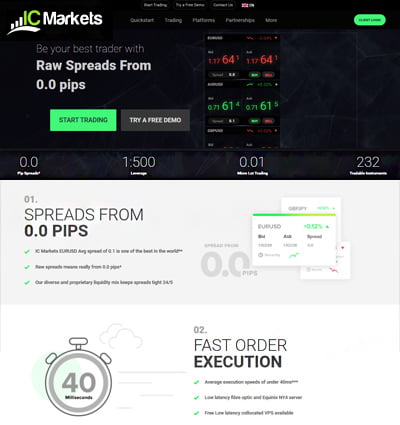
IC Markets offers a high speed trading environment, operating as a Market Maker with tight spreads and ultra fast execution. Traders benefit from access to multiple platforms including MT4, MT5, cTrader, and TradingView. With an average execution speed of 40ms and minimal latency, it’s ideal for those who value efficiency and precision in order processing.
Example: A day trader executing 50 small‐lot trades per day experiences consistent sub‐1 pip spreads on EUR/USD during all major sessions.
Pepperstone
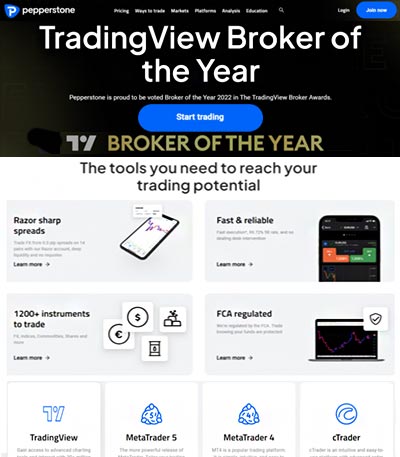
Pepperstone provides a regulated and reliable Market Maker setup with competitive spreads and responsive execution. Known for its strong customer service and robust crypto trading support, Pepperstone is licensed by FCA (UK) and ASIC (Australia), ensuring a secure and well regulated trading experience.
Example: A cryptocurrency trader switches between BTC/USD and ETH/USD seamlessly, benefitting from Pepperstone’s quoted spreads even during high volatility crypto rallies.
RoboForex
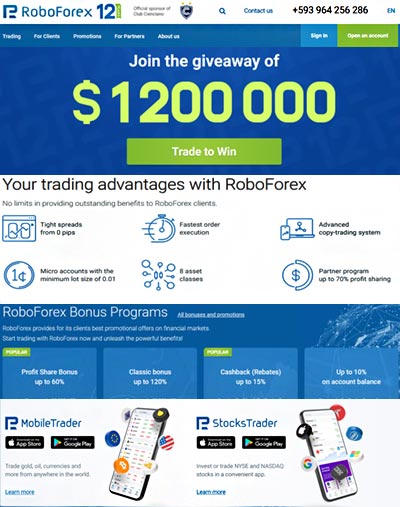
RoboForex operates as a Market Maker offering tight spreads from 0.0 pips and high leverage, making it attractive to risk tolerant traders. It supports platforms like MT4 and MT5, and its automated trading features and crypto asset access stand out. Regulated by the IFSC, RoboForex ensures fast execution and flexible trading options across digital and traditional markets.
Example: A forex robot running on MT4 places scalp trades with 0.0 pip spreads on EUR/GBP, maximizing profit per trade.
AvaTrade
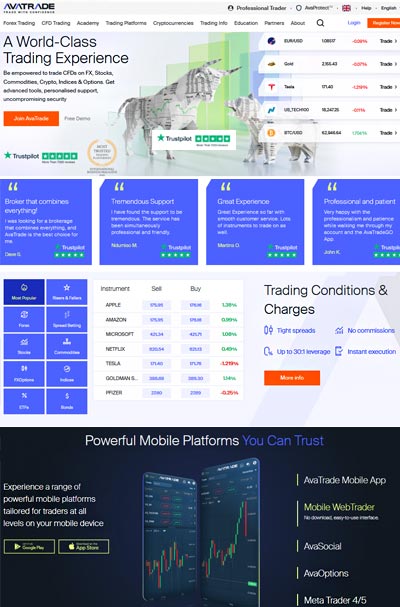
AvaTrade combines a commission free Market Maker model with a strong focus on user experience through platforms like AvaTradeGo and AvaSocial. It offers diverse trading instruments, including cryptocurrencies, and provides multiple funding options. AvaTrade is licensed by ASIC (Australia) and the Central Bank of Ireland, ensuring a secure environment for global traders.
Example: A social trader copies top performers via AvaSocial and pays only the spread no extra fees for copy trading.
XM
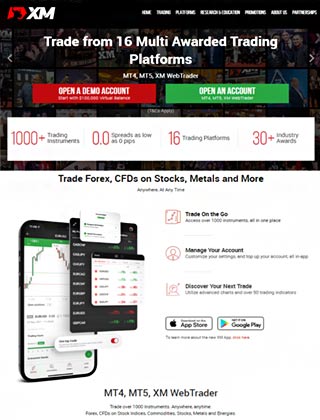
XM offers a well regulated Market Maker platform with fast order execution and a broad range of tradable assets. Known for its strong customer support and flexible account types, XM caters to both new and seasoned traders. With regulation by ASIC, CySEC, and IFSC, it provides a secure and consistent trading experience.
Example: A trader opens a micro account with $5 minimum and accesses 55 currency pairs ideal for learning with low risk.
XTB
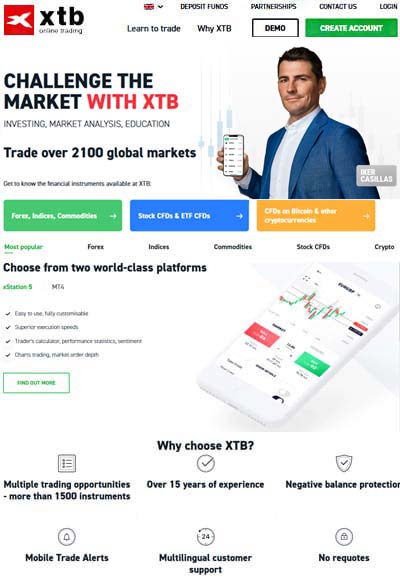
XTB is a reliable Market Maker broker with a strong emphasis on education and research. Its platform delivers extensive market analysis and tools for crypto and traditional markets. Regulated by the FCA (UK) and CySEC (Cyprus), XTB offers a secure environment and is particularly suitable for traders who value insights and informed decision making.
Example: A swing trader uses XTB’s built in economic calendar and technical analysis reports to plan entry and exit points.
FP Markets
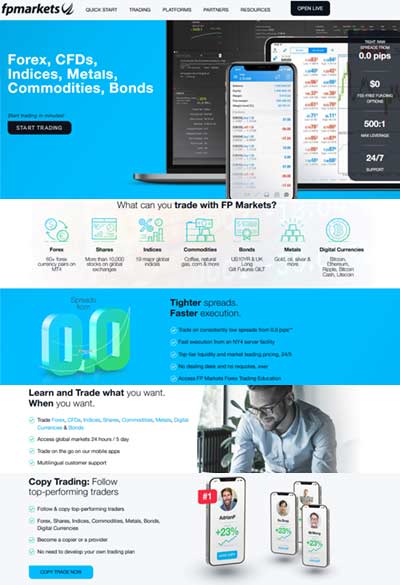
FP Markets delivers a tech driven Market Maker experience with MetaTrader 4 and 5 support, competitive spreads, and fast execution speeds. The broker offers a wide range of assets, including crypto, and is ideal for those seeking performance, versatility, and regulatory security through ASIC and CySEC oversight.
Example: A crypto trader switches between spot and derivatives markets on MT5 without leaving the FP Markets platform.
Note on IC Markets and Pepperstone
While IC Markets and Pepperstone are renowned brokers, they operate under ECN/STP models and are not Market Makers. These brokers route trades directly to liquidity providers and charge commissions on most accounts. They are mentioned here for comparison purposes only, especially for traders deciding between ECN and Market Maker environments.
Advantages of Market Maker Brokers
'Market Maker brokers such as eToro, XTB, and XM often require very low minimum deposits, which significantly lowers the barrier to entry for beginners. As of early 2026, XTB offers a $0 minimum deposit, while XM and RoboForex allow traders to start with as little as $5 to $10. These options make it easier for new participants to test live market conditions with minimal financial risk.'
'Brokers like AvaTrade and XM typically offer predictable trading costs. For example, AvaTrade is frequently cited for its stable spreads and 'AvaProtect' feature, which allows traders to insure specific trades against losses. This consistency helps retail traders manage their budgets, especially during volatile events when variable-spread brokers might see significant price gaps.'
'The user experience is a primary focus for these firms. XTB’s xStation 5 and AvaTrade’s proprietary apps are designed for ease of use, featuring integrated educational 'academies' and 24/7 support. This contrast is often seen when comparing them to highspeed ECN (Electronic Communication Network) brokers like IC Markets or FP Markets, which prioritize raw execution speed and 0.0 pip spreads for advanced scalpers and algorithmic traders.'
Disadvantages of Market Maker Brokers
Potential Conflicts of Interest
Market Maker brokers act as the counterparty to your trades, meaning they profit when you lose and lose when you profit. This setup can create a conflict of interest, especially when large volumes are traded. Although many regulated brokers uphold ethical standards, the model itself raises concerns for some traders.
Example: A large losing streak for a high volume trader could generate significant profit for the broker hence the importance of choosing a well regulated, audited firm.
Possibility of Price Manipulation
Because Market Makers control the pricing environment, there's a risk that they might offer quotes that deviate from interbank rates. In extreme cases, this can lead to stop hunting where price movements are exaggerated to trigger stop loss orders. While not widespread among reputable brokers, it is a potential downside of the model.
Example: Sudden spikes in price on GBP/JPY during Asian session might trigger your tight stops before reverting sharply an indication to verify your broker’s execution policies.
Requotes and Execution Delays
Another common issue with Market Maker brokers is requotes during high volatility. Traders may face execution delays when trying to open or close positions at a specific price, as the broker presents a new quote that must be accepted. This can impact strategy execution, particularly for scalpers or high frequency traders who rely on split second timing.
Example: During a surprise Fed statement, you attempt to buy EUR/USD at 1.0850 but receive a requote at 1.0860, missing your intended entry point.
Case Studies: Successes and Challenges

Market Maker brokers can offer both advantages and challenges depending on the trader’s experience and choice of broker. Below are two real world examples illustrating these points.
Successful Trader: John Doe
John Doe, a novice trader in 2026, utilizes a regulated Market Maker broker to trade major pairs like EUR/USD. He values the commission-free structure and user-friendly interface. For example, John opens a $10,000 position (0.1 lots) at 1.0850. Because Market Makers internalize liquidity, John benefits from instant execution and a simplified cost structure where the 'fee' is built directly into the buy/sell spread, allowing him to manage his capital without calculating separate ticket fees.
Challenges Faced: Jane Smith
Jane Smith attempted the same trade but used an offshore, unregulated broker. She fell victim to slippage and requotes, where the broker refused her order at 1.0850 and forced a fill at 1.0852. Furthermore, she noticed 'stop hunting,' where the broker's internal price feed momentarily spiked to trigger her stop-loss despite the global market remaining stable. Jane’s experience underscores that in 2026, the regulatory status (e.g., ASIC, FCA, or CySEC) is more important than the broker's execution model.
EUR/USD Trade Comparison (Based on $10,000 Position)
Market Maker (Standard Account): John buys EUR/USD with a spread of 1.2 pips. $10,000 times 0.00012 = $1.20$. His total cost is $1.20, with $0 commission.
ECN / Raw Spread Account: Using an ECN broker, John sees a 'raw' spread of 0.2 pips but pays a commission (typically $6 per $100k round turn). Spread cost: $10,000 times 0.00002 = $0.20$. Commission: $0.60. His total cost is $0.80.
While the ECN model is cheaper ($0.80 vs $1.20), Market Makers remain popular for beginners because they often allow smaller minimum deposits and provide more extensive educational resources and 'negative balance protection' which is standard in 2026 regulations.
Market Maker Regulatory Landscape

Market Maker brokers operate under varied regulatory frameworks worldwide, reflecting regional priorities in market fairness and investor protection as of 2026.
United States
Market Makers are regulated by the SEC and FINRA. While Regulation Best Interest (Reg BI) requires brokers to act in the retail customer's best interest, 2025 SEC mandates now specifically target the use of Predictive Data Analytics to ensure AI-driven market making does not prioritize broker profits over client outcomes.
Example: In early 2026, a major U.S. Market Maker reached a settlement with the SEC regarding 'gamification' features in its routing algorithms that were found to violate the Best Interest standard by subtly encouraging high-frequency retail turnover.
European Union
Under the MiFIR Review (often dubbed MiFID III transitions), Market Makers must provide data to the EU Consolidated Tape. This ensures that fragmented liquidity across various execution venues is transparent to all participants.
Example: In Q4 2025, the European Securities and Markets Authority (ESMA) launched the first phase of the equity consolidated tape, forcing Market Makers to harmonize their reporting latency, significantly narrowing spreads for retail investors across the Eurozone.
Australia
The ASIC continues to enforce strict market conduct regulations. Following the 2024 to 2025 review of 'High Frequency Market Making,' ASIC now requires enhanced 'Kill Switch' protocols for all automated market making participants to prevent flash crash scenarios.
Example: In late 2025, ASIC issued a public warning and a $1.5 million infringement notice to a liquidity provider whose malfunctioning algorithm caused a 5 minute liquidity vacuum in several midcap stocks on the ASX.
Russia
The Central Bank of Russia (CBR) has shifted focus toward domestic liquidity resilience. New 2026 guidelines require Market Makers to maintain minimum presence requirements during periods of high volatility to ensure price continuity in the absence of foreign institutional liquidity.
Example: In January 2026, the CBR implemented a 'Liquidity Provider Incentive Scheme' that rewards Market Makers who maintain tight spreads during after hours trading, while penalizing those who withdraw quotes during market stress.
China
The China Securities Regulatory Commission (CSRC) has expanded its Market Maker pilot programs to include the majority of the Beijing Stock Exchange (BSE). Regulations now focus on 'Programmatic Trading Oversight,' requiring deep disclosure of algorithmic logic to prevent 'spoofing'.
Example: In May 2025, the CSRC’s updated 'Measures for the Administration of Programmatic Trading' resulted in a Market Maker being suspended for two weeks for failing to flag high frequency 'quote stuffing' that distorted the Shenzhen Stock Exchange’s price discovery mechanism.

Market Maker Brokers Verdict
Having spent over a decade in the trading world, I’ve learned that understanding your broker’s model is just as important as mastering charts and indicators. Market Maker brokers often dismissed for acting as the counterparty to your trades actually play a crucial role in providing constant liquidity and stable pricing, especially when markets are thin or volatile.
What I appreciate most about reputable Market Makers is their ability to deliver fixed spreads and instant execution. I still remember a major U.S. jobs report day when my order at a fixed 2 pip spread on USD/JPY was filled immediately, while other platforms struggled with widening spreads and delays. That consistency allowed me to focus entirely on my strategy, without fear that costs would spike unexpectedly.
Of course, no model is perfect. Acting as your counterparty does create a theoretical conflict of interest, and I’ve seen less scrupulous firms widen spreads or requote prices during volatile spikes. But after learning to vet regulators, audit reports, and execution statistics, I’ve found brokers like IC Markets, XTB, RoboForex, XM, and FP Markets that balance transparency with the conveniences of fixed spreads and low commissions.
From my own trades, whether scalping EUR/USD or swing trading GBP/JPY, the key lesson has been this: choose a broker whose business practices you trust, understand exactly how they earn from your trades, and build rules around fixed costs and robust risk management. When done right, trading through a well regulated Market Maker can be a smooth, predictable way to grow your account no matter how stormy the markets get.
From my experience, Market Maker brokers offer several advantages, especially for beginners and traders with smaller capital. Their role in providing liquidity and ensuring quick trade execution makes them an accessible and practical choice for many. Some Market Maker brokers even provide negative balance protection, which adds an important layer of safety for new traders. Additionally, technological advancements are increasingly blending the traditional Market Maker and ECN models, with some brokers offering hybrid solutions that combine the best features of both.
However, it is crucial to be aware of potential downsides. Market Makers can present conflicts of interest, as they act as counterparties to your trades. This may sometimes lead to price manipulation or requotes, which can affect trade outcomes. For traders who rely on high frequency trading or demand the tightest spreads and deepest liquidity, alternative broker types like ECN might be better suited.
We have conducted extensive research and analysis on over multiple data points on Market Maker Brokers to present you with a comprehensive guide that can help you find the most suitable Market Maker Brokers. Below we shortlist what we think are the best Market Maker Investment Platforms after careful consideration and evaluation. We hope this list will assist you in making an informed decision when researching Market Maker Brokers.
Reputable Market Maker Brokers Checklist
Selecting a reliable and reputable online Market Maker Investment Platforms trading brokerage involves assessing their track record, regulatory status, customer support, processing times, international presence, and language capabilities. Considering these factors, you can make an informed decision and trade Market Maker Investment Platforms more confidently.
Selecting the right online Market Maker Investment Platforms trading brokerage requires careful consideration of several critical factors. Here are some essential points to keep in mind:
- Ensure your chosen Market Maker Investment Platforms broker has a solid track record of at least two years in the industry.
- Verify that the Market Maker Investment Platforms broker has a customer support team of at least 15 members responsive to queries and concerns.
- Check if the Market Maker Investment Platforms broker operates under the regulatory framework of a jurisdiction that can hold it accountable for any misconduct or resolve disputes fairly and impartially.
- Ensure that the Market Maker Investment Platforms broker can process deposits and withdrawals within two to three days, which is crucial when you need to access your funds quickly.
- Look for Market Maker Investment Platforms brokers with an international presence in multiple countries, offering its clients local seminars and training programs.
- Ensure the Market Maker Investment Platforms broker can hire staff from diverse locations worldwide who can communicate fluently in your local language.
Our team have listed brokers that match your criteria for you below. All brokerage data has been summarised into a comparison table. Scroll down.
Compare Key Features of Market Maker Investment Platforms in Our Brokerage Comparison Table
When choosing a broker for Market Maker Investment Platforms trading, it's essential to compare the different options available to you. Our Market Maker Investment Platforms brokerage comparison table below allows you to compare several important features side by side, making it easier to make an informed choice.
- Minimum deposit requirement for opening an account with each Market Maker Investment Platforms broker.
- The funding methods available for Market Maker Investment Platforms with each broker.
- The types of instruments you can trade with each Market Maker Investment Platforms broker, such as forex, stocks, commodities, and indices.
- The trading platforms each Market Maker Investment Platforms broker provides, including their features, ease of use, and compatibility with your devices.
- The spread type (if applicable) for each Market Maker Investment Platforms broker affects the cost of trading.
- The level of customer support each Market Maker Investment Platforms broker offers, including their availability, responsiveness, and quality of service.
- Whether each Market Maker Investment Platforms broker offers Micro, Standard, VIP, or Islamic accounts to suit your trading style and preferences.
By comparing these essential features, you can choose a Market Maker Investment Platforms broker that best suits your needs and preferences for Market Maker Investment Platforms. Our Market Maker Investment Platforms broker comparison table simplifies the process, allowing you to make a more informed decision.
Top 15 Market Maker Investment Platforms of 2026 compared
Here are the top Market Maker Investment Platforms.
Compare Market Maker Investment Platforms brokers for min deposits, funding, used by, benefits, account types, platforms, and support levels. When searching for a Market Maker Investment Platforms broker, it's crucial to compare several factors to choose the right one for your Market Maker Investment Platforms needs. Our comparison tool allows you to compare the essential features side by side.
All brokers below are Market Maker Investment Platforms. Learn more about what they offer below.
You can scroll left and right on the comparison table below to see more Market Maker Investment Platforms that accept Market Maker Investment Platforms clients.
| Broker |
IC Markets

|
Roboforex

|
eToro

|
XTB
|
XM

|
Pepperstone

|
AvaTrade

|
FP Markets

|
SpreadEx

|
EasyMarkets

|
FXPro

|
|---|---|---|---|---|---|---|---|---|---|---|---|
| Rating | |||||||||||
| Regulation | International Capital Markets Pty Ltd (Australia) (ASIC) Australian Securities & Investments Commission Licence No. 335692, Seychelles Financial Services Authority (FSA) (SD018), IC Markets (EU) Ltd (CySEC) Cyprus Securities and Exchange Commission with License No. 362/18, Capital Markets Authority(CMA) Kenya IC Markets (KE) Ltd, Securities Commission of The Bahamas (SCB) IC Markets (Bahamas) Ltd | RoboForex Ltd is authorised and regulated by the Financial Services Commission (FSC) of Belize under licence No. 000138/32, under the Securities Industry Act 2021, RoboForex Ltd is an (A category) member of The Financial Commission, also RoboForex Ltd is a participant of the Financial Commission Compensation Fund | FCA (Financial Conduct Authority) eToro (UK) Ltd (FCA reference 583263), eToro (Europe) Ltd CySEC (Cyprus Securities Exchange Commission), ASIC (Australian Securities and Investments Commission) eToro AUS Capital Limited ASIC license 491139, CySec (Cyprus Securities and Exchange Commission under the license 109/10), FSAS (Financial Services Authority Seychelles) eToro (Seychelles) Ltd license SD076, eToro (ME) Limited (ADGM) Abu Dhabi (UAE) number 220073, eToro (Europe) Ltd (AMF) Autorité des marchés financiers as a digital assets provider France | FCA (Financial Conduct Authority reference 522157) XTB Limited, CySEC (Cyprus Securities and Exchange Commission reference 169/12), DFSA (Dubai Financial Services Authority XTB MENA Limited licensed 8 July 2021), FSA (Financial Services Authority Seychelles license number SD148), FSCA (Financial Sector Conduct Authority XTB Africa (Pty) Ltd licensed 10 August 2021), KNF (Komisja Nadzoru Finansowego Polish Financial Supervision Authority) | Financial Sector Conduct Authority (FSCA) (49976) XM ZA (Pty) Ltd, Financial Services Commission (FSC) (000261/27) XM Global Limited, Cyprus Securities and Exchange Commission (CySEC) (license 120/10) Trading Point of Financial Instruments Ltd, Australian Securities and Investments Commission (ASIC) (number 443670) Trading Point of Financial Instruments Pty Ltd | Financial Conduct Authority (FCA), Australian Securities and Investments Commission (ASIC), Cyprus Securities and Exchange Commission (CySEC), Federal Financial Supervisory Authority (BaFin), Dubai Financial Services Authority (DFSA), Capital Markets Authority of Kenya (CMA), Pepperstone Markets Limited is incorporated in The Bahamas (number 177174 B), Licensed by the Securities Commission of The Bahamas (SCB) number SIA-F217 | Australian Securities and Investments Commission (ASIC) Ava Capital Markets Australia Pty Ltd (406684), South African Financial Sector Conduct Authority (FSCA) Ava Capital Markets Pty Ltd (45984), Financial Services Agency (Japan FSA) Ava Trade Japan K.K. (1662), Financial Futures Association of Japan (FFAJ) Ava Trade Japan K.K. (1574), Abu Dhabi Global Markets (ADGM) / Financial Regulatory Services Authority (FRSA) Ava Trade Middle East Ltd (190018), Central Bank of Ireland (C53877) AVA Trade EU Ltd, Polish Financial Supervision Authority (KNF) AVA Trade EU Ltd (branch authorisation), British Virgin Islands Financial Services Commission (BVI) Ava Trade Markets Ltd (SIBA/L/13/1049), Israel Securities Authority (ISA) ATrade Ltd (514666577), Financial Superintendence of Colombia (SFC 0261 of 2024), Investment Industry Regulatory Organization of Canada through Friedberg Direct (IIROC) | CySEC (Cyprus Securities and Exchange Commission) (371/18), ASIC AFS (Australian Securities and Investments Commission) (286354), FSP (Financial Sector Conduct Authority in South Africa) (50926), Financial Services Authority Seychelles (FSA) (SD 130) | FCA (Financial Conduct Authority) (190941), Gambling Commission (Great Britain) (8835), licence in Ireland as remote bookmaker for fixed odds betting licence number 1016176 | Easy Forex Trading Ltd is regulated by CySEC (License 079/07). This is the only entity that onboards EU clients. easyMarkets Pty Ltd is regulated by ASIC (AFS License 246566), EF Worldwide Ltd (Seychelles) is regulated by FSA (License SD056), EF Worldwide Ltd (British Virgin Islands) is regulated by FSC (License SIBA/L/20/1135), EF Worldwide (PTY) Ltd is regulated by FSCA (License 54018) | FCA (Financial Conduct Authority) (509956), CySEC (Cyprus Securities and Exchange Commission) (078/07), FSCA (Financial Sector Conduct Authority) (45052), SCB (Securities Commission of The Bahamas) (SIA-F184), FSA (Financial Services Authority of Seychelles) (SD120) |
| Min Deposit | 200 | 10 | 50 | No minimum deposit | 5 | No minimum deposit | 100 | 100 | No minimum deposit | 25 | 100 |
| Funding |
|
|
|
|
|
|
|
|
|
|
|
| Used By | 200,000+ | 730,000+ | 40,000,000+ | 2,000,000+ | 15,000,000+ | 830,000+ | 400,000+ | 200,000+ | 60,000+ | 250,000+ | 11,200,000+ |
| Benefits |
|
|
|
|
|
|
|
|
|
|
|
| Accounts |
|
|
|
|
|
|
|
|
|
|
|
| Platforms | MT5, MT4, MetaTrader WebTrader, Mobile Apps, iOS (App Store), Android (Google Play), MetaTrader iPhone/iPad, MetaTrader Android Google Play, MetaTrader Mac, cTrader, cTrader Web, cTrader iPhone/iPad, cTrader iMac, cTrader Android Google Play, cTrader Automate, cTrader Copy Trading, TradingView, Virtual Private Server, Trading Servers, MT4 Advanced Trading Tools, IC Insights, Trading Central | MT4, MT5, R Mobile Trader, R StocksTrader, WebTrader, Mobile Apps, iOS (App Store), Android (Google Play), Windows | eToro Trading App, Mobile Apps, iOS (App Store), Android (Google Play), CopyTrading, Web | MT4, Mirror Trader, Web Trader, Tablet, Mobile Apps, iOS (App Store), Android (Google Play) | MT5, MT5 WebTrader, XM Apple App for iPhone, XM App for Android Google Play, Tablet: MT5 for iPad, MT5 for Android Google Play, XM App for iPad, XM App for iOS (App Store), Android (Google Play), Mobile Apps | MT4, MT5, cTrader,WebTrader, TradingView, Windows, Mobile Apps, iOS (App Store), Android (Google Play) | MT4, MT5, Web Trading, AvaTrade App, AvaOptions, Mac Trading, AvaSocial, Mobile Apps, iOS (App Store), Android (Google Play) | MT4, MT5, TradingView, cTrader, WebTrader, Mobile Trader, Mobile Apps, iOS (App Store), Android (Google Play) | Web, Mobile Apps, iOS (App Store), Android (Google Play), iPad App, iPhone App, TradingView | easyMarkets App, Mobile Apps, iOS (App Store), Android (Google Play), Web Platform, TradingView, MT4, MT5 | MT4, MT5, cTrader, FxPro WebTrader, FxPro Mobile Apps, iOS (App Store), Android (Google Play) |
| Support |
|
|
|
|
|
|
|
|
|
|
|
| Learn More |
Sign
Up with icmarkets |
Sign
Up with roboforex |
Sign
Up with etoro |
Sign
Up with xtb |
Sign
Up with xm |
Sign
Up with pepperstone |
Sign
Up with avatrade |
Sign
Up with fpmarkets |
Sign
Up with spreadex |
Sign
Up with easymarkets |
Sign
Up with fxpro |
| Risk Warning | Losses can exceed deposits | Losses can exceed deposits | 52% of retail investor accounts lose money when trading CFDs with this provider. | 69% - 80% of retail investor accounts lose money when trading CFDs with this provider. You should consider whether you understand how CFDs work and whether you can afford to take the high risk of losing your money. | CFDs are complex instruments and come with a high risk of losing money rapidly due to leverage. 74.48% of retail investor accounts lose money when trading CFDs with this provider. You should consider whether you understand how CFDs work and whether you can afford to take the high risk of losing your money. | 75-95 % of retail investor accounts lose money when trading CFDs | 57% of retail investor accounts lose money when trading CFDs with this provider | Losses can exceed deposits | 62% of retail CFD accounts lose money | 76% of retail investor accounts lose money when trading CFDs with this provider. | 74% of retail investor accounts lose money when trading CFDs and Spread Betting with this provider |
| Demo |
IC Markets Demo |
Roboforex Demo |
eToro Demo |
XTB Demo |
XM Demo |
Pepperstone Demo |
AvaTrade Demo |
FP Markets Demo |
SpreadEx Demo |
easyMarkets Demo |
FxPro Demo |
| Excluded Countries | US, IR, CA, NZ, JP | AU, BE, BQ, BR, CA, CW, CZ, DE, ES, EE, EU, FM, FR, FI, GW, ID, IR, JP, LR, MP, NL, PF, PL, RU, SE, SJ, SS, SL, SI, TL, TR, DO, US, IT, AT, PT, BG, HR, CY, DK, FL, GR, IE, LV, LT, MT, RO, SK, CH | ZA, ID, IR, KP, BE, CA, JP, SY, TR, IL, BY, AL, MD, MK, RS, GN, CD, SD, SA, ZW, ET, GH, TZ, LY, UG, ZM, BW, RW, TN, SO, NA, TG, SL, LR, GM, DJ, CI, PK, BN, TW, WS, NP, SG, VI, TM, TJ, UZ, LK, TT, HT, MM, BT, MH, MV, MG, MK, KZ, GD, FJ, PT, BB, BM, BS, AG, AI, AW, AX, LB, SV, PY, HN, GT, PR, NI, VG, AN, CN, BZ, DZ, MY, KH, PH, VN, EG, MN, MO, UA, JO, KR, AO, BR, HR, GL, IS, IM, JM, FM, MC, NG, SI, | US, IN, PK, BD, NG , ID, BE, AU | US, CA, IL, IR | AF, AS, AQ, AM, AZ, BY, BE, BZ, BT, BA, BI, CM, CA, CF, TD, CG, CI, ER, GF, PF, GP, GU, GN, GW, GY, HT, VA, IR, IQ, JP, KZ, LB, LR, LY, ML, MQ, YT, MZ, MM, NZ, NI, KP, PS, PR, RE, KN, LC, VC, WS, SO, GS, KR, SS, SD, SR, SY, TJ, TN, TM, TC, US, VU, VG, EH, ES, YE, ZW, ET | BE, BR, KP, NZ, TR, US, CA, SG | US, JP, NZ | US, TR | US, IL, BC, MB, QC, ON, AF, BY, BI, KH, KY, TD, KM, CG, CU, CD, GQ, ER, FJ, GN, GW, HT, IR, IQ, LA, LY, MZ, MM, NI, KP, PW, PA, RU, SO, SS, SD, SY, TT, TM, VU, VE, YE | US, CA, IR |
All Market Maker Investment Platforms in more detail
You can compare Market Maker Investment Platforms ratings, min deposits what the the broker offers, funding methods, platforms, spread types, customer support options, regulation and account types side by side.
We also have an indepth Top Market Maker Investment Platforms for 2026 article further below. You can see it now by clicking here
We have listed top Market Maker Investment Platforms below.
Market Maker Brokers Table of Contents
- Market Maker Brokers Explained
- 6 Factors to Consider when Choosing Market Maker Brokers
- Are Your Market Maker Brokers Trusted And Established?
- Are The Market Maker Brokers World Leading?
- What are the Market Maker Brokers Commissions and Fees?
- What are the Market Maker Brokers Funding and Withdrawl Methods?
- Find Market Maker Brokers with Round-the-clock support?
- Make sure the Market Maker Brokers Offer Comprehensive Trader resources?
- Why Market Maker Brokers needs to be regulated?
- Market Maker Brokers FAQ
- What are the best Market Maker Investment Platforms brokers?
- What is the best Market Maker Investment Platform broker?
- Related Market Maker Brokers Reviews
- Related Market Maker Brokers Alternatives
- Related Market Maker Brokers Comparisons
Market Maker Brokers Explained
Trading volatile financial markets with Market Maker Brokers can be challenging, even for experienced traders. In addition to the online educational resources available, traders should consider the platform offered by Market Maker Brokers to ensure a successful trading experience.
Selecting Market Maker Brokers at the forefront of innovation and considered an industry leader is crucial. Doing so will ensure you are equipped with the tools and features to navigate volatile Market Maker markets effectively.
Reliability is key to gaining access to financial markets. Look for Market Maker Brokers that you can rely on to provide a stable and secure trading environment, allowing you to execute trades with Market Maker Brokers confidently.
6 Factors to Consider when Choosing Market Maker Brokers
Follow these five rules for selecting Market Maker Brokers that are right for you:
Are Your Market Maker Brokers Trusted And Established?
Search for a reputable Market Maker Brokers with a extensive proven track record for Market Maker, enabling you to focus solely on implementing your trading strategy and navigating the markets with confidence. The top rated Market Maker broker is IC Markets. Established in 2007, and in operation for 19 years IC Markets have a head office in Australia.
IC Markets is regulated. This means IC Markets are supervised by and is checked for conduct by International Capital Markets Pty Ltd (Australia) (ASIC) Australian Securities & Investments Commission Licence No. 335692, Seychelles Financial Services Authority (FSA) (SD018), IC Markets (EU) Ltd (CySEC) Cyprus Securities and Exchange Commission with License No. 362/18, Capital Markets Authority(CMA) Kenya IC Markets (KE) Ltd, Securities Commission of The Bahamas (SCB) IC Markets (Bahamas) Ltd regulatory bodies.
Another top rated broker is Roboforex.
Roboforex was established 2009, and in operation for 17 years Roboforex have a head office in Belize.
Roboforex is regulated. This means Roboforex are supervised by and is checked for conduct by International Capital Markets Pty Ltd (Australia) (ASIC) Australian Securities & Investments Commission Licence No. 335692, Seychelles Financial Services Authority (FSA) (SD018), IC Markets (EU) Ltd (CySEC) Cyprus Securities and Exchange Commission with License No. 362/18, Capital Markets Authority(CMA) Kenya IC Markets (KE) Ltd, Securities Commission of The Bahamas (SCB) IC Markets (Bahamas) Ltd regulatory bodies.
| Broker |
IC Markets
|
Roboforex
|
eToro
|
XTB
|
XM
|
Pepperstone
|
AvaTrade
|
FP Markets
|
|---|---|---|---|---|---|---|---|---|
| Year Established | 2007 | 2009 | 2007 | 2002 | 2009 | 2010 | 2006 | 2005 |
| Head Office | Australia | Belize | Cyprus, UK | Poland | Cyprus | Australia | Ireland | Australia |
| Regulation | International Capital Markets Pty Ltd (Australia) (ASIC) Australian Securities & Investments Commission Licence No. 335692, Seychelles Financial Services Authority (FSA) (SD018), IC Markets (EU) Ltd (CySEC) Cyprus Securities and Exchange Commission with License No. 362/18, Capital Markets Authority(CMA) Kenya IC Markets (KE) Ltd, Securities Commission of The Bahamas (SCB) IC Markets (Bahamas) Ltd | RoboForex Ltd is authorised and regulated by the Financial Services Commission (FSC) of Belize under licence No. 000138/32, under the Securities Industry Act 2021, RoboForex Ltd is an (A category) member of The Financial Commission, also RoboForex Ltd is a participant of the Financial Commission Compensation Fund | FCA (Financial Conduct Authority) eToro (UK) Ltd (FCA reference 583263), eToro (Europe) Ltd CySEC (Cyprus Securities Exchange Commission), ASIC (Australian Securities and Investments Commission) eToro AUS Capital Limited ASIC license 491139, CySec (Cyprus Securities and Exchange Commission under the license 109/10), FSAS (Financial Services Authority Seychelles) eToro (Seychelles) Ltd license SD076, eToro (ME) Limited (ADGM) Abu Dhabi (UAE) number 220073, eToro (Europe) Ltd (AMF) Autorité des marchés financiers as a digital assets provider France | FCA (Financial Conduct Authority reference 522157) XTB Limited, CySEC (Cyprus Securities and Exchange Commission reference 169/12), DFSA (Dubai Financial Services Authority XTB MENA Limited licensed 8 July 2021), FSA (Financial Services Authority Seychelles license number SD148), FSCA (Financial Sector Conduct Authority XTB Africa (Pty) Ltd licensed 10 August 2021), KNF (Komisja Nadzoru Finansowego Polish Financial Supervision Authority) | Financial Sector Conduct Authority (FSCA) (49976) XM ZA (Pty) Ltd, Financial Services Commission (FSC) (000261/27) XM Global Limited, Cyprus Securities and Exchange Commission (CySEC) (license 120/10) Trading Point of Financial Instruments Ltd, Australian Securities and Investments Commission (ASIC) (number 443670) Trading Point of Financial Instruments Pty Ltd | Financial Conduct Authority (FCA), Australian Securities and Investments Commission (ASIC), Cyprus Securities and Exchange Commission (CySEC), Federal Financial Supervisory Authority (BaFin), Dubai Financial Services Authority (DFSA), Capital Markets Authority of Kenya (CMA), Pepperstone Markets Limited is incorporated in The Bahamas (number 177174 B), Licensed by the Securities Commission of The Bahamas (SCB) number SIA-F217 | Australian Securities and Investments Commission (ASIC) Ava Capital Markets Australia Pty Ltd (406684), South African Financial Sector Conduct Authority (FSCA) Ava Capital Markets Pty Ltd (45984), Financial Services Agency (Japan FSA) Ava Trade Japan K.K. (1662), Financial Futures Association of Japan (FFAJ) Ava Trade Japan K.K. (1574), Abu Dhabi Global Markets (ADGM) / Financial Regulatory Services Authority (FRSA) Ava Trade Middle East Ltd (190018), Central Bank of Ireland (C53877) AVA Trade EU Ltd, Polish Financial Supervision Authority (KNF) AVA Trade EU Ltd (branch authorisation), British Virgin Islands Financial Services Commission (BVI) Ava Trade Markets Ltd (SIBA/L/13/1049), Israel Securities Authority (ISA) ATrade Ltd (514666577), Financial Superintendence of Colombia (SFC 0261 of 2024), Investment Industry Regulatory Organization of Canada through Friedberg Direct (IIROC) | CySEC (Cyprus Securities and Exchange Commission) (371/18), ASIC AFS (Australian Securities and Investments Commission) (286354), FSP (Financial Sector Conduct Authority in South Africa) (50926), Financial Services Authority Seychelles (FSA) (SD 130) |
| Used By | 200,000+ | 730,000+ | 40,000,000+ | 2,000,000+ | 15,000,000+ | 830,000+ | 400,000+ | 200,000+ |
| Negative balance protection | Yes | Yes | Yes | Yes | Yes | Yes | Yes | Yes |
| Guaranteed Stop Loss | No | No | No | No | No | Yes | No | No |
| Learn More | Visit IC Markets | Visit Roboforex | Visit eToro | Visit XTB | Visit XM | Visit Pepperstone | Visit AvaTrade | Visit FP Markets |
| Risk Warning | Losses can exceed deposits | Losses can exceed deposits | 52% of retail investor accounts lose money when trading CFDs with this provider. | 69% - 80% of retail investor accounts lose money when trading CFDs with this provider. You should consider whether you understand how CFDs work and whether you can afford to take the high risk of losing your money. | CFDs are complex instruments and come with a high risk of losing money rapidly due to leverage. 74.48% of retail investor accounts lose money when trading CFDs with this provider. You should consider whether you understand how CFDs work and whether you can afford to take the high risk of losing your money. | 75-95 % of retail investor accounts lose money when trading CFDs | 57% of retail investor accounts lose money when trading CFDs with this provider | Losses can exceed deposits |
Are The Market Maker Brokers World Leading?
Opt for Market Maker Brokers that set themselves apart as an industry leader by actively embracing innovation. Take IC Markets as an example, which is renowned for Segregates clients funds and boasts an extensive array of 2850 tradable instruments. Moreover, IC Markets caters to the needs of its clients with both an online trading platform and a mobile application, making it incredibly convenient to access the markets from anywhere, at any time.
In addition, the IC Markets platform enables access to a variety of financial markets worldwide. IC Markets is a world-leader when it comes to innovation and they are always looking at ways to improve and to maintain their competitive advantage.
Another good choice when looking for Market Maker Brokers is Roboforex. Roboforex Segregates clients funds and offers over 12000 instruments.
| Broker |
IC Markets
|
Roboforex
|
eToro
|
XTB
|
XM
|
Pepperstone
|
AvaTrade
|
FP Markets
|
|---|---|---|---|---|---|---|---|---|
| Instruments Available | 2850 | 12000 | 7000 | 10900 | 1464 | 2700 | 1250 | 10000 |
| Platforms | MT5, MT4, MetaTrader WebTrader, Mobile Apps, iOS (App Store), Android (Google Play), MetaTrader iPhone/iPad, MetaTrader Android Google Play, MetaTrader Mac, cTrader, cTrader Web, cTrader iPhone/iPad, cTrader iMac, cTrader Android Google Play, cTrader Automate, cTrader Copy Trading, TradingView, Virtual Private Server, Trading Servers, MT4 Advanced Trading Tools, IC Insights, Trading Central | MT4, MT5, R Mobile Trader, R StocksTrader, WebTrader, Mobile Apps, iOS (App Store), Android (Google Play), Windows | eToro Trading App, Mobile Apps, iOS (App Store), Android (Google Play), CopyTrading, Web | MT4, Mirror Trader, Web Trader, Tablet, Mobile Apps, iOS (App Store), Android (Google Play) | MT5, MT5 WebTrader, XM Apple App for iPhone, XM App for Android Google Play, Tablet: MT5 for iPad, MT5 for Android Google Play, XM App for iPad, XM App for iOS (App Store), Android (Google Play), Mobile Apps | MT4, MT5, cTrader,WebTrader, TradingView, Windows, Mobile Apps, iOS (App Store), Android (Google Play) | MT4, MT5, Web Trading, AvaTrade App, AvaOptions, Mac Trading, AvaSocial, Mobile Apps, iOS (App Store), Android (Google Play) | MT4, MT5, TradingView, cTrader, WebTrader, Mobile Trader, Mobile Apps, iOS (App Store), Android (Google Play) |
| Excluded Countries | US, IR, CA, NZ, JP | AU, BE, BQ, BR, CA, CW, CZ, DE, ES, EE, EU, FM, FR, FI, GW, ID, IR, JP, LR, MP, NL, PF, PL, RU, SE, SJ, SS, SL, SI, TL, TR, DO, US, IT, AT, PT, BG, HR, CY, DK, FL, GR, IE, LV, LT, MT, RO, SK, CH | ZA, ID, IR, KP, BE, CA, JP, SY, TR, IL, BY, AL, MD, MK, RS, GN, CD, SD, SA, ZW, ET, GH, TZ, LY, UG, ZM, BW, RW, TN, SO, NA, TG, SL, LR, GM, DJ, CI, PK, BN, TW, WS, NP, SG, VI, TM, TJ, UZ, LK, TT, HT, MM, BT, MH, MV, MG, MK, KZ, GD, FJ, PT, BB, BM, BS, AG, AI, AW, AX, LB, SV, PY, HN, GT, PR, NI, VG, AN, CN, BZ, DZ, MY, KH, PH, VN, EG, MN, MO, UA, JO, KR, AO, BR, HR, GL, IS, IM, JM, FM, MC, NG, SI, | US, AU, CA, JP, KR, KP, SG, MU, IL, TR, IN, PK, BA, ET, UG, CU, SY, BD, NG, ID, BE, LY, MO, KE, YE, VU, GY, CD, CG, AF, LA, MZ, IQ, IR | US, CA, IL, IR | AF, AS, AQ, AM, AZ, BY, BE, BZ, BT, BA, BI, CM, CA, CF, TD, CG, CI, ER, GF, PF, GP, GU, GN, GW, GY, HT, VA, IR, IQ, JP, KZ, LB, LR, LY, ML, MQ, YT, MZ, MM, NZ, NI, KP, PS, PR, RE, KN, LC, VC, WS, SO, GS, KR, SS, SD, SR, SY, TJ, TN, TM, TC, US, VU, VG, EH, ES, YE, ZW, ET | BE, BR, KP, NZ, TR, US, CA, SG | US, JP, NZ |
| Forex pairs offered | 65 | 40 | 65 | 69 | 55 | 93 | 53 | 70 |
| Major forex pairs | Yes | Yes | Yes | Yes | Yes | Yes | Yes | Yes |
| Minor forex pairs | Yes | Yes | Yes | Yes | Yes | Yes | Yes | Yes |
| Exotic forex pairs | Yes | Yes | Yes | Yes | Yes | Yes | Yes | Yes |
| Cryptocurrencies (availability subject to regulation) | Yes | Yes | Yes | No | No | Yes | Yes | Yes |
| Commodities Offered | 28 | 100 | 67 | 27 | 8 | 40 | 19 | 29 |
| Metals | Yes | Yes | Yes | Yes | Yes | Yes | Yes | Yes |
| Energies | Yes | No | Yes | Yes | Yes | Yes | Yes | Yes |
| Agricultural | Yes | No | Yes | Yes | No | Yes | Yes | Yes |
| Stocks Offered | 2100 | 8484 | 7246 | 6617 | 1350 | 1100 | 647 | 10000 |
| UK Shares | Yes | Yes | Yes | Yes | Yes | Yes | Yes | Yes |
| US Shares | Yes | Yes | Yes | Yes | Yes | Yes | Yes | Yes |
| German Shares | Yes | Yes | Yes | Yes | Yes | Yes | Yes | Yes |
| Japanese Shares | Yes | Yes | Yes | Yes | Yes | Yes | Yes | Yes |
What are the Market Maker Brokers Commissions and Fees?
Ensure that your broker is transparent with fees and those dues are competitive.
The best rated Market Maker broker IC Markets offers competitive offers for Forex, CFDs, Spread Betting, Share dealing, Cryptocurrencies. IC Markets minimum deposit is 200.
Another top rated Market Maker broker Roboforex offers Forex, CFDs. Roboforex minimum deposit is 10. Please note that any cryptocurrency availability with any broker is subject to regulation.
| Broker |
IC Markets
|
Roboforex
|
eToro
|
XTB
|
XM
|
Pepperstone
|
AvaTrade
|
FP Markets
|
|---|---|---|---|---|---|---|---|---|
| Min Deposit | 200 | 10 | 50 | 0 | 5 | 0 | 100 | 100 |
| Withdrawl Fees | No | No | Yes | Yes | No | No | No | No |
| Inactivity Fees | No | No | Yes | Yes | Yes | No | Yes | No |
| Deposit Fees | No | No | No | No | No | No | No | No |
| CFD Commission Fees | Yes | No | Yes | Yes | No | Yes | No | Yes |
What are the Market Maker Brokers Funding and Withdrawal Methods?
Efficient and hassle-free funding and withdrawal facilities can significantly improve your overall trading experience when dealing with Market Maker Brokers. It streamlines the trading process and helps you focus on making informed decisions rather than worrying about deposit and withdrawal matters with Market Maker Brokers.
| Broker |
IC Markets
|
Roboforex
|
eToro
|
XTB
|
XM
|
Pepperstone
|
AvaTrade
|
FP Markets
|
|---|---|---|---|---|---|---|---|---|
| Bank transfer | Yes | Yes | Yes | Yes | Yes | Yes | Yes | Yes |
| Credit Cards | Yes | Yes | Yes | Yes | Yes | Yes | Yes | Yes |
| Paypal | Yes | No | Yes | Yes | No | Yes | Yes | Yes |
| Skrill | Yes | No | Yes | Yes | No | Yes | No | Yes |
| Payoneer | No | Yes | No | Yes | No | Yes | Yes | No |
| Neteller | Yes | Yes | Yes | Yes | Yes | Yes | Yes | Yes |
Find Market Maker Brokers with Round-the-clock support?
Effective customer service is an essential factor to consider when dealing with Market Maker Brokers.
Market Maker Brokers customer service entails various support services to aid customers in making the most cost-effective and appropriate use of the brokers' services.
The customer support options offered by Market Maker Brokers can include phone answering services, live chat support, and email customer service support.
IC Markets support a wide range of languages including English, Japanese, Chinese, Polish, Afrikans, Danish, Dutch, German and more
Roboforex support a wide range of languages including English, Chinese Simplified, Chinese Traditional, Indonesian, Malaysian, Portuguese, Spanish, Italian, Polish, Arabic, Thai, Russian, and Ukrainian
IC Markets and Roboforex offer support where clients are able to call or contact the helpdesk via email or a chat service.
| Broker |
IC Markets
|
Roboforex
|
eToro
|
XTB
|
XM
|
Pepperstone
|
AvaTrade
|
FP Markets
|
|---|---|---|---|---|---|---|---|---|
| Support |
|
|
|
|
|
|
|
|
| Languages | English, Japanese, Chinese, Polish, Afrikans, Danish, Dutch, German and more | English, Chinese Simplified, Chinese Traditional, Indonesian, Malaysian, Portuguese, Spanish, Italian, Polish, Arabic, Thai, Russian, and Ukrainian | English, German, Spanish, French, Italian | English, Spanish, Czech, Chinese, German, French, Italian, Polish, Portuguese, Romanian, Slovenian, and Turkish | Arabic, Chinese, English, French, German, Greek, Hindi, Hungarian, Indonesian, Italian, Japanese, Korean, Malay, Polish, Portuguese, Russian, Spanish, Swedish, Thai, and Turkish | English, Spanish, Portuguese, Thai, Russian, Italian, French, German, Polish, Chinese, Vietnamese, and Arabic | Arabic, Simplified Chinese, Traditional Chinese, Dutch, English, Finnish, French, German, Hungarian, Italian, Indonesian, Japanese, Mongolian, Polish, Portuguese, Russian, Spanish, Swedish, Thai, Malay, Korean and Turkish | English, Arabic, Indonesian, Italian, Spanish, French, Russian, Chinese, Japanese, German, Portuguese, Thai, French, Malay, Greek, Vietnamese, Romanian, Turkish, Slovenian, Dutch, Polish, Finnish, Norwegian, Swedish, Serbian, Lithuanian, Hungarian, Galician, Estonian, Danish, Czech, Croatian, Bulgarian, Basque |
| Learn More | Visit IC Markets | Visit Roboforex | Visit eToro | Visit XTB | Visit XM | Visit Pepperstone | Visit AvaTrade | Visit FP Markets |
| Risk Warning | Losses can exceed deposits | Losses can exceed deposits | 52% of retail investor accounts lose money when trading CFDs with this provider. | 69% - 80% of retail investor accounts lose money when trading CFDs with this provider. You should consider whether you understand how CFDs work and whether you can afford to take the high risk of losing your money. | CFDs are complex instruments and come with a high risk of losing money rapidly due to leverage. 74.48% of retail investor accounts lose money when trading CFDs with this provider. You should consider whether you understand how CFDs work and whether you can afford to take the high risk of losing your money. | 75-95 % of retail investor accounts lose money when trading CFDs | 57% of retail investor accounts lose money when trading CFDs with this provider | Losses can exceed deposits |
Make sure the Market Maker Brokers Offer Comprehensive Trader resources?
It's important to ensure your Market Maker Brokers provide complimentary resources such as analysis, education, and risk management tools. IC Markets and Roboforex collaborate with top analysts to bring the most up-to-date news and insights to traders.
Sound risk and money management are vital to financial market navigation with Market Maker Brokers. However, selecting the best broker to access the markets is a critical step that traders should not overlook as they embark on trading live financial markets with Market Maker Brokers.
Why Market Maker Brokers needs to be regulated?
Regulated Market Maker Brokers lowers your risk of loss of deposited trading funds.
Lowering your risk is one of the benefits of working with a properly regulated Market Maker Brokers.
Consumers are protected by Market Maker Brokers regulation, critical to preventing inadequate services and potential financial harm.
Regulation of Market Maker Brokers is necessary to prevent fraud. The Market Maker Brokers working capital and client-funded accounts must be kept separate to avoid conducting business with client funds. Any fraudulent behaviour with Market Maker Brokers is monitored by financial regulators in the jurisdictions brokers are allowed to operate.
Market Maker Brokers List
Funding methods
Bank transfer Credit Card PaypalPlatforms
MT5, MT4, MetaTrader WebTrader, Mobile Apps, iOS (App Store), Android (Google Play), MetaTrader iPhone/iPad, MetaTrader Android Google Play, MetaTrader Mac, cTrader, cTrader Web, cTrader iPhone/iPad, cTrader iMac, cTrader Android Google Play, cTrader Automate, cTrader Copy Trading, TradingView, Virtual Private Server, Trading Servers, MT4 Advanced Trading Tools, IC Insights, Trading CentralCustomer support
Live chat Phone support Email supportAccount Types
Micro account Standard account ECN accountIslamic account VIP account
Funding methods
Bank transfer Credit Card PaypalPlatforms
MT4, MT5, R Mobile Trader, R StocksTrader, WebTrader, Mobile Apps, iOS (App Store), Android (Google Play), WindowsCustomer support
Live chat Phone support Email supportAccount Types
Micro account Standard account ECN accountIslamic account VIP account
eToro is a multi-asset platform which offers both investing in stocks and cryptoassets, as well as trading CFDs.
Please note that CFDs are complex instruments and come with a high risk of losing money rapidly due to leverage. 52% of retail investor accounts lose money when trading CFDs with this provider. You should consider whether you understand how CFDs work, and whether you can afford to take the high risk of losing your money.
This communication is intended for information and educational purposes only and should not be considered investment advice or investment recommendation. Past performance is not an indication of future results.
Copy Trading does not amount to investment advice. The value of your investments may go up or down. Your capital is at risk.
Crypto investments are risky and may not suit retail investors; you could lose your entire investment. Understand the risks here.
Don't invest unless you're prepared to lose all the money you invest. This is a high-risk investment, and you should not expect to be protected if something goes wrong. Take 2 mins to learn more.
eToro USA LLC does not offer CFDs and makes no representation and assumes no liability as to the accuracy or completeness of the content of this publication, which has been prepared by our partner utilizing publicly available non-entity specific information about eToro.
Funding methods
Bank transfer Credit Card PaypalPlatforms
eToro Trading App, Mobile Apps, iOS (App Store), Android (Google Play), CopyTrading, WebCustomer support
Live chat Phone support Email supportAccount Types
Micro account Standard account ECN accountIslamic account VIP account
Funding methods
Bank transfer Credit Card PaypalPlatforms
MT4, Mirror Trader, Web Trader, Tablet, Mobile Apps, iOS (App Store), Android (Google Play)Customer support
Live chat Phone support Email supportAccount Types
Micro account Standard account ECN accountIslamic account VIP account
Funding methods
Bank transfer Credit Card PaypalPlatforms
MT5, MT5 WebTrader, XM Apple App for iPhone, XM App for Android Google Play, Tablet: MT5 for iPad, MT5 for Android Google Play, XM App for iPad, XM App for iOS (App Store), Android (Google Play), Mobile AppsCustomer support
Live chat Phone support Email supportAccount Types
Micro account Standard account ECN accountIslamic account XM Swap-Free account (XM Ultra Low Account) VIP account
Funding methods
Bank transfer Credit Card PaypalPlatforms
MT4, MT5, cTrader,WebTrader, TradingView, Windows, Mobile Apps, iOS (App Store), Android (Google Play)Customer support
Live chat Phone support Email supportAccount Types
Micro account Standard account ECN accountIslamic account Pro Account VIP account
Funding methods
Bank transfer Credit Card PaypalPlatforms
MT4, MT5, Web Trading, AvaTrade App, AvaOptions, Mac Trading, AvaSocial, Mobile Apps, iOS (App Store), Android (Google Play)Customer support
Live chat Phone support Email supportAccount Types
Micro account Standard account ECN accountIslamic account VIP account
Funding methods
Bank transfer Credit Card PaypalPlatforms
MT4, MT5, TradingView, cTrader, WebTrader, Mobile Trader, Mobile Apps, iOS (App Store), Android (Google Play)Customer support
Live chat Phone support Email supportAccount Types
Micro account Standard account ECN accountIslamic account VIP account
Funding methods
Bank transfer Credit Card PaypalPlatforms
Web, Mobile Apps, iOS (App Store), Android (Google Play), iPad App, iPhone App, TradingViewCustomer support
Live chat Phone support Email supportAccount Types
Micro account Standard account ECN accountIslamic account VIP account
Funding methods
Bank transfer Credit Card PaypalPlatforms
easyMarkets App, Mobile Apps, iOS (App Store), Android (Google Play), Web Platform, TradingView, MT4, MT5Customer support
Live chat Phone support Email supportAccount Types
Micro account Standard account ECN accountIslamic account VIP account
Funding methods
Bank transfer Credit Card PaypalPlatforms
MT4, MT5, cTrader, FxPro WebTrader, FxPro Mobile Apps, iOS (App Store), Android (Google Play)Customer support
Live chat Phone support Email supportAccount Types
Micro account Standard account ECN accountIslamic account VIP account

Learn more
Losses can exceed deposits

Losses can exceed deposits