Top Fsb Brokers for 2026
We found 3 online brokers that are appropriate for Trading Fsb.
Best Fsb Brokers Guide
Analysis by Andrew Blumer, Updated Last updated – September 22, 2026
FSB Regulated Brokers

In my experience and understanding, the Financial Sector Conduct Authority (FSCA) is more than just a regulatory body it’s a cornerstone of trust in South Africa’s financial markets. Having followed their work closely since its days as the Financial Services Board (FSB), I’ve seen how the transition strengthened oversight rather than just rebranding it. In recent years, the FSCA has tightened rules around CFD trading, crypto assets, and leverage limits, especially after global volatility events and increased retail participation during 2026.
From what I’ve personally observed, the FSCA has become more proactive with licensing enforcement and public warnings. There have been multiple crackdowns on unlicensed brokers targeting South African traders, and stricter onboarding requirements have been introduced. For example, brokers now often require more detailed KYC verification and clearer risk disclosures before allowing trading. This is particularly important when you consider how easy it is for traders to lose money using leverage for instance, trading a $1,000 account with 1:100 leverage means you’re controlling a $100,000 position, and even a 1% market move can mean a $1,000 gain or loss.
The FSCA’s regulatory scope continues to cover capital markets, derivatives, insurance, and collective investments, but what stands out recently is its increasing focus on consumer education and transparency. I’ve noticed more official warnings published about scam platforms and clearer communication around risks, especially in high risk products like forex and crypto CFDs. South Africa’s economy can be volatile, but having this level of oversight does add a layer of stability for traders.
From my perspective, South African traders benefit significantly from using FSCA regulated brokers. In real trading scenarios, I’ve seen how regulated brokers tend to offer better fund protection measures like segregated accounts and clearer withdrawal processes. For example, withdrawing profits of around $500 to $2,000 from a regulated broker is usually straightforward compared to the delays or refusals often reported with unregulated platforms.
I also believe in combining local regulation with international exposure. Some traders I’ve interacted with use FSCA regulated brokers for core trading while exploring globally regulated platforms for access to instruments like US stocks or commodities. For instance, trading gold might involve price movements from $1,900 to $2,300 per ounce over a cycle, and having access to multiple markets can help capture these opportunities more effectively.
Overall, I firmly believe that by enforcing stricter compliance, adapting to new financial trends like crypto regulation, and increasing transparency, the FSCA continues to play a crucial role in protecting investors and maintaining the trust we rely on in the financial system. From what I’ve seen firsthand, this evolution has made a real difference in how safe and structured the trading environment feels today.
Best FSB Regulated Brokers and What they Offer
Choosing the right broker is essential for a successful trading journey. Below, we explore some of the top FSB regulated brokers and international brokers, detailing the financial instruments they offer and the key features that set them apart.
IC Markets
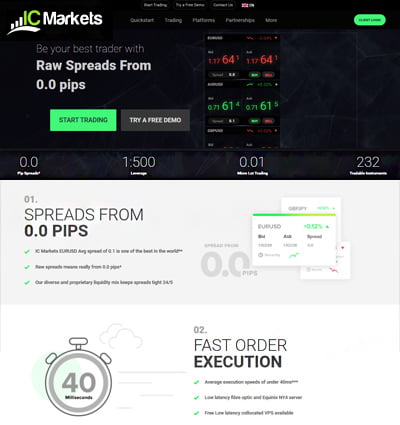
IC Markets is renowned for its low latency execution and tight spreads, making it a preferred choice for scalpers and algorithmic traders. It provides access to a broad range of financial instruments, including Forex, commodities, indices, stocks, bonds, and cryptocurrencies. Traders benefit from multiple platforms such as MT4, MT5, cTrader, and TradingView, ensuring flexibility. Additional features like free low latency VPS hosting and advanced automation tools enhance its appeal to high frequency traders. IC Markets is regulated by ASIC and CySEC, offering a secure and transparent trading environment.
RoboForex
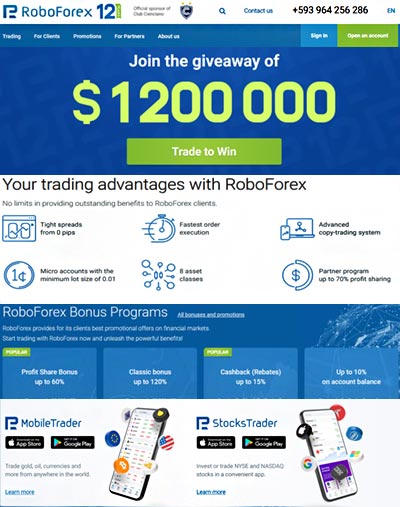
RoboForex stands out for its flexible trading conditions, featuring ultra low spreads and high leverage up to 1:2000. It offers a vast selection of trading instruments, including Forex, commodities, stocks, indices, ETFs, and cryptocurrencies. With support for MT4, MT5, and cTrader, traders can execute strategies efficiently. The broker also provides automated trading options, including Expert Advisors (EAs) and copy trading via CopyFX. While high leverage increases profit potential, it also comes with risks, making risk management essential.
XTB
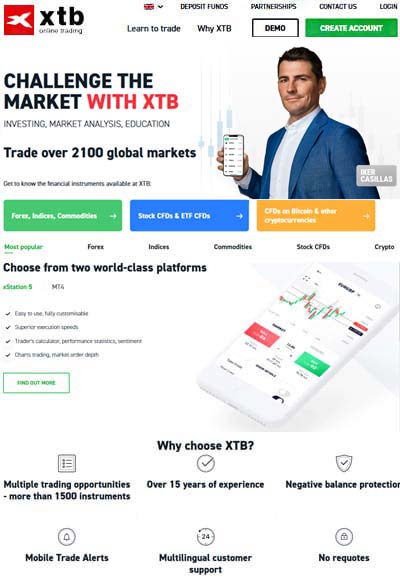
XTB excels in market research and educational resources, catering to traders who rely on fundamental and technical analysis. The platform offers Forex, commodities, indices, stocks, ETFs, and cryptocurrencies. Its proprietary xStation platform provides advanced charting tools and live data. Regulated by the FCA and CySEC, XTB ensures a secure trading environment while maintaining competitive spreads.
XM
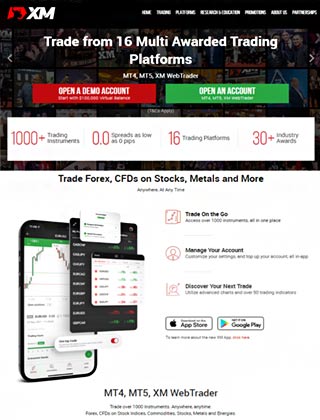
XM is a comprehensive broker offering a range of account types and a wide selection of tradable instruments, including Forex, commodities, indices, stocks, and cryptocurrencies. With competitive spreads and no requote execution, it appeals to traders of all experience levels. Customer support is a strong point, available in multiple languages. XM is regulated by ASIC, CySEC, and the IFSC, providing traders with a high level of regulatory oversight.
Pepperstone

Pepperstone is well known for its tight spreads and ultra fast execution speeds, catering to professional traders and scalpers. The broker offers a diverse range of instruments, including Forex, commodities, indices, and cryptocurrencies. Supported trading platforms include MT4, MT5, and cTrader, ensuring a smooth trading experience. Regulated by the FCA and ASIC, Pepperstone is a reliable option for traders looking for a secure and efficient trading environment.
AvaTrade
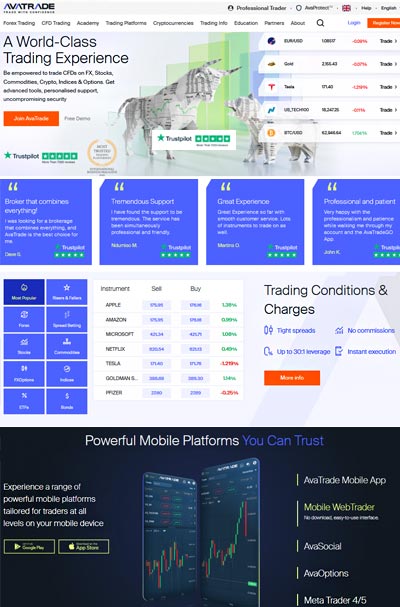
AvaTrade is a versatile broker offering an extensive selection of trading instruments, including Forex, stocks, commodities, indices, ETFs, and cryptocurrencies. Its proprietary AvaTradeGo mobile app and AvaSocial platform allow for seamless trading and social interaction. With a commission free pricing model and strong regulatory oversight, AvaTrade is ideal for traders seeking cost-efficient and community driven trading.
FP Markets
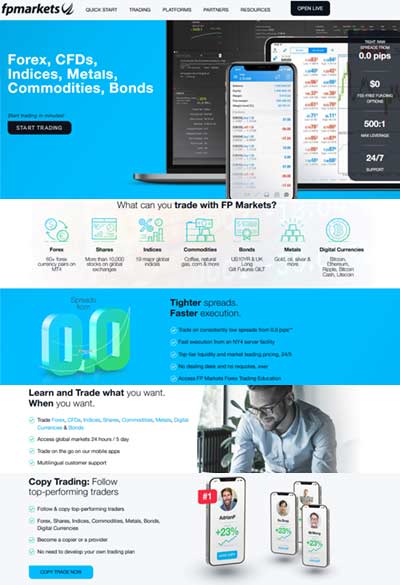
FP Markets integrates advanced trading technology with competitive pricing, providing traders with access to Forex, commodities, indices, stocks, and cryptocurrencies. The broker offers MT4 and MT5 platforms with enhanced features, allowing traders to optimize their strategies. With tight spreads and multiple account options, FP Markets is well suited for both beginners and professionals looking for a cost effective trading experience.
FSCA/FSB Overview and Regulatory Scope
The Financial Sector Conduct Authority (FSCA), which replaced the former Financial Services Board (FSB), regulates a wide range of non banking financial services in South Africa. From my experience following global regulators, the FSCA has become noticeably more proactive in recent years, especially as online trading and crypto related activity have surged. It plays a key role in maintaining stability across capital markets, derivatives trading, insurance, funeral policies, and collective investment schemes. It also supervises financial service providers (FSPs), advisors, and firms offering investment products to retail and institutional clients.
What I have personally noticed, particularly from 2024 through early 2026, is a stronger push from the FSCA toward consumer protection and transparency. There has been increased scrutiny on social media-driven investment schemes, unlicensed forex signal groups, and crypto platforms targeting South African investors. The regulator continues to warn against unrealistic promises like turning R5,000 into R50,000 in days, which I still see frequently promoted online.
Real World Example: In October 2024, I came across a case that really stood out. The FSCA fined Kabelo Emanuel Mogale over R10.1 million (not R1 million) and imposed a 10 year debarment for providing forex trading signals and financial services without proper authorization. Since then, enforcement has only intensified. By 2025 and into 2026, I have seen more warnings issued against Telegram and WhatsApp groups claiming fixed daily profits like R1,000 per day from a R10,000 deposit, which is not sustainable in real market conditions.
In terms of investments, the FSCA has also increased its focus on newer asset classes. While it does not directly regulate cryptocurrencies as legal tender, it classifies crypto assets as financial products under the FAIS Act, requiring licensing for providers. From what I have observed in 2026 market pricing, popular assets being marketed to South African traders include Bitcoin trading around approximately $60,000 to $70,000 per coin and Ethereum around $2,500 to $3,200, with brokers often promoting leveraged CFD exposure rather than direct ownership.
I have also noticed that some platforms still try to attract users by highlighting potential gains, for example suggesting that a R20,000 crypto CFD position could grow to R30,000 or more in a strong market move. However, the FSCA now requires clearer risk disclosures, especially since those same positions can just as easily drop to R10,000 or lower due to volatility and leverage.
What made this case stand out to me is that it was the first time the FSCA took this kind of action specifically against an unlicensed trading signal provider. It really drove home the message that even something as seemingly simple as sending out trading signals falls under regulated financial services in South Africa.
As a retail trader, this hit close to home. I know how many people, especially beginners, rely on signal providers they find online or through social media. I’ve even considered subscribing to a few myself. But this situation made me realize just how risky that can be if those providers aren’t regulated or held accountable.
The FSCA’s decision here isn’t just about one individual, it’s about setting a precedent. It shows they’re serious about protecting people like me, who are just trying to trade responsibly and not get misled by promises of easy profits. It’s also a reminder for all of us in the community to check the credentials of anyone offering financial advice or services.
To me, this case underscored how important regulation is in today’s fast moving trading environment. It gave me more confidence that our local regulators are watching out for retail traders, and it made me more cautious about who I choose to trust with my financial decisions.
FSB's Role in Investor Protection
The FSCA plays a crucial role in safeguarding investors through several key functions. It ensures that financial service providers (FSPs) are properly registered and meet specific requirements before entering the market. Once registered, financial service providers are subject to ongoing supervision and compliance checks, ensuring adherence to regulations. The FSCA also has the authority to enforce regulatory actions, imposing penalties or revoking licenses when necessary. Additionally, its enforcement activities are overseen by specialized bodies such as the FAIS division and the FSCA Enforcement Committee, ensuring fairness and consistency.
Registration and Licensing of FSB Regulated Brokers
The licensing process for FSCA regulated brokers involves several critical steps. Brokers must submit applications through the FAIS eportal, demonstrating compliance with regulatory requirements, including relevant experience, professional qualifications, and successful completion of required examinations. The FSCA conducts a thorough review of each applicant's background, financial stability, and ethical standing before granting a license.

Compliance and Supervision of FSB Regulated Brokers
Once licensed, brokers must maintain ongoing compliance by submitting financial reports and adhering to strict regulatory obligations. The FSCA actively monitors compliance and has the authority to withdraw licenses from brokers who fail to meet industry standards. This rigorous approach ensures that only well-qualified and responsible brokers operate in the market, enhancing investor protection and financial stability.
FSB Enforcement of Regulatory Standards
The FSB's enforcement function plays a crucial role in maintaining the integrity of the financial sector. It has the power to take action against financial service providers who fail to comply with regulations, ranging from imposing financial penalties to revoking licenses. A structured review process ensures that all enforcement decisions are fair and based on a thorough examination of compliance breaches.

Requirements for Obtaining a License with the FSB
To become an FSCA regulated broker, individuals must meet key requirements, including relevant industry experience, recognized qualifications, and successful completion of regulatory examinations. The FSCA ensures that only competent and ethical professionals operate in the financial market.
FSB Regulatory Examinations
To qualify as an FSCA regulated broker, candidates must pass examinations under the Financial Advisory and Intermediary Services (FAIS) Act, 37 of 2002. These include the RE1 (Key Individuals) exam for those managing financial service providers and the RE5 (Representatives) exam for professionals providing financial advice to clients. These exams assess knowledge of compliance and professional conduct and are available in both English and Afrikaans.

Step by Step Guide to the FSB Examination Process
The examination process begins with ensuring eligibility, where candidates must meet the required industry experience based on their financial services category. Preparation is crucial, as candidates need to study for the RE1 and RE5 exams using official study materials. Once prepared, they can register through the FAIS e-portal and sit for the exams. Achieving the required competency levels is necessary to pass. Upon passing, candidates must submit their results to the FSCA as part of the licensing process. Compliance does not stop there, as ongoing education and adherence to regulatory requirements are essential for maintaining an active license.
Benefits of Using an FSB Regulated Broker
Choosing an FSCA regulated broker offers significant advantages for investors seeking security and reliability. These brokers must meet high standards of professionalism and ethical conduct, ensuring compliance with industry regulations. Regular monitoring and enforcement actions protect investors from fraud and malpractice. Additionally, FSCA regulated brokers must stay updated with market regulations, further enhancing their expertise and trustworthiness. The FSCA's robust regulatory framework fosters transparency and financial stability.
How to Verify an FSB Regulated Broker
Investors should take several steps to verify whether a broker is FSCA regulated. They can start by checking the broker's registration on the FSCA's official website using the online verification tool. Reviewing the broker's compliance history is essential, as any past enforcement actions or disciplinary proceedings could indicate potential risks. Ensuring that the broker holds a valid FSCA issued license is another crucial step. Verifying the broker's qualifications and examination records ensures they have met regulatory standards. Additionally, investors should consult consumer feedback to gauge a broker's reputation and service quality. If in doubt, they can contact the FSCA directly for further verification.

FSB Regulated Brokers Verdict
The FSB plays a pivotal role in regulating South Africa's non banking financial sector, ensuring the integrity and reliability of financial services. By enforcing strict registration, compliance, and examination requirements, the FSCA fosters a transparent and stable financial environment. While these regulations impose strict standards on brokers, they enhance investor protection and market confidence.
We have conducted extensive research and analysis on over multiple data points on Fsb Brokers to present you with a comprehensive guide that can help you find the most suitable Fsb Brokers. Below we shortlist what we think are the best fsb brokers after careful consideration and evaluation. We hope this list will assist you in making an informed decision when researching Fsb Brokers.
Reputable Fsb Brokers Checklist
Selecting a reliable and reputable online Fsb trading brokerage involves assessing their track record, regulatory status, customer support, processing times, international presence, and language capabilities. Considering these factors, you can make an informed decision and trade Fsb more confidently.
Selecting the right online Fsb trading brokerage requires careful consideration of several critical factors. Here are some essential points to keep in mind:
- Ensure your chosen Fsb broker has a solid track record of at least two years in the industry.
- Verify that the Fsb broker has a customer support team of at least 15 members responsive to queries and concerns.
- Check if the Fsb broker operates under the regulatory framework of a jurisdiction that can hold it accountable for any misconduct or resolve disputes fairly and impartially.
- Ensure that the Fsb broker can process deposits and withdrawals within two to three days, which is crucial when you need to access your funds quickly.
- Look for Fsb brokers with an international presence in multiple countries, offering its clients local seminars and training programs.
- Ensure the Fsb broker can hire staff from diverse locations worldwide who can communicate fluently in your local language.
Our team have listed brokers that match your criteria for you below. All brokerage data has been summarised into a comparison table. Scroll down.
Compare Key Features of Fsb Brokers in Our Brokerage Comparison Table
When choosing a broker for fsb trading, it's essential to compare the different options available to you. Our fsb brokerage comparison table below allows you to compare several important features side by side, making it easier to make an informed choice.
- Minimum deposit requirement for opening an account with each fsb broker.
- The funding methods available for fsb with each broker.
- The types of instruments you can trade with each fsb broker, such as forex, stocks, commodities, and indices.
- The trading platforms each fsb broker provides, including their features, ease of use, and compatibility with your devices.
- The spread type (if applicable) for each fsb broker affects the cost of trading.
- The level of customer support each fsb broker offers, including their availability, responsiveness, and quality of service.
- Whether each fsb broker offers Micro, Standard, VIP, or Islamic accounts to suit your trading style and preferences.
By comparing these essential features, you can choose a fsb broker that best suits your needs and preferences for fsb. Our fsb broker comparison table simplifies the process, allowing you to make a more informed decision.
Top 15 Fsb Brokers of 2026 compared
Here are the top Fsb Brokers.
Compare fsb brokers for min deposits, funding, used by, benefits, account types, platforms, and support levels. When searching for a fsb broker, it's crucial to compare several factors to choose the right one for your fsb needs. Our comparison tool allows you to compare the essential features side by side.
All brokers below are fsb brokers. Learn more about what they offer below.
You can scroll left and right on the comparison table below to see more fsb brokers that accept fsb clients.
| Broker |
AvaTrade

|
IG

|
ForexTime

|
|---|---|---|---|
| Rating | |||
| Regulation | Australian Securities and Investments Commission (ASIC) Ava Capital Markets Australia Pty Ltd (406684), South African Financial Sector Conduct Authority (FSCA) Ava Capital Markets Pty Ltd (45984), Financial Services Agency (Japan FSA) Ava Trade Japan K.K. (1662), Financial Futures Association of Japan (FFAJ) Ava Trade Japan K.K. (1574), Abu Dhabi Global Markets (ADGM) / Financial Regulatory Services Authority (FRSA) Ava Trade Middle East Ltd (190018), Central Bank of Ireland (C53877) AVA Trade EU Ltd, Polish Financial Supervision Authority (KNF) AVA Trade EU Ltd (branch authorisation), British Virgin Islands Financial Services Commission (BVI) Ava Trade Markets Ltd (SIBA/L/13/1049), Israel Securities Authority (ISA) ATrade Ltd (514666577), Financial Superintendence of Colombia (SFC 0261 of 2024), Investment Industry Regulatory Organization of Canada through Friedberg Direct (IIROC) | FCA (Financial Conduct Authority) (195355) IG Markets Limited, BaFin (German Federal Financial Supervisory Authority), FINMA (Swiss Financial Market Supervisory Authority), DFSA (Dubai Financial Services Authority), FSCA (Financial Sector Conduct Authority, South Africa), MAS (Monetary Authority of Singapore), JFSA (Japanese Financial Services Agency), ASIC (Australian Securities and Investments Commission), FMA (Financial Markets Authority, New Zealand), CFTC (Commodity Futures Trading Commission), BMA (Bermuda Monetary Authority) | CMA (Capital Markets Authority of the Republic of Kenya) (135), FCA (Financial Conduct Authority) (777911), FSC (Financial Services Commission of the Republic of Mauritius) (C113012295), FSCA (Financial Sector Conduct Authority of South Africa) (FSP No. 46614), CySEC (Cyprus Securities and Exchange Commission) (185/12) |
| Min Deposit | 100 | No minimum deposit | 50 |
| Funding |
|
|
|
| Used By | 400,000+ | 313,000+ | 1,000,000+ |
| Benefits |
|
|
|
| Accounts |
|
|
|
| Platforms | MT4, MT5, Web Trading, AvaTrade App, AvaOptions, Mac Trading, AvaSocial, Mobile Apps, iOS (App Store), Android (Google Play) | MT4, ProRealTime, L2 Dealer, Mobile Trading APIs, Web Platform, Mobile Trading, Apple App iOS, Android Google Play | MT4, MT5, Apple App iOS, Android Google Play |
| Support |
|
|
|
| Learn More |
Sign
Up with avatrade |
Sign
Up with ig |
Sign
Up with forextime |
| Risk Warning | 57% of retail investor accounts lose money when trading CFDs with this provider | Spread bets and CFDs are complex instruments and come with a high risk of losing money rapidly due to leverage. 76% of retail investor accounts lose money when trading spread bets and CFDs with this provider. You should consider whether you understand how spread bets and CFDs work, and whether you can afford to take the high risk of losing your money. | CFDs are complex instruments and come with a high risk of losing money rapidly due to leverage. 80% of retail investor accounts lose money when trading CFDs with this provider. You should consider whether you understand how CFDs work and whether you can afford to take the high risk of losing your money. |
| Demo |
AvaTrade Demo |
IG Demo |
ForexTime Demo |
| Excluded Countries | BE, BR, KP, NZ, TR, US, CA, SG | US, BE, FR, IN, IL, PL, ZW | US, JP, CO |
All Fsb brokers in more detail
You can compare Fsb Brokers ratings, min deposits what the the broker offers, funding methods, platforms, spread types, customer support options, regulation and account types side by side.
We also have an indepth Top Fsb Brokers for 2026 article further below. You can see it now by clicking here
We have listed top Fsb brokers below.
Fsb Brokers Table of Contents
- Fsb Brokers Explained
- 6 Factors to Consider when Choosing Fsb Brokers
- Are Your Fsb Brokers Trusted And Established?
- Are The Fsb Brokers World Leading?
- What are the Fsb Brokers Commissions and Fees?
- What are the Fsb Brokers Funding and Withdrawl Methods?
- Find Fsb Brokers with Round-the-clock support?
- Make sure the Fsb Brokers Offer Comprehensive Trader resources?
- Why Fsb Brokers needs to be regulated?
- Fsb Brokers FAQ
- What are the best Fsb brokers?
- What is the best F broker?
- Related Fsb Brokers Reviews
- Related Fsb Brokers Alternatives
- Related Fsb Brokers Comparisons
Fsb Brokers Explained
Trading volatile financial markets with Fsb Brokers can be challenging, even for experienced traders. In addition to the online educational resources available, traders should consider the platform offered by Fsb Brokers to ensure a successful trading experience.
Selecting Fsb Brokers at the forefront of innovation and considered an industry leader is crucial. Doing so will ensure you are equipped with the tools and features to navigate volatile Fsb markets effectively.
Reliability is key to gaining access to financial markets. Look for Fsb Brokers that you can rely on to provide a stable and secure trading environment, allowing you to execute trades with Fsb Brokers confidently.
6 Factors to Consider when Choosing Fsb Brokers
Follow these five rules for selecting Fsb Brokers that are right for you:
Are Your Fsb Brokers Trusted And Established?
Search for a reputable Fsb Brokers with a extensive proven track record for Fsb, enabling you to focus solely on implementing your trading strategy and navigating the markets with confidence. The top rated Fsb broker is AvaTrade. Established in 2006, and in operation for 20 years AvaTrade have a head office in Ireland .
AvaTrade is regulated. This means AvaTrade are supervised by and is checked for conduct by Australian Securities and Investments Commission (ASIC) Ava Capital Markets Australia Pty Ltd (406684), South African Financial Sector Conduct Authority (FSCA) Ava Capital Markets Pty Ltd (45984), Financial Services Agency (Japan FSA) Ava Trade Japan K.K. (1662), Financial Futures Association of Japan (FFAJ) Ava Trade Japan K.K. (1574), Abu Dhabi Global Markets (ADGM) / Financial Regulatory Services Authority (FRSA) Ava Trade Middle East Ltd (190018), Central Bank of Ireland (C53877) AVA Trade EU Ltd, Polish Financial Supervision Authority (KNF) AVA Trade EU Ltd (branch authorisation), British Virgin Islands Financial Services Commission (BVI) Ava Trade Markets Ltd (SIBA/L/13/1049), Israel Securities Authority (ISA) ATrade Ltd (514666577), Financial Superintendence of Colombia (SFC 0261 of 2024), Investment Industry Regulatory Organization of Canada through Friedberg Direct (IIROC) regulatory bodies.
Another top rated broker is IG.
IG was established 1974, and in operation for 52 years IG have a head office in UK.
IG is regulated. This means IG are supervised by and is checked for conduct by Australian Securities and Investments Commission (ASIC) Ava Capital Markets Australia Pty Ltd (406684), South African Financial Sector Conduct Authority (FSCA) Ava Capital Markets Pty Ltd (45984), Financial Services Agency (Japan FSA) Ava Trade Japan K.K. (1662), Financial Futures Association of Japan (FFAJ) Ava Trade Japan K.K. (1574), Abu Dhabi Global Markets (ADGM) / Financial Regulatory Services Authority (FRSA) Ava Trade Middle East Ltd (190018), Central Bank of Ireland (C53877) AVA Trade EU Ltd, Polish Financial Supervision Authority (KNF) AVA Trade EU Ltd (branch authorisation), British Virgin Islands Financial Services Commission (BVI) Ava Trade Markets Ltd (SIBA/L/13/1049), Israel Securities Authority (ISA) ATrade Ltd (514666577), Financial Superintendence of Colombia (SFC 0261 of 2024), Investment Industry Regulatory Organization of Canada through Friedberg Direct (IIROC) regulatory bodies.
| Broker |
AvaTrade
|
IG
|
ForexTime
|
|---|---|---|---|
| Year Established | 2006 | 1974 | 2011 |
| Head Office | Ireland | UK | Limassol(Cyprus), London(UK) and Ebene(Maurtius) |
| Regulation | Australian Securities and Investments Commission (ASIC) Ava Capital Markets Australia Pty Ltd (406684), South African Financial Sector Conduct Authority (FSCA) Ava Capital Markets Pty Ltd (45984), Financial Services Agency (Japan FSA) Ava Trade Japan K.K. (1662), Financial Futures Association of Japan (FFAJ) Ava Trade Japan K.K. (1574), Abu Dhabi Global Markets (ADGM) / Financial Regulatory Services Authority (FRSA) Ava Trade Middle East Ltd (190018), Central Bank of Ireland (C53877) AVA Trade EU Ltd, Polish Financial Supervision Authority (KNF) AVA Trade EU Ltd (branch authorisation), British Virgin Islands Financial Services Commission (BVI) Ava Trade Markets Ltd (SIBA/L/13/1049), Israel Securities Authority (ISA) ATrade Ltd (514666577), Financial Superintendence of Colombia (SFC 0261 of 2024), Investment Industry Regulatory Organization of Canada through Friedberg Direct (IIROC) | FCA (Financial Conduct Authority) (195355) IG Markets Limited, BaFin (German Federal Financial Supervisory Authority), FINMA (Swiss Financial Market Supervisory Authority), DFSA (Dubai Financial Services Authority), FSCA (Financial Sector Conduct Authority, South Africa), MAS (Monetary Authority of Singapore), JFSA (Japanese Financial Services Agency), ASIC (Australian Securities and Investments Commission), FMA (Financial Markets Authority, New Zealand), CFTC (Commodity Futures Trading Commission), BMA (Bermuda Monetary Authority) | CMA (Capital Markets Authority of the Republic of Kenya) (135), FCA (Financial Conduct Authority) (777911), FSC (Financial Services Commission of the Republic of Mauritius) (C113012295), FSCA (Financial Sector Conduct Authority of South Africa) (FSP No. 46614), CySEC (Cyprus Securities and Exchange Commission) (185/12) |
| Used By | 400,000+ | 313,000+ | 1,000,000+ |
| Negative balance protection | Yes | Yes | Yes |
| Guaranteed Stop Loss | No | Yes | No |
| Learn More | Visit AvaTrade | Visit IG | Visit ForexTime |
| Risk Warning | 57% of retail investor accounts lose money when trading CFDs with this provider | Spread bets and CFDs are complex instruments and come with a high risk of losing money rapidly due to leverage. 76% of retail investor accounts lose money when trading spread bets and CFDs with this provider. You should consider whether you understand how spread bets and CFDs work, and whether you can afford to take the high risk of losing your money. | CFDs are complex instruments and come with a high risk of losing money rapidly due to leverage. 80% of retail investor accounts lose money when trading CFDs with this provider. You should consider whether you understand how CFDs work and whether you can afford to take the high risk of losing your money. |
Are The Fsb Brokers World Leading?
Opt for Fsb Brokers that set themselves apart as an industry leader by actively embracing innovation. Take AvaTrade as an example, which is renowned for Segregates clients funds and boasts an extensive array of 1250 tradable instruments. Moreover, AvaTrade caters to the needs of its clients with both an online trading platform and a mobile application, making it incredibly convenient to access the markets from anywhere, at any time.
In addition, the AvaTrade platform enables access to a variety of financial markets worldwide. AvaTrade is a world-leader when it comes to innovation and they are always looking at ways to improve and to maintain their competitive advantage.
Another good choice when looking for Fsb Brokers is IG. IG Segregates clients funds and offers over 19000 instruments.
| Broker |
AvaTrade
|
IG
|
ForexTime
|
|---|---|---|---|
| Instruments Available | 1250 | 19000 | 1000 |
| Platforms | MT4, MT5, Web Trading, AvaTrade App, AvaOptions, Mac Trading, AvaSocial, Mobile Apps, iOS (App Store), Android (Google Play) | MT4, ProRealTime, L2 Dealer, Mobile Trading APIs, Web Platform, Mobile Trading, Apple App iOS, Android Google Play | MT4, MT5, Apple App iOS, Android Google Play |
| Excluded Countries | BE, BR, KP, NZ, TR, US, CA, SG | US, BE, FR, IN, IL, PL, ZW | US, JP, CO |
| Forex pairs offered | 53 | 80 | 60 |
| Major forex pairs | Yes | Yes | Yes |
| Minor forex pairs | Yes | Yes | Yes |
| Exotic forex pairs | Yes | Yes | Yes |
| Cryptocurrencies (availability subject to regulation) | Yes | No | No |
| Commodities Offered | 19 | 35 | 14 |
| Metals | Yes | Yes | Yes |
| Energies | Yes | Yes | No |
| Agricultural | Yes | Yes | No |
| Stocks Offered | 647 | 12000 | 700 |
| UK Shares | Yes | Yes | No |
| US Shares | Yes | Yes | No |
| German Shares | Yes | Yes | No |
| Japanese Shares | Yes | Yes | No |
What are the Fsb Brokers Commissions and Fees?
Ensure that your broker is transparent with fees and those dues are competitive.
The best rated Fsb broker AvaTrade offers competitive offers for Forex, Cryptocurrencies, Commodities, Indices, Stocks, Bonds, Vanilla Options, ETFs, CFDs, Spread Betting, Social Trading. AvaTrade minimum deposit is 100.
Another top rated Fsb broker IG offers Forex, CFDs, Spread Betting, Share dealing. IG minimum deposit is 0. Please note that any cryptocurrency availability with any broker is subject to regulation.
| Broker |
AvaTrade
|
IG
|
ForexTime
|
|---|---|---|---|
| Min Deposit | 100 | 0 | 50 |
| Withdrawl Fees | No | No | No |
| Inactivity Fees | Yes | No | Yes |
| Deposit Fees | No | Varies | No |
| CFD Commission Fees | No | Yes (0.1%) | No |
What are the Fsb Brokers Funding and Withdrawal Methods?
Efficient and hassle-free funding and withdrawal facilities can significantly improve your overall trading experience when dealing with Fsb Brokers. It streamlines the trading process and helps you focus on making informed decisions rather than worrying about deposit and withdrawal matters with Fsb Brokers.
| Broker |
AvaTrade
|
IG
|
ForexTime
|
|---|---|---|---|
| Bank transfer | Yes | Yes | Yes |
| Credit Cards | Yes | Yes | Yes |
| Paypal | Yes | Yes | No |
| Skrill | No | No | No |
| Payoneer | Yes | Yes | Yes |
| Neteller | Yes | No | Yes |
Find Fsb Brokers with Round-the-clock support?
Effective customer service is an essential factor to consider when dealing with Fsb Brokers.
Fsb Brokers customer service entails various support services to aid customers in making the most cost-effective and appropriate use of the brokers' services.
The customer support options offered by Fsb Brokers can include phone answering services, live chat support, and email customer service support.
AvaTrade support a wide range of languages including Arabic, Simplified Chinese, Traditional Chinese, Dutch, English, Finnish, French, German, Hungarian, Italian, Indonesian, Japanese, Mongolian, Polish, Portuguese, Russian, Spanish, Swedish, Thai, Malay, Korean and Turkish
IG support a wide range of languages including English, French, German, Spanish, and Portuguese
AvaTrade and IG offer support where clients are able to call or contact the helpdesk via email or a chat service.
| Broker |
AvaTrade
|
IG
|
ForexTime
|
|---|---|---|---|
| Support |
|
|
|
| Languages | Arabic, Simplified Chinese, Traditional Chinese, Dutch, English, Finnish, French, German, Hungarian, Italian, Indonesian, Japanese, Mongolian, Polish, Portuguese, Russian, Spanish, Swedish, Thai, Malay, Korean and Turkish | English, French, German, Spanish, and Portuguese | Italian, Malay, Polish, Dutch, English, Arabic, Chinese, Czech, Indonesian, Russian, Serbian, Slovak, Spanish, French, German, and Greek |
| Learn More | Visit AvaTrade | Visit IG | Visit ForexTime |
| Risk Warning | 57% of retail investor accounts lose money when trading CFDs with this provider | Spread bets and CFDs are complex instruments and come with a high risk of losing money rapidly due to leverage. 76% of retail investor accounts lose money when trading spread bets and CFDs with this provider. You should consider whether you understand how spread bets and CFDs work, and whether you can afford to take the high risk of losing your money. | CFDs are complex instruments and come with a high risk of losing money rapidly due to leverage. 80% of retail investor accounts lose money when trading CFDs with this provider. You should consider whether you understand how CFDs work and whether you can afford to take the high risk of losing your money. |
Make sure the Fsb Brokers Offer Comprehensive Trader resources?
It's important to ensure your Fsb Brokers provide complimentary resources such as analysis, education, and risk management tools. AvaTrade and IG collaborate with top analysts to bring the most up-to-date news and insights to traders.
Sound risk and money management are vital to financial market navigation with Fsb Brokers. However, selecting the best broker to access the markets is a critical step that traders should not overlook as they embark on trading live financial markets with Fsb Brokers.
Why Fsb Brokers needs to be regulated?
Regulated Fsb Brokers lowers your risk of loss of deposited trading funds.
Lowering your risk is one of the benefits of working with a properly regulated Fsb Brokers.
Consumers are protected by Fsb Brokers regulation, critical to preventing inadequate services and potential financial harm.
Regulation of Fsb Brokers is necessary to prevent fraud. The Fsb Brokers working capital and client-funded accounts must be kept separate to avoid conducting business with client funds. Any fraudulent behaviour with Fsb Brokers is monitored by financial regulators in the jurisdictions brokers are allowed to operate.
Fsb Brokers List
Funding methods
Bank transfer Credit Card PaypalPlatforms
MT4, MT5, Web Trading, AvaTrade App, AvaOptions, Mac Trading, AvaSocial, Mobile Apps, iOS (App Store), Android (Google Play)Customer support
Live chat Phone support Email supportAccount Types
Micro account Standard account ECN accountIslamic account VIP account
Funding methods
Bank transfer Credit Card PaypalPlatforms
MT4, ProRealTime, L2 Dealer, Mobile Trading APIs, Web Platform, Mobile Trading, Apple App iOS, Android Google PlayCustomer support
Live chat Phone support Email supportAccount Types
Micro account Standard account ECN accountIslamic account VIP account
Funding methods
Bank transfer Credit Card PaypalPlatforms
MT4, MT5, Apple App iOS, Android Google PlayCustomer support
Live chat Phone support Email supportAccount Types
Micro account Standard account ECN accountIslamic account VIP account

Learn more
57% of retail investor accounts lose money when trading CFDs with this provider

57% of retail investor accounts lose money when trading CFDs with this provider